
Vandaag of morgen in huis

Kwaliteit gegarandeerd

Welkomstaanbiedingen ontgrendelen: GRATIS bezorging | Tot 80% korting | Gratis 30 dagen JoyPlus-proefperiode
Download de app
Wireless earbuds are useful for music, podcasts, calls, travel and exercise. However, a long list of features does not automatically mean that a model will suit the way you use it. A low price may seem appealing, for example, but an uncomfortable fit or unclear battery figures can quickly lead to disappointment.
As a Joybuy Product Recommendation Officer, I filter the most important information down to practical considerations. Below, you’ll find what to look for in true wireless earbuds, which specifications can be verified and which models suit different use cases.
A claim such as ‘up to 40 or 55 hours’ usually refers to the total play time with the charging case. The play time of the individual earbuds is lower. Active noise cancellation, volume, codec and phone calls also affect the result.
Always check:
For example, the JBL Wave Buds 2 are listed as offering up to 40 hours with ANC switched off. This is more useful information than simply quoting a large total figure without explaining the conditions of use.
Earbuds with noise cancellation use microphones and software to reduce ambient sound. Their performance varies depending on the environment and frequency. Low, constant sounds such as train or aeroplane noise are generally a different scenario from voices or sudden sounds.
Also pay attention to the difference between:
According to the brands’ own information, features such as adaptive ANC and AI noise cancellation can improve the listening or calling experience. Treat this as a product specification, not a guarantee that you will have the same experience in every situation.
An IP rating consists of numbers and letters. IPX4, for example, means protection against splashing water, but not against immersion. IP55 provides protection against dust and water jets under certain conditions. The rating does not always apply to the charging case.
For this reason, do not use earbuds while swimming unless the manufacturer expressly permits it. Dry the earbuds and charging contacts before placing them in the case.
Wireless in-ear earbuds partially seal the ear canal. A good fit helps keep them securely in place and can improve passive sound isolation. Check whether several sizes of silicone ear tips are included. According to the product information, the Apple AirPods Pro 3 come with five sizes of ear tips, while the Bose QuietComfort Ultra Earbuds come with three sizes of ear tips and stability bands.
An open-ear or clip-on model works differently. The Soundcore AeroClip rests around or on the ear and leaves the ear canal open. This can be practical when walking or working, but it also means that your surroundings remain more audible and the listening experience differs from that of a closed in-ear model.
Bluetooth 5.3 or 5.4 mainly indicates the version being used; it is not a direct measure of sound quality. Also look for support for multipoint, the audio codecs used and compatibility with your phone or laptop.
Multipoint is useful if you regularly switch between, for example, a smartphone and a work computer. The Sony WF-C710N states that it can connect to two devices. According to the listed product specifications, the Baseus Bass EP10 Pro supports Bluetooth 5.4 and SBC, AAC and LDAC. However, check whether your source device supports the codec you want to use.
A charging case protects the earbuds and recharges them while you’re out and about. Check the connection, usually USB-C, and consider whether wireless charging is important to you. The Sony WF-C710N is listed as offering up to 30 hours with noise cancellation and up to 40 hours without noise cancellation. The Samsung Galaxy Buds4 Pro is listed as offering 6 hours with ANC, 7 hours without ANC and 26 and 30 hours respectively with the case.
Battery claims depend on how the earbuds are used. High volume, phone calls and active features can reduce the actual running time.
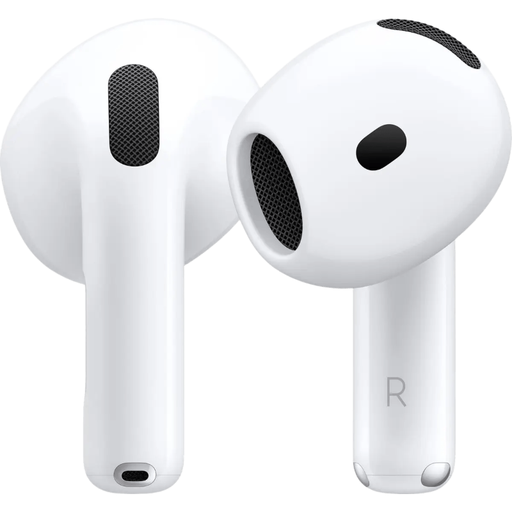
Why it suits this profile: A straightforward model for everyday use, with Bluetooth 5.3, USB-C via the charging case and a stated total battery life of 30 hours.
The product information does not mention active noise cancellation. You therefore won’t pay for a feature you may not need.
USB-C, over 30 hours with the case according to the product specification, and support for spatial audio.
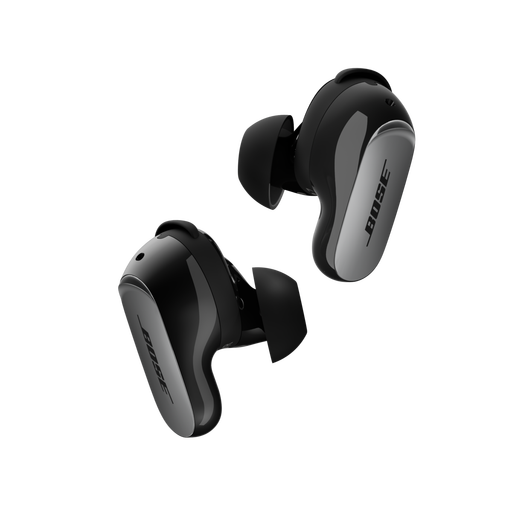
Why it suits this profile: Designed for users who place a high value on active noise cancellation, adjustable sound and wearing comfort while travelling or working.
According to the product description, the case can be charged not only via USB-C but also wirelessly. The stated play time is clearly limited to a maximum of 6 hours per charge.
Bluetooth 5.3, multipoint according to the product information, CustomTune and IPX4 splash resistance.
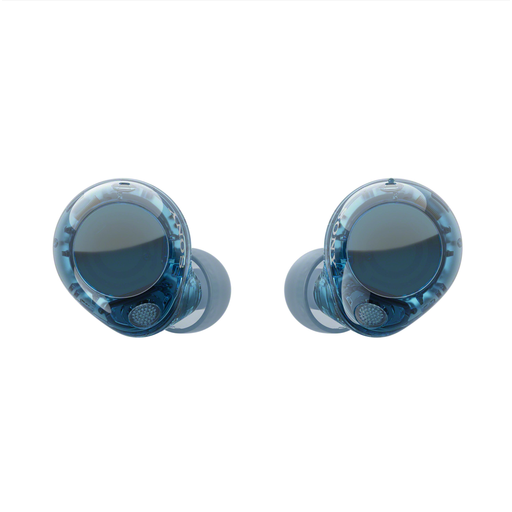
Why it suits this profile: Suitable for commuting, calls and longer listening sessions thanks to ANC, multipoint and a generous stated battery life.
The specifications distinguish between battery life with ANC and without ANC: up to 30 hours versus 40 hours with the case. The IPX4 rating is also clearly stated.
Bluetooth 5.3, AAC and SBC, USB-C, multipoint and fast charging: according to the product information, 5 minutes of charging provides 1 hour of listening.
We’ve put together a complete, up-to-date list of products that fully meet these strict selection criteria and the applicable European safety regulations.
First, charge the earbuds and the charging case. Open the case, activate Bluetooth on your phone and select the product name from the list of available devices. A button on the case may be required when pairing for the first time. Consult the manual if the earbuds do not appear. If necessary, remove an old pairing and try again.
Battery capacity decreases over time, as it does with other devices containing a lithium battery. The usage time per charge depends on volume, ANC, calls and codec. Store the earbuds in the case, avoid extreme heat and use a suitable USB-C charger. Do not replace a damaged or unusually hot battery yourself.
That depends on the activity. For running outdoors, a transparency mode or open-ear model can help you remain aware of surrounding sounds. ANC can be useful for indoor fitness. Always check the IP rating, keep the case dry and do not use noise cancellation when you need to hear traffic or warning sounds clearly.
