
Vandaag of morgen in huis

Kwaliteit gegarandeerd

Welkomstaanbiedingen ontgrendelen: GRATIS bezorging | Tot 80% korting | Gratis 30 dagen JoyPlus-proefperiode
Download de app
Wireless earbuds are handy for music, podcasts, calls, travel and exercise. However, a long list of features doesn’t automatically mean a model will suit your everyday needs. A low price may look tempting, for example, but the comfort, microphones or moisture protection might disappoint.
Use these checkpoints to compare Bluetooth earbuds, true wireless earbuds and wireless headphones based on the features that make a difference in everyday use.
Manufacturers often quote listening time including the charging case. That’s not the same as the battery life of a single charge. The Samsung Galaxy Buds4 Pro, for example, are listed as offering up to 6 hours with ANC on and 7 hours with ANC off, with a total of 26 to 30 hours using the case.
So always check:
A model offering 10 hours per charge may be more practical for long working days, while a compact model with a smaller battery may be more comfortable for commuting.
IPX4, IPX5, IP55 and IP57 don’t mean earbuds are suitable for swimming. The rating indicates the type of dust or moisture a product is protected against under certain conditions.
Examples:
Check the case too. For many wireless earbuds, the case is less well protected than the earbuds themselves. Dry the earbuds and case before putting them back and charging them.
ANC earbuds use microphones and electronics to reduce background noise. According to brands’ own information, models can differ in how they adapt to their surroundings. ANC generally works differently against constant low-level noise, such as train or aircraft noise, than it does against voices or sudden sounds.
So don’t focus only on a figure such as “50 dB”. Also look for:
In-ear earbuds partially seal the ear and often stay in place better when you move. The right fit is important for comfort and sound isolation. Check whether different sizes of ear tips or stability fins are included.
If you want to remain aware of your surroundings, an open-ear model may be an alternative. These models usually offer less sound isolation. You could also browse the range of ear-hook headphones.
Bluetooth 5.3, 5.4 or 6.1 mainly tells you about the wireless standard; it doesn’t guarantee better sound. Also check that the model works with your smartphone and whether extra features depend on Android, iOS or a brand’s app.
Multipoint or dual-device connectivity is useful if you switch between a laptop and phone. Codecs such as AAC, SBC or LHDC may affect sound quality, but both devices need to support the codec.
If you often use your earbuds for meetings or phone calls, check the number of microphones, wind-noise reduction and microphone placement. Claims about “AI noise cancellation” come from the brand’s product description; your experience may vary depending on the wind, traffic and distance from your phone.
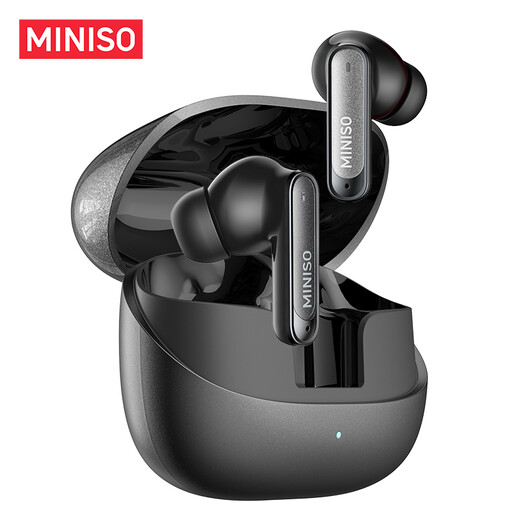
Why it suits this profile: This model combines TWS connectivity with a lightweight design and features for music, studying and phone calls. According to the product description, each earbud weighs 3.9 grams.
The product specifications list both battery life and IPX5, as well as six microphones. This means you can check these features in advance rather than choosing based on price alone.
10mm dynamic driver, IPX5 rating and, according to the product description, up to 55 hours with the case.
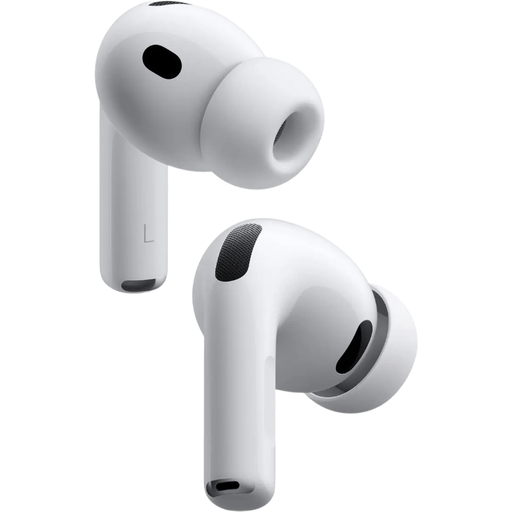
Why it suits this profile: A good fit for Apple ecosystem users who value ANC, spatial audio and a choice of fit options.
The product information lists five sizes of silicone ear tips. This helps you assess the fit rather than focusing only on ANC terminology.
Bluetooth 5.3, active noise cancellation, IP57 according to the product specifications, and up to 8 hours of battery life with ANC.

Why it suits this profile: Designed for travellers and people working from home who value adjustable noise cancellation, fast charging and call quality.
According to Soundcore’s own information, the noise cancellation regularly adapts to your surroundings. The case also has a display for controls and checking settings.
According to the product description, up to 10 hours per charge, 40 hours with the case, and 5 minutes of charging for up to 4 hours of playback.

Why it suits this profile: A natural choice for users who want to combine Galaxy features, adjustable audio and wireless charging within the same ecosystem.
The specifications list battery life separately with ANC on and off, as well as IP57. This gives you a clearer idea of what to expect in different situations.
2-way speaker system, six microphones, Bluetooth 6.1, wireless charging and, according to the product specifications, 30 hours in total without ANC.
We’ve put together a complete, up-to-date list of products that meet these strict selection criteria and the applicable European safety regulations.
First, charge the earbuds, open your smartphone’s Bluetooth settings and select the product name. Many models start pairing automatically when you open the case. If that doesn’t work, remove any previous Bluetooth pairing and follow the manufacturer’s instructions.
Battery life per charge often ranges from a few hours to around 10 hours, depending on volume, codec and ANC. Total battery life with the case is longer. The earbuds’ physical lifespan depends on charging cycles, cleaning, moisture and storage. Keep them dry and don’t charge them if the contacts are wet.
No. A more expensive model may offer extra features such as ANC, spatial audio, multipoint or wireless charging. If you mainly listen to podcasts on the go, basic Bluetooth earbuds may be enough. For calls, exercise or travel, fit, microphones, battery life and IP rating are often more important than the brand alone.
