
Vandaag of morgen in huis

Kwaliteit gegarandeerd

Welkomstaanbiedingen ontgrendelen: GRATIS bezorging | Tot 80% korting | Gratis 30 dagen JoyPlus-proefperiode
Download de app
Wireless earbuds are handy for music, podcasts, films and phone calls. However, a long list of features does not automatically mean that a model will suit your everyday use. A compact set may seem comfortable, for example, but start to feel uncomfortable after an hour. A model with active noise cancellation may be ideal on the train, but less suitable when you still need to hear traffic or colleagues.
As a Joybuy Product Recommendation Officer, I therefore focus mainly on verifiable specifications, wearing style and usage scenario. Below, you’ll find the main pitfalls, technical points and some suitable choices for different types of user.
Manufacturers often quote the total battery life including the charging case. A model advertised as offering “40 hours” may provide around 8 to 10 hours per charge, after which the case needs to recharge the earbuds. Always check:
According to the product information, the JBL Wave Buds 2 offer up to 40 hours of total playback when ANC is switched off. The JBL Wave Flex 2 also states up to 40 hours, with around 10 hours per charge and additional charges via the case. The difference between everyday use and the marketing figure can therefore be considerable.
ANC, or active noise cancellation, uses microphones and electronic processing to reduce background noise. Its effectiveness varies depending on the shape of your ears, the fit and your surroundings. Low, consistent sounds such as train or aeroplane engines are generally a different scenario from voices or sudden noises.
Also note the difference between:
An open design, such as open-ear earbuds, helps you stay more aware of your surroundings, but usually provides less isolation from traffic or office noise. According to the product information, the Baseus Bass EP10 Pro has adaptive hybrid ANC with a quoted value of -50 dB. Treat this as a product specification, not a universal guarantee that every ear will deliver the same experience.
The IP code is a standardised classification for protection against dust and water. The first digit relates to solid particles; the second relates to water. IPX4, for example, means protection against splashing water, not immersion.
For everyday use, these differences are relevant:
Dry the earbuds and charging contacts before storing or charging them. Also check whether the charging case has the same IP rating as the earbuds. This is not always the case.
In-ear Bluetooth earbuds partially seal the ear and often stay securely in place with different sizes of silicone ear tips. Half-in-ear models feel more open, but do not suit every ear shape. Clip-on and earhook models may be worth considering for sport because they provide extra stability.
For cycling and running, sports earbuds with an ear hook or open design are practical. According to the product information, the Verbex K08 uses an earhook shape and bone-conduction design. With open models, surrounding sounds remain easier to hear. Do not use earbuds in situations where you need your full attention for traffic or machinery.
Bluetooth 5.3, 5.4 or 6.0 mainly indicates the connection standard; it does not, by itself, determine sound quality. Also look at:
A multipoint connection is useful if you switch between a laptop and smartphone during the day. However, check that both devices support this feature and whether the manufacturer requires an app to use it.
If you make frequent calls, multiple microphones and wind-noise processing are more useful than simply having a large speaker driver. Product listings may mention features such as AI noise cancellation or an array of four or six microphones. According to the brands’ own product information, these features are designed to support calls in noisy environments. The final call clarity also depends on wind, network connection, positioning and the phone being used.
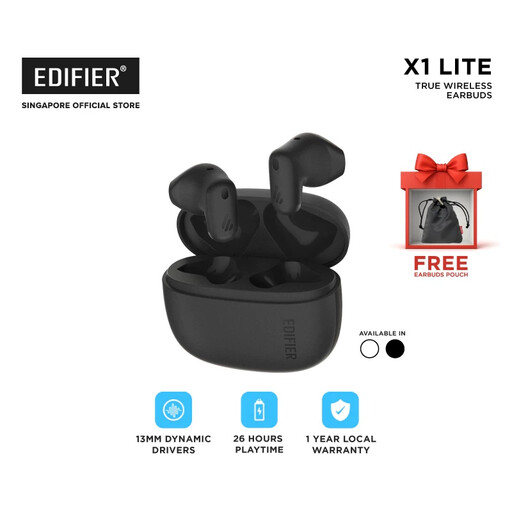
Why it suits this profile: A lightweight true wireless set for everyday listening, video and calls, without committing straight away to a feature-rich premium model.
The product information states 4 grams per earbud, IP54 and support for fast charging. When buying, check the exact battery split between the earbuds and the case.
Bluetooth 5.4, low latency, an AI call feature according to the product information, and control via the EDIFIER ConneX app.

Why it suits this profile: Designed for users who place great value on ANC, adjustable sound, spatial audio and integration with Galaxy devices.
The product specifications state separate playback times with ANC switched on and off. This makes it easier to compare the battery claim with your own usage.
2-way speaker system, six microphones, IP57 rating, USB-C and wireless charging according to the product information.
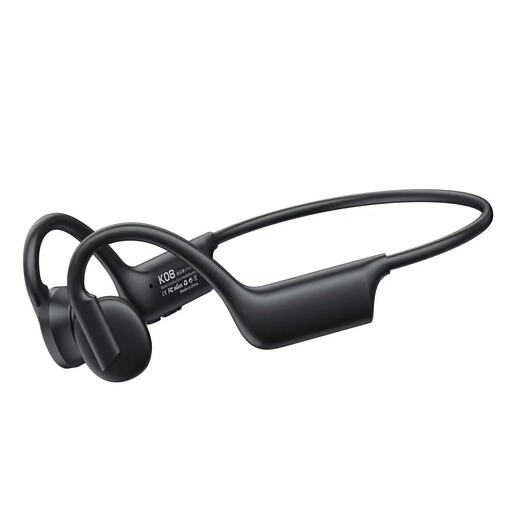
Why it suits this profile: An option for cycling, running or walking when you want to remain aware of surrounding sounds and do not want a sealed in-ear fit.
The open earhook design means you do not rely solely on passive isolation. The listing states a wireless range of 10 metres or more.
Bluetooth, calling function, multipoint connection and up to 8 hours of battery life according to the product information.
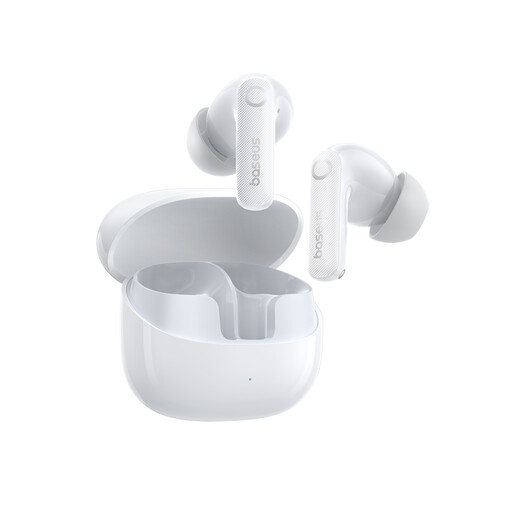
Why it suits this profile: Suitable for anyone looking for a combination of ANC, long listening sessions and support for multiple audio codecs.
The specifications quote up to 11 hours of playback at 50% volume. The listing therefore makes clear the conditions under which the battery claim applies.
Bluetooth 5.4, SBC/AAC/LDAC, USB-C, IP55 splash resistance and six microphones according to the product information.
We have put together a complete, up-to-date list of products that fully meet these strict selection criteria and the applicable European safety regulations.
Open the charging case, activate Bluetooth on your smartphone and select the earbuds’ name from the list of available devices. With some models, you first need to press a button on the case. If pairing does not work, remove the old Bluetooth connection and charge both earbuds sufficiently.
The battery capacity of lithium-ion batteries gradually decreases over time. Therefore, do not store the earbuds for long periods in heat or damp conditions, and use a suitable USB-C charger. Practical battery life depends on charging frequency, temperature, volume and the quality of the charging case. Replace a set when the playback time no longer meets your needs.
ANC earbuds can reduce surrounding noise and are therefore not always suitable for cycling on public roads. Open-ear earbuds let more surrounding sound through, but they are no substitute for staying alert. Always follow the Highway Code and do not use earbuds when you cannot adequately perceive your surroundings.
