
Vandaag of morgen in huis

Kwaliteit gegarandeerd

Welkomstaanbiedingen ontgrendelen: GRATIS bezorging | Tot 80% korting | Gratis 30 dagen JoyPlus-proefperiode
Download de app
Wireless earbuds are useful for commuting, working from home, studying and exercising. However, a long list of features does not automatically mean that a model is right for the way you use it. A high battery-life claim, for example, may only apply with certain settings, while a water-resistant case may not be suitable for swimming.
The Joybuy Product Recommendation Officer therefore encourages you to focus on specifications that can be checked. This helps you avoid paying for features you will hardly ever use.
Manufacturers often state the total playback time including the charging case. This is different from the playback time of a single earbud per charge. Active noise cancellation, high volume and phone calls can also reduce battery life.
Always check:
For example, a model with 40 hours of total playback time may offer 8 to 10 hours per charge in practice. That is still useful, but the figures need to be interpreted correctly.
Active noise cancellation, or ANC, uses electronics to reduce ambient noise. Its effectiveness can vary depending on the environment. Low, constant sounds such as train or aeroplane noise are generally a different scenario from voices or sudden sounds.
With passive sound isolation, the earbuds physically seal the ear canal. Open-ear earbuds and bone-conduction models allow more ambient sound through. This can be practical when walking or cycling, but less suitable when you want complete isolation.
Claims such as “up to -50 dB” or “blocks 99.7% of ambient noise” are brand specifications. According to the brand’s own research, the measurement method and conditions may vary. Treat such figures as an indication rather than a guarantee for every situation.
The IP code indicates the types of dust and moisture against which a product is protected according to its stated classification. IPX4, for example, is intended to protect against splashing water, while IPX5 indicates protection against water jets. Neither rating automatically means that you can submerge the earbuds.
Also pay attention to the difference between the earbuds and the charging case. The JBL Wave Buds 2, for example, have an IP54 rating for the earbuds and IPX2 for the case. The case therefore requires more protection from rain and moisture.
For everyday use, weight, fit and the shape of the housing are more important than a long list of features. In-ear true wireless earbuds often provide a better seal, but not everyone finds silicone ear tips comfortable. Half-in-ear models feel more open, while clip-on and ear-hook designs can provide extra support.
For sport, look for:
Do not use earbuds in situations where you need to hear traffic noise or warnings clearly. Open-ear earbuds are no substitute for paying attention in traffic either.
Bluetooth 5.3, 5.4 or 6.0 provides information about the Bluetooth version being used, but it does not tell you everything about the connection experience. Also check the range, compatibility and whether multipoint is supported.
For earbuds with a microphone, the number of microphones and the way noise is processed are relevant details. A model with four or six microphones may be suitable for calls, but speech clarity also depends on wind, traffic, the position of the microphones and the software being used. Claims about “clear calls” come from the brand’s product information and are not a guarantee for every environment.
If you travel frequently, you will benefit from earbuds with long battery life and a charging case with USB-C. Also check the supported audio codecs. The Baseus Bass EP10 Pro, for example, lists SBC, AAC and LDAC, while not every smartphone or source supports every format.
A fast-charging function can be useful if you often forget to charge your earbuds. Check how many minutes of charging provide how much additional playback time. A charging case with a digital display makes the remaining battery level easier to see, but it does not automatically add extra usage time.
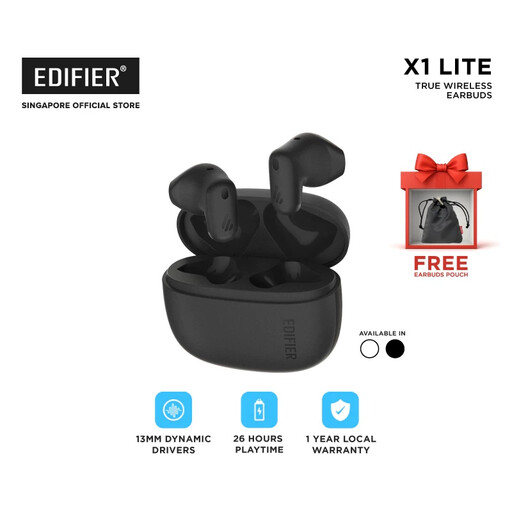
Why it suits this profile: A straightforward TWS model for music, podcasts and everyday calls, without immediately paying for extensive premium features.
The product specification states 7 hours per charge and 19 hours via the case, so the battery claim is not presented solely as one overall figure.
Bluetooth 5.4, IP54 according to the product specification, 13 mm drivers and 60 ms low latency.

Why it suits this profile: Designed for users who value ANC, extensive controls and integration with Galaxy devices.
The stated playback time is broken down into 6 hours with ANC and 7 hours without ANC, with separate totals for the charging case.
Two-way speakers, six microphones, Bluetooth 6.1, IP57 and wireless charging according to the product information.
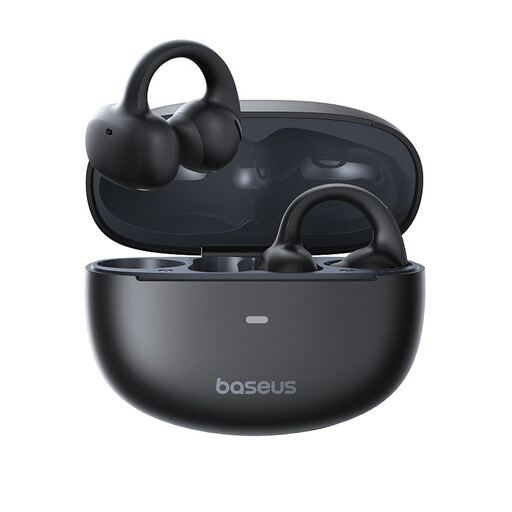
Why it suits this profile: An open-ear design for people who want to stay more aware of their surroundings while walking, working or travelling.
The product information clearly states that this model is not water-resistant. This helps you avoid using an open-ear model incorrectly in the rain or during intensive exercise.
Bluetooth 5.4, a range of 10 metres in open environments, clip design and USB-C charging port.
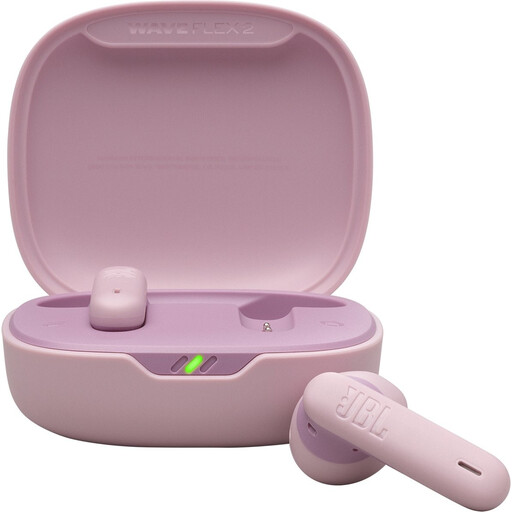
Why it suits this profile: The half-in-ear fit and microphones make this model appealing for everyday listening and phone calls.
JBL lists a separate playback time of 10 hours and an additional 30 hours via the case. The IP54 classification is also more specific than simply describing the product as “water-resistant”.
According to JBL, this model has four microphones, multipoint connectivity and support for the JBL Headphones app.
We have put together a complete, up-to-date list of products that fully meet these strict selection criteria and the applicable European safety regulations.
Open the charging case, activate Bluetooth on your phone and select the name of the earbuds from the list. Some models display a pairing window automatically. If that does not work, place the earbuds back in the case and press and hold the pairing button or touch surface as instructed in the manual.
Battery capacity decreases over time, particularly when the earbuds are frequently allowed to run completely flat or exposed to heat. Store them in the charging case, use a suitable USB-C charger and do not charge them in a damp environment. Total usage time varies by model and depends on volume, ANC and phone use.
Yes, many models combine music playback with a built-in microphone. For regular calls, the number of microphones, noise processing and microphone placement are important. Also check whether the fit remains comfortable during longer conversations.
