
Vandaag of morgen in huis

Kwaliteit gegarandeerd

Welkomstaanbiedingen ontgrendelen: GRATIS bezorging | Tot 80% korting | Gratis 30 dagen JoyPlus-proefperiode
Download de app
Wireless earbuds are useful for listening to music, making calls, travelling, exercising and gaming. However, a long list of specifications does not automatically mean that a model will suit the way you use it. A low price may seem attractive, for example, but an uncomfortable fit, limited battery life or unclear water-resistance rating can become irritating later on.
As a Joybuy Product Recommendation Officer, I therefore start by looking at verifiable features: the wearing style, battery, Bluetooth connection, IP rating and the functions you actually need.
Packaging may quote a long total playtime, but this figure often includes several recharges from the case. So look at two key values:
Noise cancelling also affects battery life. With some models, battery life is shorter when active noise cancellation is switched on than when it is switched off.
An IPX4 rating generally means protection against splashes, sweat and light rain. This makes these earbuds suitable for everyday use or a workout, but not for swimming or submersion.
For swimming, you need a model whose manufacturer states a suitable rating and method of use. Also check whether the charging port must be completely dry before you connect the earbuds. A product with a water-resistant housing is not automatically suitable for every water-sports scenario.
In-ear earbuds seal the ear canal and can therefore help with sound isolation. However, they are not comfortable for every ear. Open-ear earbuds and clip-on models leave the ear canal open, but they also let in more surrounding sound.
That can be useful in the office, while walking or when exercising in an environment where you want to stay alert. For train journeys or busy flights, noise-cancelling earbuds generally provide a different listening experience. Also pay attention to safety advice: do not use headphones while cycling, driving or carrying out tasks where hearing surrounding sounds is important.
Start by choosing the design:
Check whether several ear tips or attachment options are included. A good fit means you will not need to keep adjusting the earbuds and can improve speech clarity during calls.
Bluetooth 5.3 or 5.4 provides information about the connection standard, but not about sound quality on its own. Check that the model works with your phone, tablet, laptop or console. Multipoint is useful if, for example, you want to connect to a phone and laptop at the same time.
For PS5 users, a standard Bluetooth connection is not always sufficient. The Sony PULSE Explore uses PlayStation Link for compatible devices such as PS5, PC, Mac and PlayStation Portal. Check in advance which adapter or connection your setup requires.
Do not compare marketing terms alone; look at specific details:
Claims about noise cancellation, call quality or AI features come from the product information provided by the brand or seller. Treat them as product specifications, not as a guaranteed result in every environment.
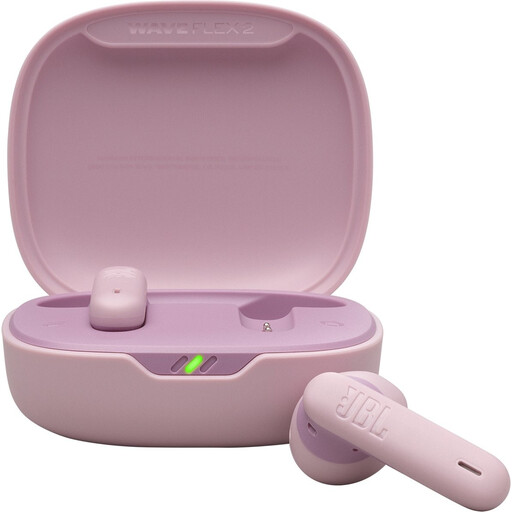
Why it suits this profile: A practical choice for everyday listening, calls and commuting, with Smart Ambient features and support for multiple devices.
The product information lists IP54 for the earbuds, providing a clear indication of protection against dust and splashes. The quoted total playtime is 40 hours, including the charging case.
12mm drivers, four microphones, multipoint and fast charging via USB-C according to the product specifications.
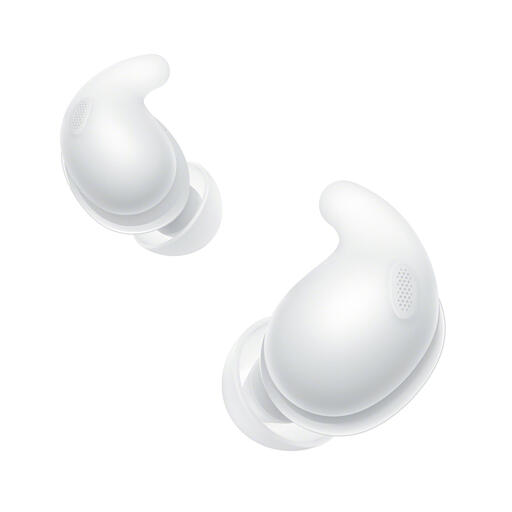
Why it suits this profile: Designed for users who value comfort, active noise cancellation and connecting to two devices at once.
The fit combines an ear-hook design with an air-cushion structure. IPX4 makes the model suitable for sweat and light rain, but not for submersion.
4.8 grams per earbud according to the product description, active noise cancellation, multipoint and a quoted total battery life of 21 hours.
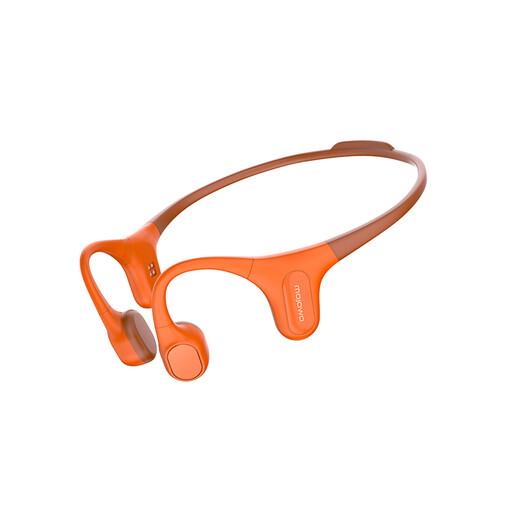
Why it suits this profile: Designed for swimming, running, cycling and training sessions where an open design and built-in storage can be useful.
The product information lists IP68 and 32GB of built-in storage. After swimming, the warning states that you should rinse the device with fresh water and dry it completely before charging.
Open-ear bone-conduction design, Bluetooth and MP3 storage according to the product specifications.
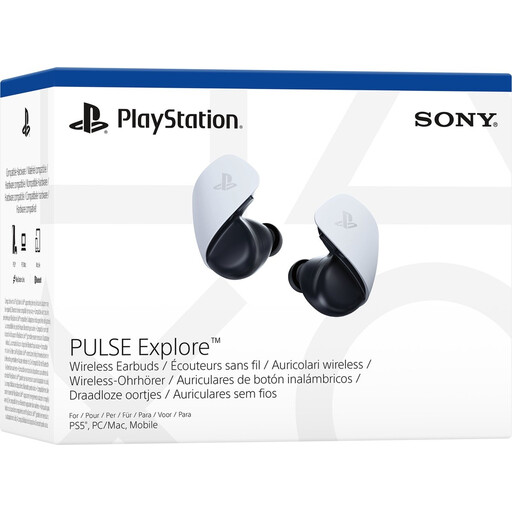
Why it suits this profile: A focused option for players looking for PlayStation Link, low latency and compatibility with PS5, PC, Mac or PlayStation Portal.
Here, you are not choosing based on Bluetooth alone: PlayStation Link is specifically designed for compatible gaming devices. However, check the stated battery figures, as the product listing gives different values.
Flat magnetic drivers, virtual surround sound, Bluetooth and support for 3D audio on PS5 according to the product information.
We have put together a complete, up-to-date list of products that fully meet these strict selection criteria and the applicable European safety regulations.
Open your phone’s Bluetooth settings, put the earbuds into pairing mode and select the product name. If they support multipoint, pair a second device afterwards according to the manual or the relevant app. If it does not work, first remove the old Bluetooth connection and charge the earbuds again.
Battery capacity decreases over time. Practical service life depends on charging cycles, heat, moisture and usage. Store the earbuds in their case, keep the charging contacts clean and do not charge them when they are wet. The statutory consumer guarantee in the EU remains separate from expected battery wear.
They can be, particularly if you want to reduce disruptive background noise during train journeys or flights. However, noise cancellation is no substitute for a good fit and is not equally effective against every type of sound. Choose transparency mode when you want to hear announcements or conversations. For walking and cycling, open-ear earbuds may be more practical, as they block out less of your surroundings.
