
Vandaag of morgen in huis

Kwaliteit gegarandeerd

Welkomstaanbiedingen ontgrendelen: GRATIS bezorging | Tot 80% korting | Gratis 30 dagen JoyPlus-proefperiode
Download de app
Wireless earbuds are handy for commuting, calls, exercise and everyday listening. However, a model with more features listed on the packaging does not automatically offer a better user experience. For example, a long battery life may only apply when combined with the charging case. A high decibel rating also says nothing about comfort or how clearly you will be heard during a phone call.
As a Joybuy Product Recommendation Officer, I therefore focus mainly on verifiable product specifications and how well a product matches the way you intend to use it. Below, you will find what to look for, which marketing claims to assess critically and which popular choices suit different types of user.
Manufacturers often state the total playback time including the charging case. The earbuds themselves may, for example, last 6 to 10 hours, while the remaining hours come from several recharges. Always check:
With many wireless earbuds, playback time decreases when active noise cancellation is switched on.
ANC earbuds use microphones and electronics to reduce certain surrounding sounds. This does not mean that every sound disappears completely. Low, constant sounds such as train or aircraft noise are generally a different scenario from voices, wind or sudden sounds.
According to a brand’s own research, a model may offer a certain level of noise reduction in decibels. Treat such a claim as brand information, not as a guarantee of the same experience in every environment. A good fit with suitable ear tips remains important.
Not every device supports the same features. Apple users may benefit from integration with iOS, while some features of Samsung earbuds depend on Android and the Galaxy Wearable app. Also check whether your device uses USB-C, Bluetooth or a 3.5mm connection.
In-ear headphones with silicone ear tips create a better seal, but may feel less comfortable if their shape does not suit your ears. Open designs or bone-conduction earbuds let more surrounding sound through, which can be practical for some outdoor activities.
Bluetooth 5.2, 5.3 or 5.4 indicates the connection technology used, but does not determine sound quality on its own. Also look at:
If you regularly switch between a laptop and smartphone, multipoint is more useful than simply having a higher Bluetooth version.
An IP rating consists of two numbers, or a number and a letter. The first part refers to dust and the second to water. IPX5, for example, means protection against water jets under certain test conditions, but does not automatically mean the earbuds are suitable for swimming. IP54 indicates limited protection against dust and splashing water.
Check the complete rating and follow the instructions for use. Sweat, rain and water in the charging case can cause problems over time, even if a product is splash-resistant.
For calls, the number and positioning of microphones, as well as software-based noise reduction, are relevant. A reference such as ‘call noise reduction’ comes from the brand’s product description. In practice, speech clarity may vary depending on wind, traffic noise and the position of the earbuds.
If you attend a lot of meetings, you could also consider wireless headphones with larger ear cups. They often offer a different fit and longer battery life than compact true wireless earbuds.
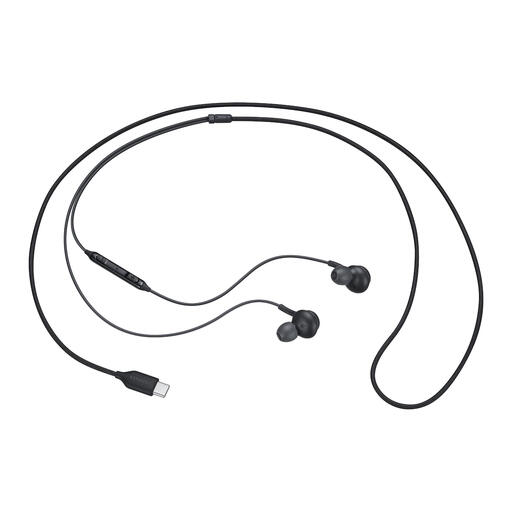
Why it suits this profile: For anyone who does not need Bluetooth or a charging case and uses a USB-C connection.
There is no battery to run out and no unclear total playback time. Do check that your device supports audio via USB-C.
USB-C, built-in microphone, in-line controls and ear tips in various sizes included.
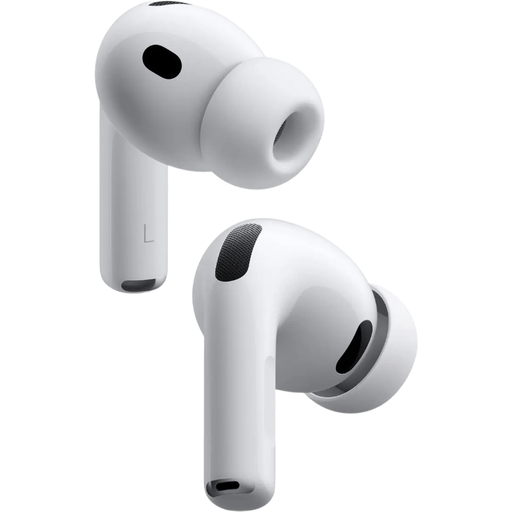
Why it suits this profile: For Apple users who value ANC, spatial audio and multiple fit options.
Five sizes of silicone ear tips help you adjust the fit. The stated ANC performance still depends on your ear shape and surroundings.
Up to 8 hours of battery life with noise cancelling according to the product information, IP57 rating and microphone.
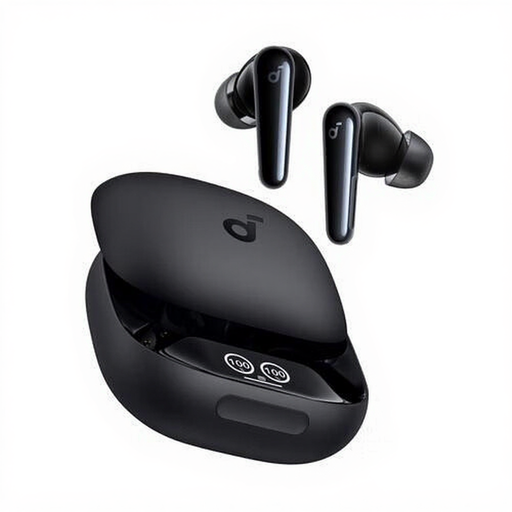
Why it suits this profile: A practical choice for calls, music and exercise, thanks to TWS, touch controls and a charging case.
The IPX5 rating makes the stated splash resistance verifiable. This rating is not suitable for swimming or submersion.
Six microphones, USB-C charging case, additional ear tips and up to 10 hours of continuous playback according to the product information.
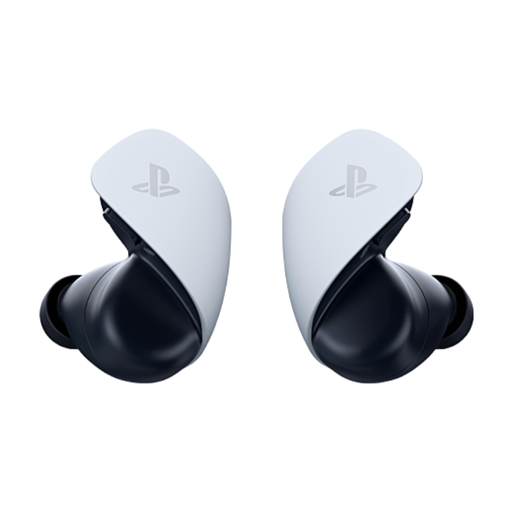
Why it suits this profile: Designed for PS5, PlayStation Portal, PC and mobile, with PlayStation Link and Bluetooth.
Compatibility and connection options are clearly described. Do check that the required PlayStation Link adapter is available for your setup.
Planar magnetic drivers, two microphones and up to 5 hours of battery life per charge according to the product information.
We have put together a complete, up-to-date list of products that fully meet these strict selection criteria and the applicable European safety regulations.
Wired earbuds are simple, affordable and ready to use straight away. The JBL Tune 210 uses a 3.5mm connection and has a built-in microphone. For modern phones without a headphone port, USB-C earbuds such as the JBL Tune 310C are an alternative.
Bluetooth earbuds offer greater freedom of movement, but need to be charged. Models with multipoint are useful for travelling or working. For exercise, a secure fit is at least as important as ANC. If you want to remain consciously aware of surrounding sounds, consider an open design or bone-conduction model.
Open your smartphone’s Bluetooth settings, put the earbuds into pairing mode and select the product name. Apple and Samsung models may sometimes display an additional set-up screen. If pairing does not work, charge both the earbuds and the case first, then remove any previous Bluetooth connection.
This depends on battery capacity, charging habits, moisture, temperature and software. The battery life stated in the product information is a maximum quoted under specific conditions. Store the earbuds in the case, use a suitable USB-C charger and avoid prolonged exposure to heat or moisture.
Not necessarily. ANC can reduce surrounding noise, but its performance varies depending on ear shape, fit and environment. Use transparency mode or switch noise cancellation off when you need to hear traffic, cyclists or other warning signals. Also listen at a comfortable volume and take regular breaks.
