
Vandaag of morgen in huis

Kwaliteit gegarandeerd

Welkomstaanbiedingen ontgrendelen: GRATIS bezorging | Tot 80% korting | Gratis 30 dagen JoyPlus-proefperiode
Download de app
Wireless earbuds are handy when you’re out and about, at the office or working out. But an appealing product listing doesn’t automatically mean they’re right for you. Terms such as “noise cancelling”, “waterproof” and “long battery life” can mean different things. Always check the technical specifications and think about how you’ll use your earbuds most.
A battery life of, for example, 55 hours often refers to the total playback time, including the charging case. The earbuds themselves may last considerably less time on a single charge. Check both figures:
A short fast charge can be useful if you often forget to charge your earbuds. Also check whether the stated playback time is with or without active noise cancelling.
An IP rating indicates the conditions a product has been tested or assessed for. IPX4, for example, offers protection against splashes, while IPX5 describes protection against water jets. Neither rating means you can submerge the earbuds.
Be aware of the difference between:
Dry the charging port before connecting a cable. “Water-resistant wireless earbuds” are not the same as earbuds designed for swimming.
ANC, or active noise cancelling, is mainly designed to reduce background noise while you listen. That doesn’t automatically mean your voice will sound clear during a phone call. For calls, the number and position of the microphones, as well as the noise reduction used for calls, are more relevant.
Brands may make claims about AI noise cancelling or a certain number of decibels. Don’t treat this information as a guaranteed result: according to the manufacturer’s specifications, performance may depend on your surroundings, fit, phone and software.
True wireless earbuds have no cable connecting the two sides. That makes fit and weight important. In-ear models with different sizes of eartips may provide a better seal, while half-in-ear or clip-on models may feel less pressurised.
For sport, an ear hook, clip-on design or secure fit can be useful features. Also check whether the model is designed for sweat and light rain. A loose fit can be irritating when walking or running, whatever the sound quality.
Bluetooth 5.3, 5.4 or 6.0 describes the Bluetooth version used, but on its own it doesn’t guarantee a longer range or better sound quality. In particular, check:
A Bluetooth headset with multipoint can be handy if you work on your laptop and also want to stay reachable on your phone.
If you make calls regularly, look for wireless earbuds with a microphone. Don’t just check the number of microphones; also look at the product information on noise reduction for calls. For online meetings, an over-ear model with a larger microphone setup may be more comfortable than small earbuds.
Consider how you’ll actually use the earbuds when checking battery life. ANC, high volume and phone calls can all affect playback time. USB-C is now common and makes it easier to use one cable for several devices. Wired USB-C earbuds don’t need a battery, but are only suitable for devices with a compatible audio connection.
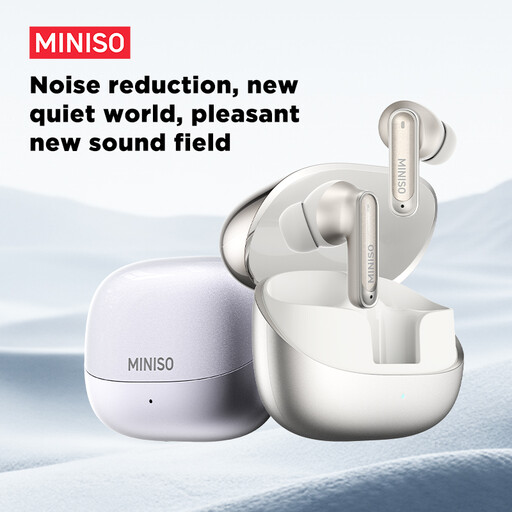
Why it suits this profile: This TWS model is designed for everyday listening, calls, studying and commuting. According to the product specifications, it has an IP55 rating, six microphones and total battery life of up to 55 hours.
The IP rating and battery information are more specific than simply saying “waterproof”. Do check whether the stated 55 hours includes the case.
10mm dynamic drivers, customisable touch controls, dual-device connectivity and a stated fast-charging function.

Why it suits this profile: This model is aimed at listeners who value ANC, adjustable sound and integration with Galaxy devices. The product specifications list six microphones, Bluetooth 6.1 and IP57.
The stated playback time is listed separately with ANC on and off. This gives you a more useful picture than a single general battery-life claim.
2-way speaker system, USB-C, wireless charging, 9-band equaliser and stated total playback time of up to 30 hours without ANC.
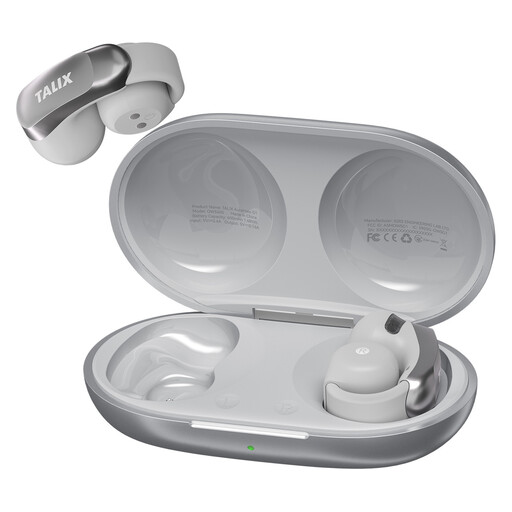
Why it suits this profile: The clip-on design and silicone ear hook are made for users who want their earbuds to stay in place while they move. The specifications list Bluetooth 5.3, IPX4 and up to 28 hours with the case.
IPX4 is clearly distinguished from full waterproofing. This model is designed for sweat and light rain, not submersion.
Four microphones, up to 7 hours per charge, fast charging and a stated weight of 5,2 grams per earbud.
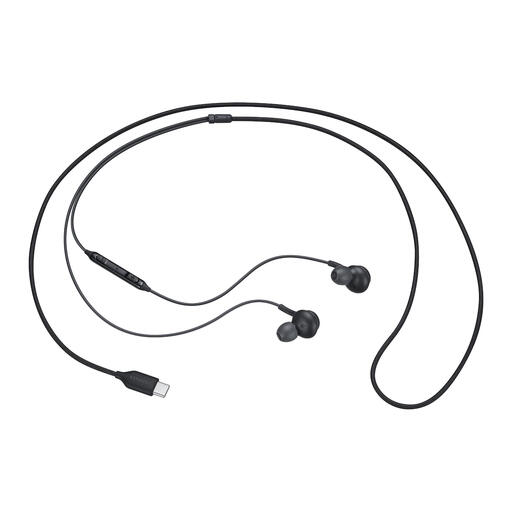
Why it suits this profile: For working from home, using a laptop and making calls without having to charge your headset, a wired USB-C model is practical. This one has a built-in DAC, microphone and controls on the cable.
There’s no battery to lose capacity over time. Do check that your device supports audio over USB-C.
USB-C connection, built-in DAC, in-line controls, microphone and included eartip sizes.
We’ve put together a full, up-to-date list of products that meet these strict selection criteria and the applicable European safety regulations.
Open your phone’s Bluetooth settings, charge the earbuds and put them into pairing mode as instructed in the manual. Then select the product name from the list. Remove an old pairing if the earbuds don’t appear. With multipoint, you may need to pair one device first, then add the second device through the app.
It depends on how you use them, your charging habits, exposure to moisture, storage and the lifespan of the built-in battery. The stated battery life will generally decrease over time. Keep the earbuds in their case, avoid extreme temperatures and don’t charge them in a damp environment. Products sold in the EU are also covered by a legal guarantee; check the specific guarantee information on the product page.
They can be, but ANC for listening isn’t the same as noise reduction for the microphone. So check the number of microphones and the stated call features. When making calls, also test whether the other person can hear you clearly in an office, station or busy street. Turn noise cancelling off when you need to hear traffic signals or other sounds around you.
