
Vandaag of morgen in huis

Kwaliteit gegarandeerd

Welkomstaanbiedingen ontgrendelen: GRATIS bezorging | Tot 80% korting | Gratis 30 dagen JoyPlus-proefperiode
Download de app
Wireless earbuds are useful for music, podcasts, calls, travelling and exercise. However, an appealing product page can still lead to the wrong purchase. For example, a long battery life does not always tell you how many hours the earbuds themselves will play for. “Water-resistant” also does not automatically mean you can swim with them.
As a Joybuy Product Recommendation Officer, I filter the most important product information down to practical points. This helps you compare Bluetooth earbuds based on specifications that make a real difference in everyday use.
Manufacturers often state the total battery life, including the charging case. A set advertised as having “40 hours of battery life” may offer only 8 to 10 hours per charge, for example. So always check these points separately:
With earbuds offering long battery life, the difference between “per charge” and “including the case” matters when commuting and travelling.
The IP code indicates the conditions against which a product has been tested. In practice, IPX4 means protection against splashing water, sweat and light rain. It is not certification for submersion. The Sony LinkBuds Open and Sony WF-C710N are listed with IPX4; the charging case does not automatically have the same protection.
A higher rating, such as IPX5 or IP68, offers more protection according to the product specifications, but always check the manual and charging instructions. Charging a wet product can cause damage, even if the earbuds themselves are water-resistant.
Noise-cancelling earbuds use active noise cancellation to reduce background noise. The result depends on the fit, the type of sound and the surroundings. Low, continuous sounds on a train or aeroplane are generally handled differently from voices or sudden noises.
Open-ear earbuds work differently: they are designed to let you hear your surroundings. This can be practical when walking or working, but sound isolation is usually lower than with closed in-ear models.
Comfort is personal. A lightweight model can be comfortable during long listening sessions, but a good fit is just as important. With sports earbuds, stability, sweat resistance and easy controls matter more than simply having a large number of features.
Bluetooth 5.3 or Bluetooth 6.0 mainly indicates the connection standard being used. Also check whether multipoint is available if you want to connect a laptop and smartphone at the same time. The Sony LinkBuds Open, Sony WF-C710N and various Soundcore models state that they support connections to multiple devices.
Audio codecs such as AAC, SBC and LC3 determine how audio is transmitted. Compatibility depends on both the device and the earbuds. A phone with a particular codec can only use that function if the earbuds support it too.
For earbuds used for calls and music, the number and positioning of the microphones, along with software-based noise reduction, are relevant considerations. A product description may mention AI or beamforming technology. Treat this as a brand or product claim, rather than a guarantee of clear speech in every situation.
Also check the controls: can you answer, mute and end calls using the earbuds? This is practical during meetings or when you are out and about.
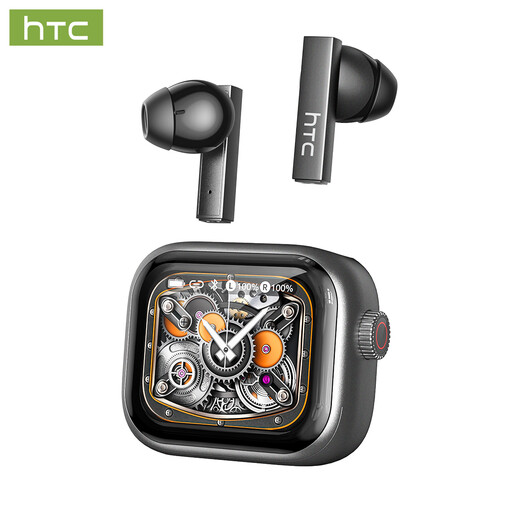
Why it suits this profile: A straightforward TWS set for everyday listening, studying and calls, with touch controls and a charging case.
The specifications state separate playback time of approximately 3.5 hours and up to 24 hours with the case. This makes the battery claim more concrete and easier to assess.
Bluetooth 6.0, built-in microphone, LED display and touch controls.

Why it suits this profile: Designed for users who combine music, travelling and calls and want to adjust active noise cancellation.
According to the product description, noise cancellation and microphones are listed separately. The IPX4 rating makes it clear that this means protection against splashing water, not suitability for swimming.
Up to 10 hours of playback according to the product specification, up to 40 hours with the case, USB-C and six microphones.
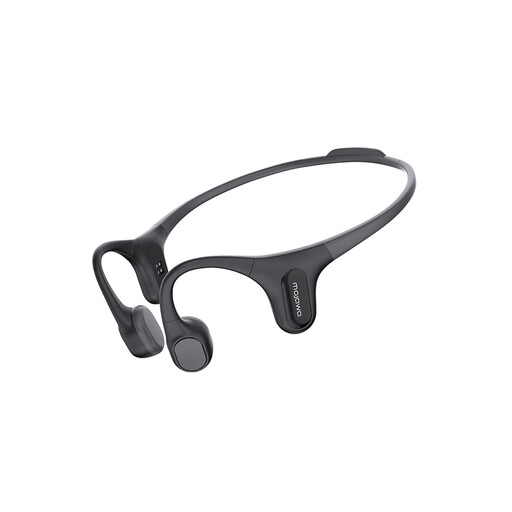
Why it suits this profile: For running, cycling, gym workouts and swimming when an open design or music without a smartphone is preferred.
The stated IP68 rating and 32 GB of internal memory are designed for intensive use. However, follow the instructions for rinsing and drying the product completely before charging.
Open-ear bone-conduction design, Bluetooth and 32 GB of storage for music without a direct smartphone connection.
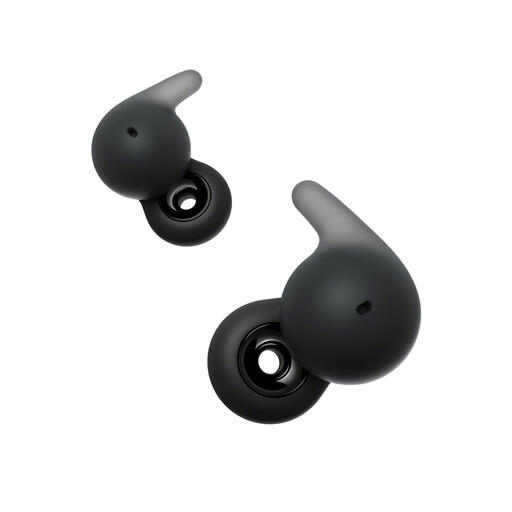
Why it suits this profile: A lightweight open-ear choice for podcasts, office work, walking and everyday use when you want to remain aware of your surroundings.
The open design makes it clear that this model is not intended to block out surrounding sounds completely. The IPX4 rating limits use to splashing water and sweat.
4.8 grams per earbud according to the product description, Bluetooth 5.3, multipoint and an 11 mm ring driver.
We have put together a complete, up-to-date list of products that fully meet these strict selection criteria and the applicable European safety regulations.
Charge the earbuds first and put them into pairing mode. Then open your smartphone’s Bluetooth settings and select the product name. During the first connection, an app may offer additional settings such as an equaliser, multipoint or firmware updates.
Battery life per charge varies by model and function. Noise cancelling, high volume and phone calls can drain the battery more quickly. The lifespan of the built-in battery also depends on charging cycles, heat and storage conditions. Keep the earbuds in their case and do not charge them in a damp environment.
That depends on the fit and the IP rating. According to the product specifications, IPX4 models are suitable for sweat and light rain, but not for swimming. For swimming or intensive use, models with an appropriate higher rating, such as the stated IP68 rating of the Mojawa RunPlus, are a more logical choice. Always check the manual before exposing the product to water.
