
Vandaag of morgen in huis

Kwaliteit gegarandeerd

Welkomstaanbiedingen ontgrendelen: GRATIS bezorging | Tot 80% korting | Gratis 30 dagen JoyPlus-proefperiode
Download de app
Wireless earbuds are handy when you’re out and about, at the office and while exercising. However, making a quick purchase is not always wise. A low price says little about wearing comfort, and a long battery life stated on the packaging does not automatically mean you can listen for hours without using the charging case.
The main pitfalls are:
True wireless earbuds consist of two separate earbuds with no cable between the left and right sides. They are compact and suitable for music, podcasts and calls. In-ear models use silicone ear tips to adjust the fit and sound isolation. Check how many ear tip sizes are included. According to the product information, the Apple AirPods Pro 3 come with five sizes of silicone ear tips.
Open-ear earbuds and ear-clip models rest on or around the ear. They block the ear canal less, allowing you to remain more aware of your surroundings. This can be useful during a walk or running session, although more background noise may also compete with your music on a busy train.
A bone conduction headset places its transducers by the cheekbones rather than inside the ear canal. As a result, the experience differs from that of conventional Bluetooth earbuds. With these models, check especially carefully that music storage, Bluetooth controls and water resistance are actually listed in the specifications.
The IP code indicates how well a product is protected against dust and water. The second letter or number is relevant here:
An IP rating does not automatically make a product suitable for swimming. When charging, the charging port or magnetic connector must be completely dry. Always follow the manufacturer’s instructions and safety information.
Bluetooth 5.3, 5.4 or 6.0 mainly indicates the Bluetooth version used; it is not a direct measure of sound quality. Also look at range, codec support, multipoint and the stated playback time.
For everyday use, 10 hours of playback per charge may be sufficient. If you work long days, travel frequently or do lengthy training sessions, earbuds with extended battery life and a case that can recharge them several times are more useful. Also check whether the earbuds charge via USB-C and whether wireless charging is supported.
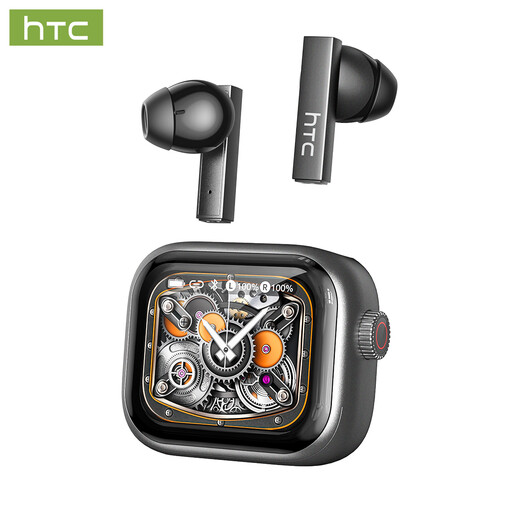
Why it suits this profile: This model offers an accessible combination of TWS controls, Bluetooth connectivity and a built-in microphone for everyday use, studying and conversations.
The product information gives specific figures: around 3.5 hours per charge and up to 24 hours with the case. This makes the battery claim easier to assess.
Bluetooth 6.0, range of up to 10 metres, LED display, touch controls and a microphone.

Why it suits this profile: Suitable for anyone who values in-ear comfort, active noise cancellation and features within a Galaxy ecosystem.
The specifications list separate battery-life figures with ANC switched on and off: 6 and 7 hours. They also clearly state that IP57 is not intended for swimming.
ANC, six microphones, Bluetooth 6.1, two-way speakers, USB-C and wireless charging.
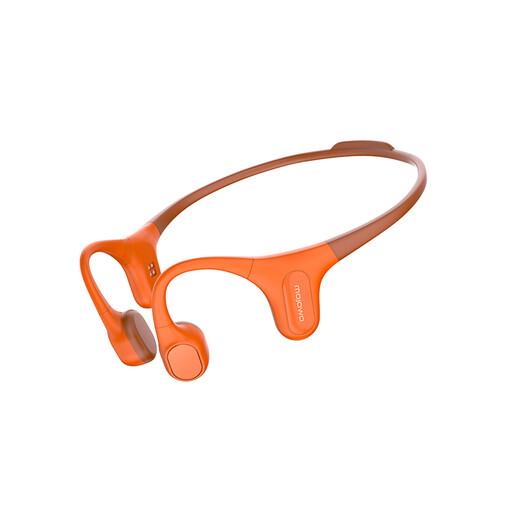
Why it suits this profile: An open-ear bone conduction design with built-in storage is aimed at running, cycling and gym sessions, and according to the product listing, swimming too.
The listing mentions IP68, 32 GB of storage and an MP3 player. This allows you to check the relevant features for outdoor sport and use in water separately.
Open-ear design, Bluetooth, 32 GB of storage and IP68 according to the product details.
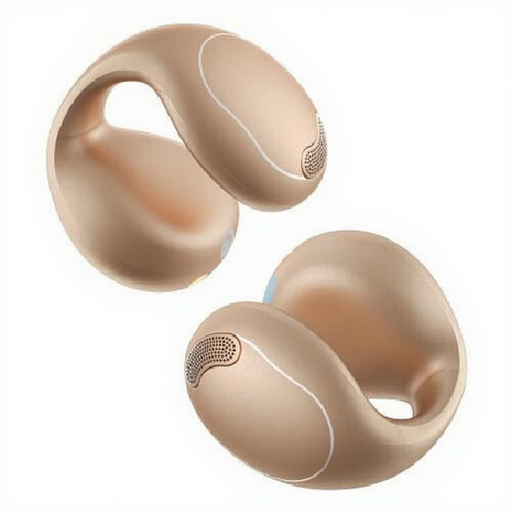
Why it suits this profile: The open-ear design, two built-in microphones and button controls are well suited to calls, walking, sport and everyday use.
The product details state IPX4. This helps position the model realistically for sweat and splashes, rather than immersion.
Bluetooth 5.4, two microphones, open-ear wearing style and physical button controls.
For earbuds for calls and music, microphones, wind reduction and stable Bluetooth are more important than simply the number of drivers. If you mainly watch films or travel, you may prefer in-ear earbuds with noise cancelling. However, check that transparency mode is easy to operate.
For running, sports earbuds with ear hooks, an ear-clip or open-ear construction are often more practical than loose in-ear models. The Soundcore AeroFit Pro, for example, lists an ear hook, IPX5 and up to 14 hours of playback. For swimming, a model with a rating specifically intended for this purpose and built-in storage makes more sense than ordinary Bluetooth earbuds, as Bluetooth has limited usability underwater.
Keep the volume at a moderate level when using your earbuds. Open-ear models improve awareness of your surroundings, but they do not replace attentiveness in traffic. Do not use headphones in situations where you need to remain fully alert.
We’ve put together a complete, up-to-date list of products that fully meet these strict selection criteria and the applicable European safety regulations.
First, charge the earbuds and open your phone’s Bluetooth settings. Remove the earbuds from the case or press and hold the pairing button. Then select the product name from the list. With a previously paired device, many models reconnect automatically.
Battery life per charge varies by model and settings. ANC, volume, codec and phone calls all affect battery life. Overall lifespan also depends on the built-in battery, charging cycles, temperature and care. Store the earbuds in the case, keep them dry and do not use liquid when cleaning them.
That depends on the fit and IP rating. Ear hooks, ear-clips and open-ear designs can remain secure during movement. Before buying, check whether the model is sweat- or splash-resistant. A higher IP rating does not automatically mean you can swim with it.
