
Vandaag of morgen in huis

Kwaliteit gegarandeerd

Welkomstaanbiedingen ontgrendelen: GRATIS bezorging | Tot 80% korting | Gratis 30 dagen JoyPlus-proefperiode
Download de app
Wireless audio seems simple: choose a model, connect it via Bluetooth and start listening. In practice, wireless earbuds and headphones vary considerably in comfort, battery life, call quality and moisture protection. A low price can be tempting, but an unclear product description or poor fit can mean you hardly use the product.
In this buying guide, you’ll find out what to look for in Bluetooth earbuds, wireless headphones, noise-cancelling earbuds and models for sport, travel or working from home.
A product might, for example, claim “40 hours of playback”. Always check whether this refers to the earbuds’ own battery or the total listening time including the charging case. Battery life can also vary when using ANC, making phone calls or listening at a high volume.
So look out for:
A rating such as IPX4 means protection against splashes. It does not make the product suitable for immersion or prolonged exposure to heavy rain. What’s more, with many earbuds, only the earbuds are protected, not the charging case.
IPX4 may be sufficient for sport and commuting. If you plan to use your earbuds extensively in wet conditions, check the product information carefully.
Noise-cancelling earbuds and ANC headphones use active noise cancellation to reduce background noise. However, how well they work also depends on the fit and how you wear them. Poorly fitting in-ear models may not seal as well and can become uncomfortable more quickly.
As well as ANC, look out for:
Bluetooth 5.3 or 5.4 mainly tells you about the connection technology used, but it doesn’t automatically guarantee a greater range or better sound quality. Also check whether multipoint is supported. This lets you, for example, keep a laptop and smartphone connected at the same time.
Low latency matters for gaming. Look for a specific low-latency or gaming mode. For everyday listening, calls and podcasts, a stable connection and simple controls are often more important.
If you spend a lot of time in meetings or on calls, earbuds with a microphone can be useful. The number of microphones is a helpful point of comparison, but it doesn’t tell you on its own how clearly the other person will hear your voice. Wind, traffic and microphone placement also play a part.
Brands may claim that their products offer noise reduction or clear calls. Treat these as manufacturer claims and focus on comparing the stated microphone configuration, usage mode and how the product performs for the way you intend to use it.
Don’t use headphones or earbuds while cycling, driving or doing work that requires you to hear surrounding sounds. Avoid listening at a high volume for long periods, too.
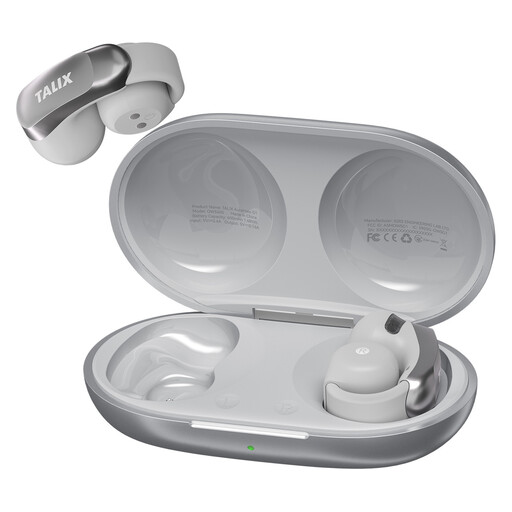
Why it suits this user: This clip-on model is designed for everyday listening, calls and light exercise. According to the product information, each earbud weighs 5,2 grams and has a soft silicone ear hook.
Battery life is broken down into up to 7 hours per charge and 28 hours with the case. The IPX4 rating makes it clear that the earbuds are splash-resistant, not suitable for immersion.
Bluetooth 5.3, four microphones, fast charging and a silicone ear hook. The product information states that ten minutes of charging provides two hours of playback.
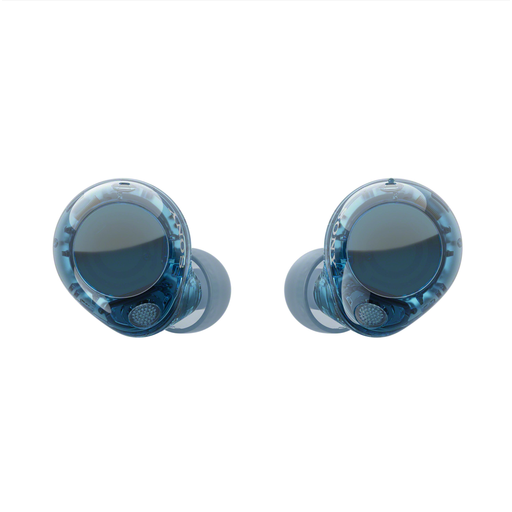
Why it suits this user: This model is ideal for users looking for ANC, multipoint and a compact in-ear fit for travel, the office and everyday listening.
The product listing distinguishes between battery life with and without noise cancelling. It also states the IPX4 rating, so you can take its limits in rain and when exposed to sweat into account.
Active noise cancelling, Bluetooth 5.3, multipoint and a fast-charging function. According to the product description, playback lasts up to 30 hours with ANC and 40 hours without it.
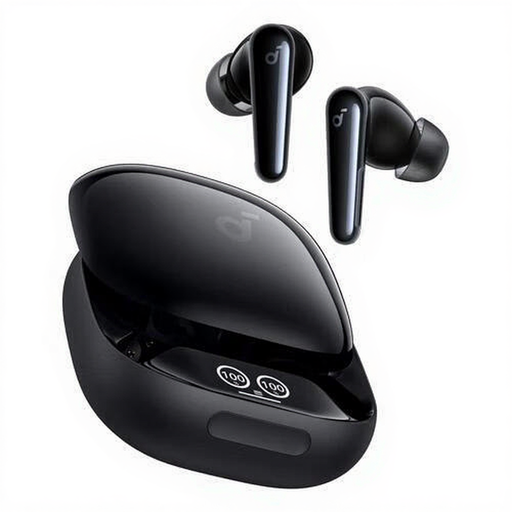
Why it suits this user: With six microphones, TWS connectivity and an IPX5 rating, this model is designed for users who make frequent calls, listen to music and stay active.
The IPX5 rating is not presented as full waterproofing. Extra ear tips let you adjust the fit, which is important for comfort and sound isolation.
Six built-in microphones, dynamic drivers, touch controls and up to 10 hours of continuous playback, according to the product specifications.
We’ve put together a full, up-to-date list of products that meet these strict selection criteria and the applicable European safety regulations.
Open the Bluetooth settings on your Android phone or iPhone. Take the earbuds out of their case and select the product name from the list. You may need to confirm the connection the first time you pair them. If it doesn’t work, charge both the earbuds and the case, then remove any previous pairing from your Bluetooth menu.
Playtime per charge often ranges from a few hours to around a working day, depending on the model and features such as ANC. Total battery life with the case can be considerably longer. The lifespan of the built-in battery depends on charging cycles, heat, storage and usage. Keep your earbuds dry and charge them according to the manufacturer’s instructions.
Apart from the purchase price, charging is the main thing to consider. Most models charge via USB-C and use relatively little power. Check whether a cable, adapter or charging case is included. A model with long battery life needs charging less often, which is particularly useful for travel and everyday commuting.
