
Vandaag of morgen in huis

Kwaliteit gegarandeerd

Welkomstaanbiedingen ontgrendelen: GRATIS bezorging | Tot 80% korting | Gratis 30 dagen JoyPlus-proefperiode
Download de app
Wireless earbuds are handy for listening to music, making calls, travelling, studying and exercising. However, many models seem more impressive on paper than they are in everyday use. For example, a long battery life may only apply when noise cancellation is switched off. And water-resistant earbuds do not automatically mean that the charging case can withstand rain too.
So pay particular attention to these three common pitfalls:
Below, I explain which features you should compare in practical terms and which models suit different usage scenarios.
Earbuds with a long battery life often quote two figures:
These figures are not always measured under the same conditions. ANC earbuds generally use more energy than models without active noise cancellation. Also check whether fast charging is available and whether the case charges via USB-C.
A model offering 6 to 8 hours per charge may be sufficient for commuting. For long journeys or use in the office, a case with a generous total capacity is more convenient. Also look out for conflicting information on a product page: if the description and technical table show different battery figures, it is sensible to check the current specifications and manual before buying.
Active noise cancellation, also known as ANC, uses microphones and electronic processing to reduce surrounding noise. This can be useful on the train, in the office or during a flight. However, performance varies depending on the environment. Low, constant sounds are often processed differently from voices or sudden noises.
A transparency mode lets in surrounding sound. This is useful when you want to hear an announcement at the station or have a quick conversation with someone. Conversation Awareness and similar features can lower the volume automatically; however, always remain aware of your surroundings.
For calls, the number of microphones and the noise-cancellation technology used are relevant specifications. A model with several microphones may be suitable for conversations, but the ultimate clarity also depends on wind, software and the surroundings. So treat brand claims with caution: according to the manufacturer’s product information, certain models are designed for clear calls; this is not a guarantee for every usage scenario.
In-ear models partially seal the ear canal and can therefore passively reduce surrounding noise. Check whether several ear-tip sizes are included. For sports use, an ear hook or clip can provide extra security.
The IP rating consists of two digits, or a digit and an X. IPX4 indicates protection against splashes; according to the classification, IPX5 provides protection against water jets under certain conditions. IP57 goes further, but still does not mean you can swim with the product without checking the instructions. The charging case may also have a different level of protection from the earbuds.
Bluetooth 5.3, 5.4 or 6.0 mainly indicates the connection standard used. Also check multipoint, compatibility with iOS or Android, app support and whether a microphone is included. For gaming, low-latency modes may be relevant, but ordinary Bluetooth earbuds are not automatically suitable for competitive gaming.
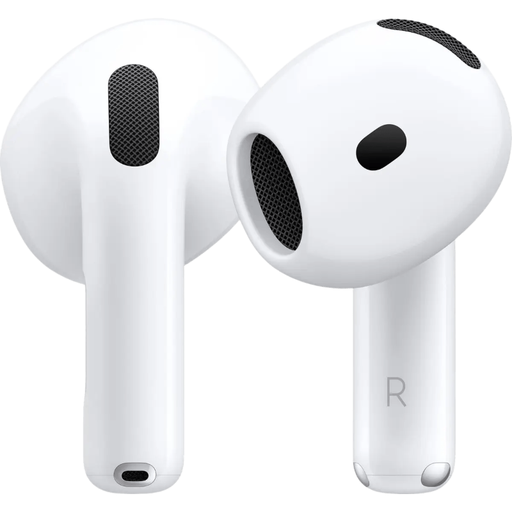
Why it suits this profile: An uncomplicated choice for everyday listening and calls, particularly if you already use Apple devices.
The USB-C case and stated total battery life of more than 30 hours make charging requirements easy to understand. This model does not have active noise cancellation, so there is no ANC battery claim to interpret.
Bluetooth 5.3, spatial audio according to the product information, and a charging case with USB-C. IP54 means protection against dust and splashes, not immersion.

Why it suits this profile: Designed for Galaxy users who value ANC, adjustable sound and extensive ecosystem features.
The specifications list separate playback times with ANC switched on and off. This makes it easier to compare the battery claim with your own usage.
Two-way speakers, six microphones, Bluetooth 6.1, USB-C and wireless charging. The IP57 rating offers more protection than basic splash-resistant models.
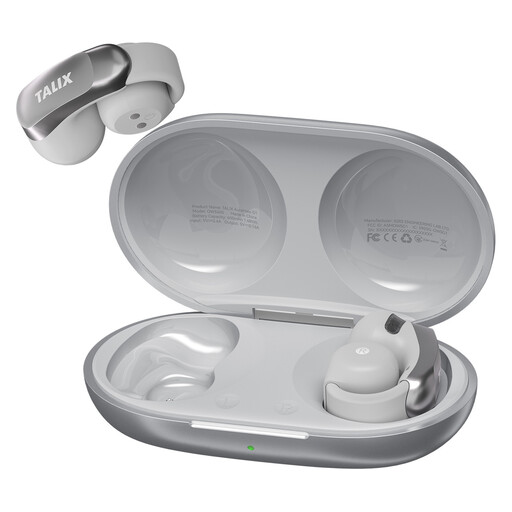
Why it suits this profile: A clip-on design with an ear hook is practical for sport, commuting and users who regularly lose standard in-ear earbuds.
The ear hook reduces the risk of the earbuds coming loose during movement. IPX4 is suitable for sweat and light rain, but not for swimming or heavy rain.
Four microphones, Bluetooth 5.3, up to 7 hours of playback per charge and up to 28 hours with the case. According to the product information, the clip-on model weighs 5,2 grams per earbud.
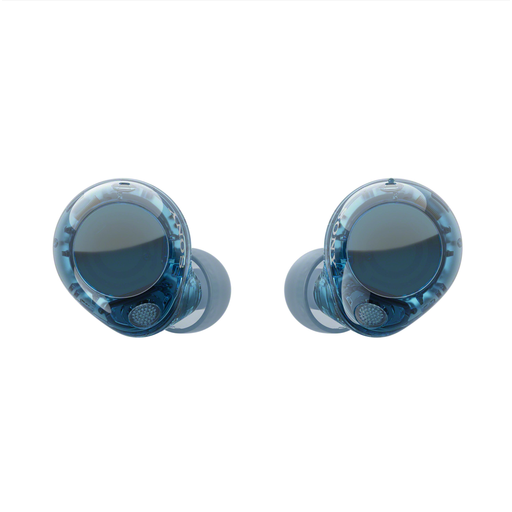
Why it suits this profile: Suitable for anyone who wants to combine active noise cancellation, multipoint and relatively long battery life while travelling or working.
The stated playback time is split between use with and without noise cancellation. The IPX4 protection is also clearly defined: splashes, not immersion.
Active noise cancellation, multipoint, USB-C and a fast-charging function which, according to the product information, provides 1 hour of listening from 5 minutes of charging.
We have compiled a complete, up-to-date list of products that fully meet these strict selection criteria and the applicable European safety regulations.
Open the charging case, activate Bluetooth on your smartphone and select the earbuds’ name from the device list. An app may be required for the first pairing. If the connection does not work, charge both earbuds, remove the old Bluetooth pairing and try again.
Battery life per charge is often between a few hours and around ten hours, depending on the volume, codec and ANC. Batteries deteriorate over time. Store the earbuds in the case, avoid heat and charge them with a suitable USB-C cable. Overall lifespan also depends on the hinges, charging contacts, software support and everyday care.
That depends on the IP rating. IPX4 models are designed for sweat and light rain. For more intensive outdoor use, a higher rating may offer greater protection, but always check whether the charging case has the same protection. Dry the earbuds before putting them back in the case and do not use them while swimming unless the manufacturer explicitly allows it.
