
Vandaag of morgen in huis

Kwaliteit gegarandeerd

Welkomstaanbiedingen ontgrendelen: GRATIS bezorging | Tot 80% korting | Gratis 30 dagen JoyPlus-proefperiode
Download de app
Wireless earbuds are ideal for music, podcasts, phone calls, commuting and exercise. However, a model can look appealing on paper and still disappoint in everyday use. For example, a long battery life means little if the earbuds do not stay securely in place. And a high water-resistance rating does not automatically mean you can use them for swimming.
Use these practical selection criteria to compare wireless earbuds based on the features that really make a difference in the Netherlands.
Brands often quote the total playback time including the charging case. The battery life of the earbuds themselves is usually considerably shorter. Features such as active noise cancellation, high volume levels and phone calls also consume extra power.
Always check:
A model with a smaller battery may be sufficient for commuting, while intensive users should pay closer attention to the total capacity and charging options.
The IP rating consists of two numbers, or a number and an X. The first part refers to protection against dust, while the second refers to water. IPX4, for example, is intended to protect against splashes and sweat. IPX5 protects against water jets, but not immersion. A higher rating may offer more protection, but always check the product manual and its limitations.
Also pay attention to the charging case. It may have a different rating from the earbuds. The charging contacts must be dry before you connect them.
Earbuds with noise cancellation use microphones and electronics to reduce ambient noise. The result varies depending on the fit, sound frequency and surroundings. Low, constant sounds such as train or aeroplane rumble may be processed differently from voices or sudden noises.
An open design, such as open-ear earbuds, deliberately allows ambient sound through. This can be useful when walking or exercising, but generally offers less sound isolation than in-ear earbuds with silicone tips.
True wireless earbuds consist of two separate earbuds with no cable between the units. In-ear models partially seal the ear canal, which can provide a direct listening experience and passive sound isolation. Choose a model with several ear-tip sizes if you often experience pressure or a loose fit.
Wireless earbuds with an open-ear or clip design rest on or around the ear. They leave the ear canal open and can be comfortable during prolonged use. Your surroundings remain easier to hear, although sound can be drowned out more quickly on busy streets.
Bone conduction earbuds use a different construction from conventional in-ear models. The product description may refer to transmission through the bone, but the listening experience and fit vary from person to person. Pay particular attention to wearing comfort, controls and the IP rating.
A higher Bluetooth version sounds appealing, but on its own it does not tell you everything about range, stability or sound quality. Also look at:
For everyday calls and listening to music, a stable connection is often more important than a single technical marketing term.
For earbuds with a microphone, the number and positioning of the microphones, along with wind protection, are relevant details. Some models use beamforming or ENC to support voice quality during calls. According to the manufacturer’s own information, the soundcore AeroClip has four beamforming microphones and wind-blocking mesh. This is a product specification, not a guarantee that every call will sound clear in every noisy environment.
Where possible, test call quality in the situations where you use the earbuds: at the office, on your bike or at a busy station.
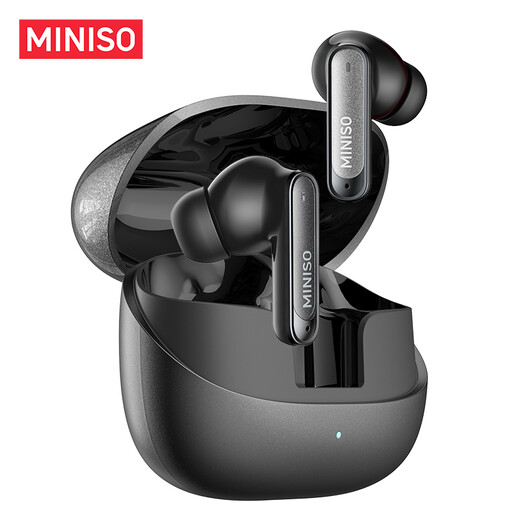
Why it suits this profile: This TWS model combines touch controls, a built-in microphone and a charging case for everyday use, studying and commuting.
The product information states a total battery life of up to 55 hours, as well as a fast-charging function. When buying, be sure to check the conditions attached to this claim.
IPX5 rating, 10mm driver, six microphones according to the product description, and support for two devices.
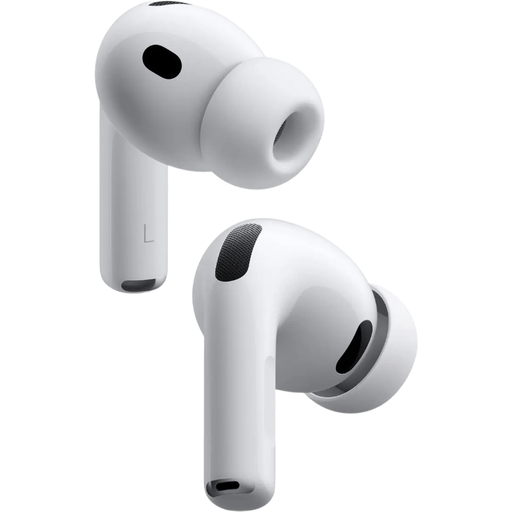
Why it suits this profile: A natural choice for Apple users who value active noise cancellation, spatial audio and automatic pairing within the Apple ecosystem.
Five sizes of silicone ear tips help you fine-tune the fit. The stated battery life should be considered in relation to ANC and transparency mode.
Bluetooth 5.3, active noise cancellation, a microphone, wireless charging and an IP57 rating stated in the product information.
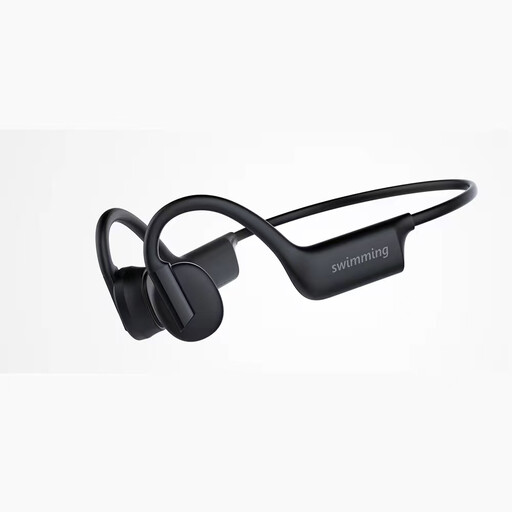
Why it suits this profile: This model is designed for athletes looking for an open construction, built-in storage and a high water-resistance rating.
The product information states IPX8, but also indicates that the earbuds are intended for fresh water and pool water. The magnetic charging contacts must be completely dry.
32 GB of internal storage, Bluetooth, a stated battery life of up to 8 hours, and an ear-hook design for sports use.
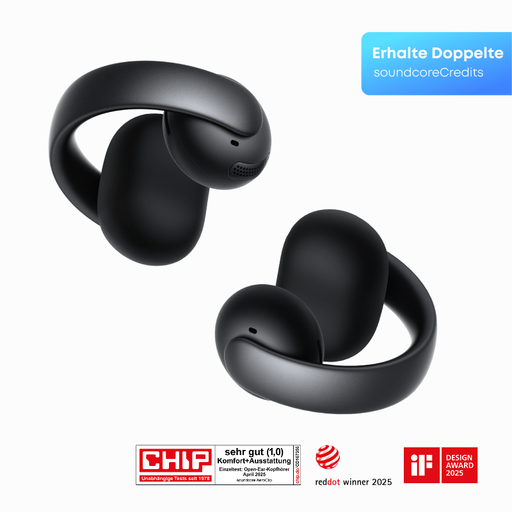
Why it suits this profile: The open-ear clip design is intended for walking, outdoor sports and everyday use when staying connected to your surroundings is important.
The open fit avoids the pressure associated with traditional in-ear earbuds. Bear in mind that this also means ambient noise remains more clearly audible.
12 × 12 mm titanium-coated driver, four beamforming microphones and a flexible open-ring design according to the product information.
We have put together a complete, up-to-date list of products that fully meet these strict selection criteria and the applicable European safety regulations.
Start by charging the earbuds and charging case. Open your phone’s Bluetooth settings, take the earbuds out of the case or open the lid, then select the product name. Some models require an app for additional settings. If pairing does not work, remove the old Bluetooth connection and try again.
Battery life per charge varies by model and settings. ANC, high volume levels and frequent calls reduce battery life. The product’s overall lifespan also depends on charging cycles, storage, cleaning and exposure to moisture. Keep the earbuds in their case and ensure the charging contacts remain clean and dry.
In addition to the purchase price, replacement earbuds, a new charging case and any accessories are the main costs to consider. A USB-C cable is usually easy to replace. Also check the warranty terms and the statutory minimum warranty in the EU. Choose a model whose fit, battery life and features suit the way you use it; this will help prevent you from having to buy a replacement soon.
