
Vandaag of morgen in huis

Kwaliteit gegarandeerd

Welkomstaanbiedingen ontgrendelen: GRATIS bezorging | Tot 80% korting | Gratis 30 dagen JoyPlus-proefperiode
Download de app
Wireless earbuds are handy for commuting, making calls, exercising and working from home. However, a long list of features does not automatically mean a model will suit the way you use it. The fit may disappoint, the battery life may only apply under ideal conditions, and a water-resistance rating is sometimes interpreted more broadly than is sensible.
The Joybuy Product Recommendation Officer therefore filters the most important product information down to practical points. This helps you compare Bluetooth earbuds, wireless headphones and open-ear models based on features you will notice in everyday life in the UK.
A stated battery life often applies to a specific setting, such as a lower volume and active noise cancellation switched off. With noise-cancelling earbuds, playback time may be shorter when ANC is active continuously. Check whether the manufacturer is referring to the battery life of a single earbud, the total battery life including the charging case or the playback time without ANC.
Fast charging is useful, but also look at the charging connection, the case capacity and how long a full charging cycle takes.
An IPX4 or IPX5 rating does not mean that you can submerge a product. IPX4 is intended for protection against splashes, while IPX5 protects against water jets under certain test conditions. Salt water, chlorine and moisture around the charging port can still cause problems.
For swimming, you need a product whose manufacturer explicitly mentions a swimming mode or suitable use in water. Even then, you should follow the manual and dry the charging port completely before charging.
In-ear earbuds seal the ear canal, which can make them comfortable on public transport. When cycling or running, however, you often want to remain aware of your surroundings. Open-ear earbuds and bone conduction headphones leave your ears more open, but provide a different listening experience from traditional in-ear models.
Also pay attention to the weight, how the headphones are secured and the controls. A touch panel may respond unintentionally during exercise; physical buttons or a dial can sometimes be more practical.
Bluetooth 5.2, 5.3 and 5.4 indicate the connection technology being used, but do not on their own tell you how stable the connection will be in your home. Check that your phone, laptop or tablet is compatible. A range of around 10 metres is usually stated for open spaces without many obstacles.
Multipoint is useful if, for example, you want to connect to your laptop and smartphone at the same time. Do check whether both devices can remain active simultaneously and exactly how switching between them works.
Choose a wearing style that matches how you plan to use the product:
A low weight helps when wearing headphones for long periods, but the shape of the earbuds and the pressure on your ears are just as important. Check whether different ear tip sizes or an adjustable headband are included.
For sports earbuds, IPX4, IPX5 or IP55 are relevant ratings, but always read the precise warnings. A model with microphones for calls is not automatically suitable for busy traffic or strong winds. When choosing earbuds for calls, look at the number of microphones and whether call noise reduction is mentioned.
If you are often on the move, look for earbuds with long battery life. Compare the playback time per charge with the total battery life including the case. With wireless headphones, the battery is usually built directly into the main unit, making you less dependent on a small charging case.
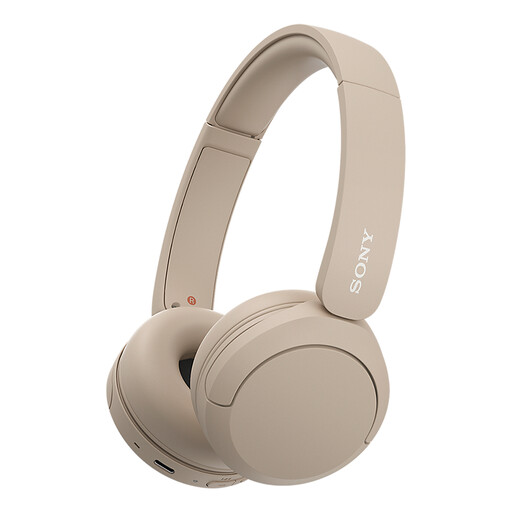
Why it suits this profile: Lightweight on-ear headphones with buttons, a microphone and multipoint connectivity for everyday use with a smartphone and laptop.
The stated specifications include battery life, USB-C and Bluetooth connectivity. As the model is not described as water-resistant, it is more clearly defined for dry, everyday use.
On-ear design, multipoint connectivity, USB-C and support for button controls.
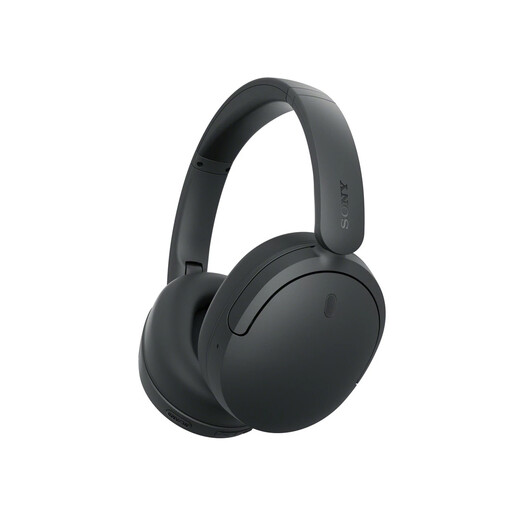
Why it suits this profile: An over-ear model for travel, work and extended listening, with noise cancellation, multipoint and a foldable design.
The product information distinguishes between battery life with and without noise cancellation. This makes it easier to compare the claim with your own usage.
Active noise cancellation, multipoint, a foldable design and a stated battery life of up to 75 hours without noise cancellation.
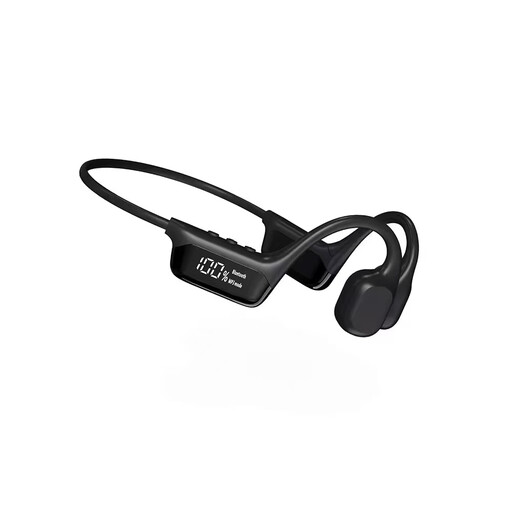
Why it suits this profile: An open-ear bone conduction model for users looking for an alternative to in-ear earbuds when running, cycling or swimming.
The product description explicitly mentions a swimming mode, open-ear design and Bluetooth 5.3. Before using it in water, check the manual and dry the charging port.
Earhook fastening, open-ear bone conduction design, multipoint and a stated wireless range of 10 metres or more.
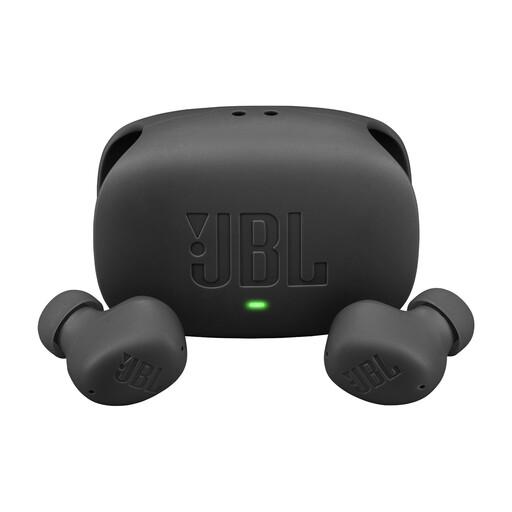
Why it suits this profile: Compact wireless earbuds with active noise cancellation, multipoint and a case for everyday travel and calls.
The product information lists IP54 for the earbuds and IPX2 for the case separately. This makes it clear that rain resistance is not the same as being suitable for submersion.
ANC, Smart Ambient, multipoint, IP54 for the earbuds and a stated total playback time of up to 40 hours with ANC switched off.
We have put together a complete, up-to-date list of products that fully meet these strict selection criteria and the applicable European safety regulations.
First, charge the earbuds and case. Then open your phone’s Bluetooth settings, put the earbuds into pairing mode and select the product name. If the connection does not work, remove any previous pairing and try again. With multipoint models, connect the second device according to the manufacturer’s instructions.
Their lifespan depends on charging cycles, temperature, volume, moisture and everyday care. Keep the earbuds in the case, clean the charging contacts and do not charge them in a damp environment. Reduced battery capacity is normal over time. Also check whether replacement earbuds or a new case are available.
That depends on the microphones, fit and surrounding noise. Models with multiple microphones and call noise reduction may, according to the product information, be designed for clearer conversations, but the actual experience varies by location. Test call quality indoors and outdoors before using a model for work calls every day.
