
Vandaag of morgen in huis

Kwaliteit gegarandeerd

Welkomstaanbiedingen ontgrendelen: GRATIS bezorging | Tot 80% korting | Gratis 30 dagen JoyPlus-proefperiode
Download de app
Wireless earbuds are ideal for music, calls, travel, exercise and everyday use. However, a long list of features does not automatically mean that a model is right for your situation. A low price may, for example, come with limited call quality, while a high battery-life claim may only apply when certain features are switched off.
Pay particular attention to the design, moisture protection, battery life and the way the manufacturer presents its specifications. Below, we outline the key points to consider, along with several wireless earbuds suited to different usage profiles.
Manufacturers often state battery life per earbud, with the charging case or in a specific listening mode. Active noise cancellation, high volume levels and frequent phone calls can affect actual usage time.
So, check:
A charging case is practical when you are out and about, but also check its capacity and dimensions. A larger case is less likely to fit comfortably in a trouser pocket.
ANC earbuds use active noise cancellation to reduce ambient sound electronically. The result depends on the fit, microphones, software and type of noise. Low, consistent sounds such as a train engine are generally handled differently from voices or sudden noises.
Claims such as “up to 46 dB noise cancellation” are product specifications or brand claims. According to Soundcore’s own research, the A30i can reach this level, but the experience varies from one user and environment to another. Think of ANC as an adjustable feature, not a guarantee of complete silence.
A transparency mode or ambient mode can be useful when you are walking outside or waiting at a station. You must still remain alert when taking part in traffic.
The fit affects not only comfort, but also sound isolation and stability. There are several types:
Open-ear and sports earbuds are therefore not automatically suitable for everyone. First, consider whether you need greater awareness of your surroundings, maximum isolation or, above all, a secure fit.
Bluetooth 5.3 or 5.4 is found in many recent Bluetooth earbuds. A newer version may offer benefits for power consumption and connectivity, but the final performance also depends on your smartphone, laptop or tablet. Also check whether features such as multipoint, low latency or specific audio codecs are supported by both devices.
An IP rating consists of numbers and sometimes an X. The X means that no protection level has been specified for that part. IPX4 generally indicates protection against splashing water, such as sweat or light rain. It does not mean that the earbuds can be submerged.
With water-resistant earbuds, you should also check the case. It does not always have the same level of protection as the earbuds. Dry the charging contacts before placing the earbuds back in the case. According to the product information, the Baseus Bowie MC1 is specifically described as not waterproof, making this model less suitable for rain or intensive exercise.
For earbuds for calls and music, the number of microphones and the noise-reduction technology used are relevant details. According to the product information, the Soundcore Liberty 4 NC has six microphones and ENC functionality. These are verifiable features, but they do not guarantee that your voice will remain equally clear in every windy or busy traffic situation.
Also consider the position of the microphones, compatibility with your phone and whether you can control the volume and calls using touch controls or buttons.
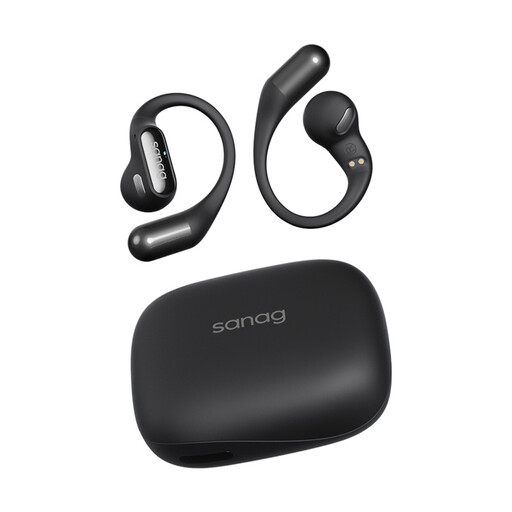
Why it suits this profile: The open-ear hook design leaves the ear canal clear and is aimed at running, cycling, fitness and everyday use.
The product information states a weight of approximately 5.6 grams per earbud and IPX4 protection. However, make sure you do not expect protection against submersion.
Bluetooth 5.3, touch controls, ENC for calls and a charging case with a stated total usage time of approximately 26 to 48 hours, depending on the mode.
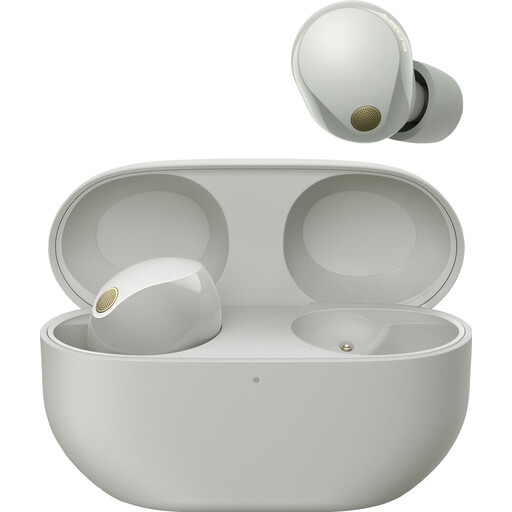
Why it suits this profile: This in-ear model is designed for users who value active noise cancellation, multipoint and support for multiple audio codecs.
The specifications list battery life separately with and without noise cancellation. This makes it easier to compare the battery claim with other models.
Bluetooth 5.3, LDAC, LC3, AAC and SBC support, multipoint and a stated total battery life of up to 24 hours with the case.
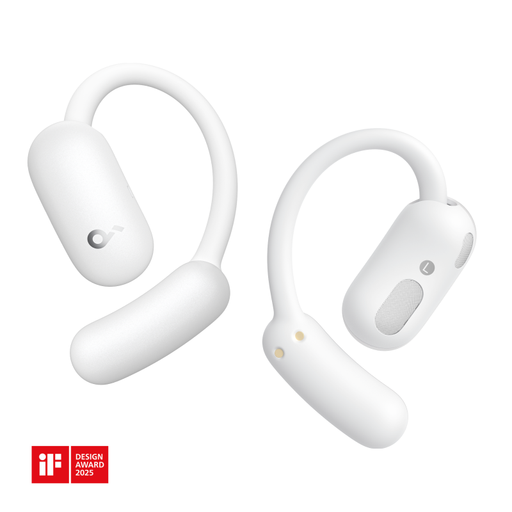
Why it suits this profile: The open-ear design is aimed at sport, calls, music and everyday use when you want to remain aware of your surroundings.
The stated IP55 rating offers greater protection against dust and water than IPX4, but it does not make the model suitable for swimming or submersion.
Bluetooth 5.4, two microphones, button controls, a charging station and a stated battery capacity of 750 mAh.
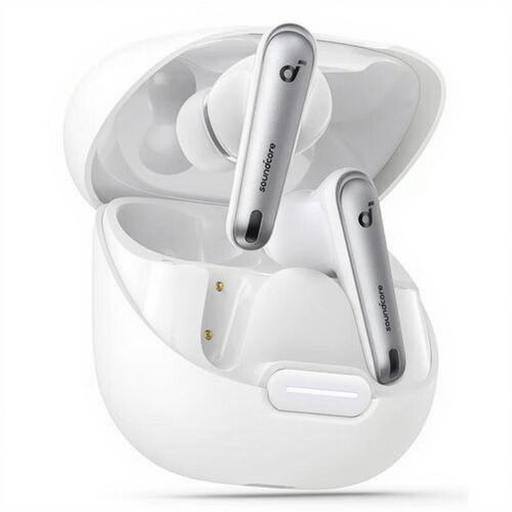
Why it suits this profile: The combination of an in-ear fit, ANC, microphones and charging case is well suited to commuting, music and phone calls.
The product details state both IPX4 and a playback time of 10 hours per charge. This makes the protection and battery life clearer than general terms such as “all-day”.
Bluetooth 5.3, LDAC profile, six microphones, touch controls, USB-C and a charging case included.
We have put together a complete, up-to-date list of products that fully meet these strict selection criteria and the applicable European safety regulations.
First, charge the earbuds and case. Then open the case or press and hold the pairing button until the earbuds appear. On your phone, go to Settings > Bluetooth, select the product name and confirm the pairing. Some models require a brand app for the equaliser, firmware updates or additional control functions.
Battery life per charge varies depending on the model and settings. Battery capacity decreases over time, particularly after many charging cycles and exposure to heat. Store the earbuds in the case, keep the charging contacts clean and charge them with a suitable USB-C cable. When buying, also check whether a separate case or replacement parts are available.
Active noise cancellation can reduce ambient noise. When cycling, this may be undesirable because you may hear traffic and other road users less clearly. Where possible, use an ambient mode, keep the volume low and follow the rules of the road. Open-ear earbuds generally let more ambient sound through, but even with these, you still need to remain fully attentive to the traffic.
