
Vandaag of morgen in huis

Kwaliteit gegarandeerd

Welkomstaanbiedingen ontgrendelen: GRATIS bezorging | Tot 80% korting | Gratis 30 dagen JoyPlus-proefperiode
Download de app
Wireless earbuds are useful for listening to music on the go, online meetings, studying and exercise. However, the range can often seem simpler than it really is. A low price may be tempting, but limited battery life, a poor fit or unclear water resistance can quickly lead to disappointment.
If you are buying wireless earbuds, it is therefore worth looking beyond the Bluetooth version or a promising marketing term. Pay particular attention to the following points.
A product may, for example, advertise “40 hours of battery life”. This often refers to the total playback time with a fully charged charging case. The earbuds themselves may last considerably fewer hours per charge.
Look out for the difference between:
For long train journeys or working days, earbuds with long battery life are practical. For short conversations and commutes, a compact model with fast charging may be sufficient.
Water resistance is usually indicated by an IP rating. IPX4, for example, protects against splashes and sweat, but not immersion. IPX5 is intended to protect against water jets under specific conditions. A rating such as IP57 offers a different level of protection against dust and temporary immersion.
Always check what the manufacturer says the rating is suitable for. According to the product information, the Sony WF-C510 and TALIX G1 are suitable for splashes or light rain, while the Baseus Bowie MC1 is explicitly described as not waterproof. Only charge a damp product once the charging contacts and port are dry.
Lightweight true wireless earbuds can be comfortable, but an unsuitable shape can remain irritating during calls, travel or running. In-ear models with different sizes of silicone ear tips generally create a different seal from clip-on or open-ear earbuds.
When choosing, consider:
When cycling or running, an open design can help ensure that traffic and other ambient sounds are not completely blocked out. Do not use earbuds in a way that reduces your attention while taking part in traffic.
Bluetooth 5.3, 5.4 or 6.0 mainly indicates the connection technology used. Your day-to-day experience also depends on your phone, tablet, operating system, distance and support for features such as multipoint.
Multipoint allows you to keep two devices connected, such as a laptop and smartphone. This is useful in the office. However, check that the feature is actually listed in the product specifications. A range of around 10 metres is often quoted in an open environment; walls and other wireless devices can reduce it.
With noise-cancelling earbuds, it is important to distinguish between active noise cancellation, passive sound isolation and ambient mode. ANC uses microphones and electronics to reduce certain surrounding sounds. Its effectiveness can vary from one situation to another.
Brands may attach their own measurements to this feature. According to MINISO’s own research, the MS106 is stated to offer adaptive noise cancellation of up to -50 dB. Treat this as a stated product specification, not a guarantee that every sound will disappear completely in every environment.
A transparency mode lets ambient sound through. This can be useful in the office or while out walking, but always check visually what is happening around you.
If you use your earbuds frequently for meetings or phone calls, pay attention to the number of microphones and the stated call noise reduction. More microphones do not automatically mean that every voice will sound clear.
The MINISO MS106 lists a six-microphone system for call noise reduction. According to the product information, the TALIX G1 has four microphones. The Sony WF-C510 is listed as having a built-in microphone. These details can help when comparing models, but the final call clarity also depends on wind, network connection and your surroundings.
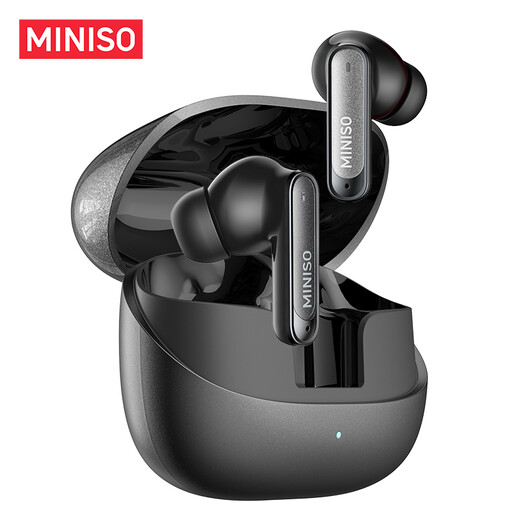
Why it suits this profile: This TWS model combines a built-in microphone, touch controls and a stated total battery life of 55 hours. That makes it suitable for everyday use, studying and commuting.
The description distinguishes between total battery life and fast charging: according to the product information, 10 minutes of charging should provide around 3 hours of playback. The IPX5 rating is intended for splashes and sweat, not swimming.
Bluetooth 6.0, 10mm driver, six microphones according to the product description, and a stated IPX5 rating.

Why it suits this profile: This model is aimed at users who place great value on customisation options, ANC, calls and integration with Galaxy devices.
The specifications state separate playback times with ANC switched on and off. IP57 is also listed; the safety information warns that this does not mean the product is suitable for swimming.
Bluetooth 6.1, six microphones, a two-way speaker system, adjustable equaliser and wireless charging.
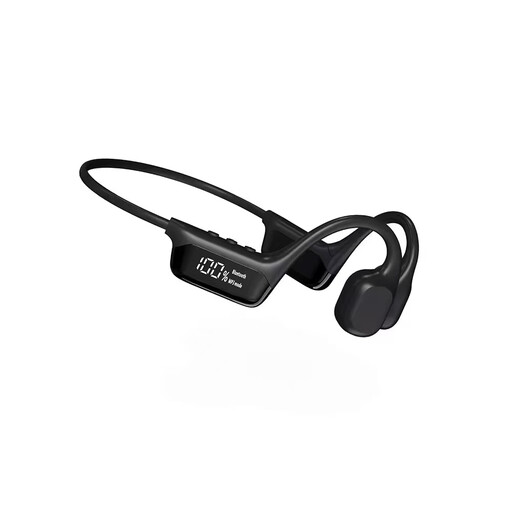
Why it suits this profile: The open-ear design and ear hook are intended for running, cycling, the office and other situations where you want to remain aware of surrounding sounds.
The product information describes an open-ear design and warns that the charging port must be completely dry before charging. Before swimming, check the correct mode and use the product in accordance with the instructions.
Bluetooth 5.3, a stated battery life of 8 hours, an ear-hook design and a swimming mode with an IP rating listed in the product specifications.
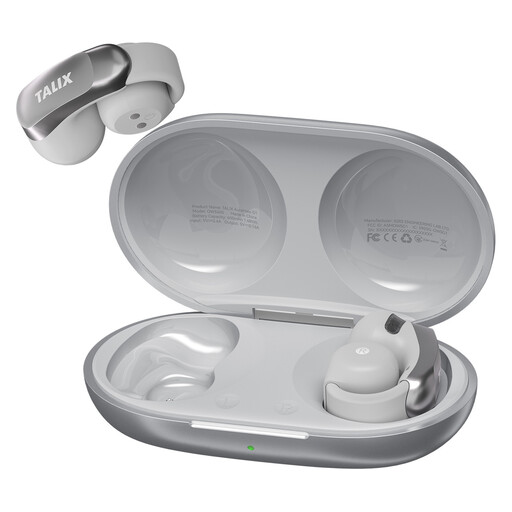
Why it suits this profile: The clip-on fit with a silicone ear hook is designed for users who want extra stability during fitness or their commute without a traditional in-ear design.
The stated IPX4 rating makes it clear that this offers protection against sweat and light rain, not immersion. The stated 7 hours per charge is separate from the total 28 hours with the case.
5.2 grams per earbud according to the product information, Bluetooth 5.3, four microphones and fast charging.
We have put together a complete, up-to-date list of products that fully meet these strict selection criteria and the applicable European safety requirements.
A few simple habits can extend their useful life:
Neckband wireless headphones can be an alternative if you do not want to lose your earbuds easily. For an open design, open-ear earbuds or bone-conduction earbuds are sensible categories to compare. Bear in mind that the sound experience and sound isolation differ from those of in-ear Bluetooth earbuds.
First, charge the earbuds and case. Then open your phone’s Bluetooth settings, remove the earbuds from the case or activate pairing mode, and select the product name. Check the manual if previous pairings need to be removed first.
Battery life per charge varies by model and usage settings. ANC, volume, calls and Bluetooth features all affect playback time. The overall lifespan of the product also depends on battery wear, charging habits, maintenance and exposure to moisture or heat.
That depends on the fit and IP rating. Sports earbuds with an ear hook or clip can provide extra stability during movement. Open-ear earbuds allow more ambient sound through, but they are no substitute for paying attention to traffic. Always check whether the model is only splash-resistant or offers a higher level of protection.
