
Vandaag of morgen in huis

Kwaliteit gegarandeerd

Welkomstaanbiedingen ontgrendelen: GRATIS bezorging | Tot 80% korting | Gratis 30 dagen JoyPlus-proefperiode
Download de app
Wireless earbuds are ideal for music, podcasts, video calls and commuting. Yet many models fall short in everyday use. For example, a long battery life may only apply with certain settings, while a high IP rating does not mean you can wear them swimming.
As a Joybuy Product Recommendation Officer, I filter the most important product information down to practical points. This helps you see which wireless earbuds suit your phone, how you use them and your budget.
Manufacturers often state the total playback time including the charging case. This is not the same as the usage time of a single earbud. Active noise cancellation, high volume and phone calls can also reduce playback time.
Pay attention to these three figures:
For example, JBL states that the JBL Wave Buds 2 offer up to 40 hours of playback with ANC switched off. According to the product specifications, you get up to 8 hours of music per charge. This difference matters if you travel frequently or expect to get through a long working day without recharging.
ANC earbuds use microphones and electronic processing to reduce certain background sounds. Low, continuous noises, such as the hum of a train engine, are generally handled differently from voices or sudden sounds. Performance also varies depending on the shape of your ears and the fit.
According to Apple, Adaptive Audio automatically adjusts the level of surrounding sound. Baseus states that the Bass EP10 Pro features adaptive hybrid ANC of up to -50 dB. These figures are brand claims; they do not guarantee that every sound will be filtered out at exactly the same level.
An IP54 or IPX5 rating indicates the type of dust or moisture a product can withstand under specific test conditions. It does not automatically mean that the earbuds are suitable for swimming or prolonged exposure to rain.
Also check whether the charging case has the same protection. According to the product information, the earbuds on the QCY Melobuds Neo are IPX5-rated, while the case must be kept dry. According to the safety information, the Baseus Bowie MC1 Open-Ear does not have a waterproof casing.
Almost all Bluetooth earbuds work with phones, tablets and laptops that support Bluetooth. However, features may vary between platforms. Apple AirPods are a natural choice for iPhone, iPad and other Apple devices. Samsung Galaxy Buds are particularly appealing to Galaxy phone and Android users.
Look out for:
According to the product specifications, the Baseus Bass EP10 Pro supports SBC, AAC and LDAC. The JBL Wave Buds 2 support multipoint and, according to JBL, can be connected to up to two devices at the same time. Before buying, check that your phone supports the features you want.
A case with USB-C is convenient because you often already use the same cable for a smartphone, tablet or laptop. Some models also support wireless charging. Fast charging is worth considering too, especially if you often forget to charge your earbuds.
Examples:
Brand specifications are generally measured under specific conditions. Use them as a point of comparison rather than a fixed expectation for every user.
True wireless earbuds are compact, but not every shape fits every ear. In-ear models with silicone tips can provide a better seal. Half-in-ear or open-ear earbuds let in more surrounding sound and may be more comfortable when you want to stay alert.
For sport, an ear hook, clip-on design or secure fit can be useful. Also check:
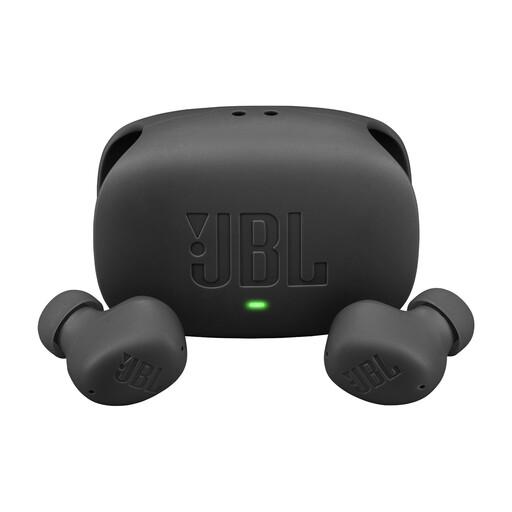
Why it suits this profile: This model combines ANC, an app with equaliser and multipoint with a practical USB-C case for everyday use.
The specifications distinguish between playback time per charge and total battery life. The IP54 rating is suitable for dust and splashes, not immersion.
Up to 8 hours of music per charge according to the product specifications, plus multipoint and Google Fast Pair.
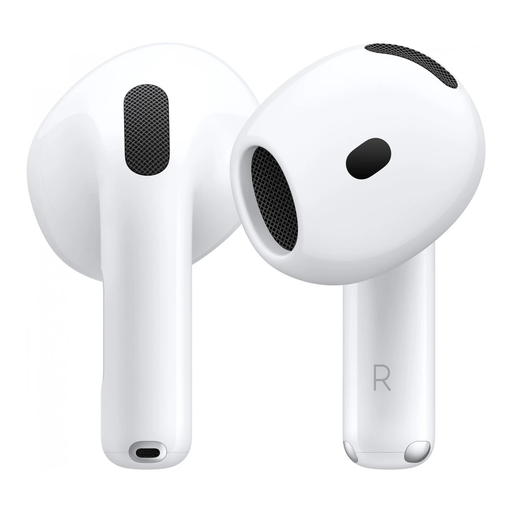
Why it suits this profile: This model is ideal for Apple users looking for ANC, transparency mode and easy control within the Apple ecosystem.
The product information lists the battery life of the earbuds separately from that of the case. According to Apple, the earbuds support Adaptive Audio and Conversation Awareness.
Bluetooth 5.3, USB-C, wireless charging and more than 30 hours of total playback according to the product description.
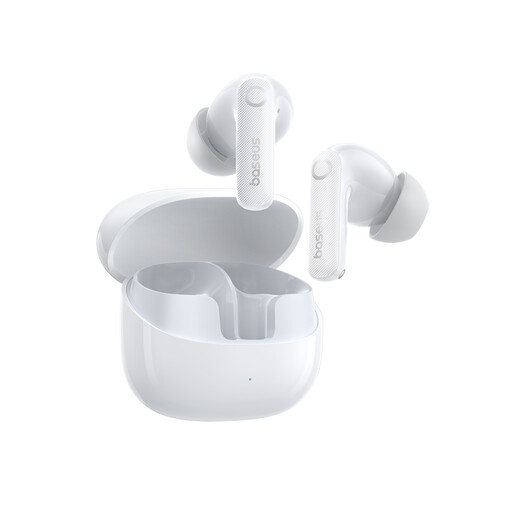
Why it suits this profile: The combination of long battery life, hybrid ANC and IP55 splash protection makes this model suitable for travelling, commuting and active everyday use.
The IP55 rating is not treated as equivalent to waterproofing. The stated 11 hours of listening time applies at 50% volume.
Bluetooth 5.4, USB-C, LDAC support and a stated charging time of approximately 1.5 hours.

Why it suits this profile: This model is designed for users who want to use features such as Auto Switch, 360 Audio and extensive equaliser settings within the Galaxy ecosystem.
The product information lists separate battery figures for ANC on and off. The IP57 rating is not an invitation to go swimming with them.
Bluetooth 6.1, two-way speakers, six microphones and wireless charging according to the product specifications.
We have put together a complete, up-to-date list of products that fully meet these strict selection criteria and the applicable European safety regulations.
Open the case, take out the earbuds and activate Bluetooth on your phone. Select the model name from the list of available devices. The next time you connect, this will usually happen automatically. If it does not work, put the earbuds back in the case and hold down the pairing button as described in the manual.
Battery capacity decreases over time. Lifespan depends on charging cycles, temperature, volume and storage. Keep the earbuds in their case, avoid heat and use a suitable USB-C charger. Replace the earbuds when the battery life or connection consistently no longer meets your needs.
ANC reduces background noise for the listener, but it is not the only factor that determines call quality. Also consider the number of microphones, the noise reduction used for calls and the user settings. For important calls, a quiet environment is still helpful. Do not use ANC or transparency mode in places where you need to continue hearing traffic and other warnings.
