
Vandaag of morgen in huis

Kwaliteit gegarandeerd

Welkomstaanbiedingen ontgrendelen: GRATIS bezorging | Tot 80% korting | Gratis 30 dagen JoyPlus-proefperiode
Download de app
Wireless earbuds are handy for music, podcasts, phone calls and commuting. However, a long list of features doesn’t always tell you what they’ll be like to use every day. A model with a high claimed battery life may be bulky or uncomfortable, for example, while a product with “noise cancelling” won’t necessarily block out all background noise.
So, watch out for these common pitfalls:
Look at three separate figures: playback time per charge, total playback time with the charging case, and charging time. A model offering 7 hours per charge may be enough for commuting. For long journeys, earbuds with longer battery life or Bluetooth headphones with a larger battery may be more convenient.
Check the connection type too. USB-C is now a practical standard, as you can often use the same cable for your phone, tablet and earbuds. Bear in mind that ANC usually affects playback time. The UGREEN HiTune Max5c, for example, lists 75 hours without ANC and 45 hours with ANC. These are product specifications; actual battery life may vary depending on volume, codec and connection.
The first letter or number indicates protection against solid particles, while the second indicates protection against water. IPX4 means protection against splashes, while IP54 also includes a dust protection rating. IPX5 is suitable for water jets under specific test conditions, but not for swimming.
Always check whether the rating applies to the earbuds, the case or both. The Redmi Buds 6 Play have an IPX4 rating for the earbuds only. The REDMI Buds 8 Active also have an IP54 rating for the earbuds only. Don’t charge a damp case or USB-C port straight away.
ANC earbuds use active noise cancellation to reduce background noise electronically. This usually works best with constant sounds, such as the rumble of a train or plane. Voices, sudden noises and wind may still be audible. Transparency mode, on the other hand, lets in surrounding sounds, which is useful when you’re walking along the street.
For wireless in-ear headphones, check which codecs are supported too. SBC is widely compatible, while AAC can be a practical option for many phones. LDAC offers a higher transfer rate according to the product specifications, but your phone and playback app must support it as well.
For wireless earbuds with a microphone, the number of microphones and the noise reduction technology are useful details to check. Claims such as “filters out 90% of background noise” should be understood as claims based on the brand’s own testing, not as a guaranteed result in every environment.
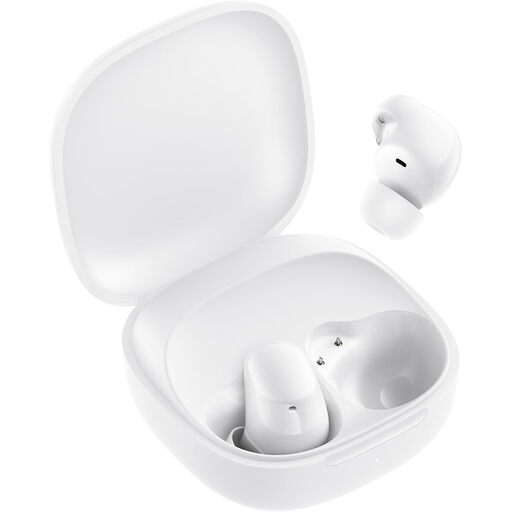
Why it suits this profile: A lightweight TWS model for everyday listening, podcasts and short phone calls, with no complicated settings to worry about.
The product specifications list 7.5 hours per charge and 36 hours with the case separately. The IPX4 rating applies to the earbuds only, making the water resistance limitation clear.
3.6 grams per earbud, Bluetooth 5.4, USB-C and a 10 mm dynamic driver.
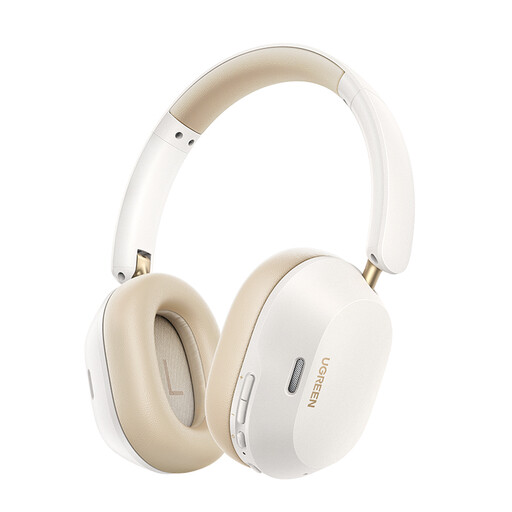
Why it suits this profile: Over-ear Bluetooth headphones for travelling, working from home and longer listening sessions where isolation and battery life matter.
Playback time is listed both with and without ANC. The headphones are also not water-resistant, so they’re less likely to be mistaken for a sports model.
40 mm driver, support for AAC, SBC and LDAC, an app with an equaliser and transparency mode.
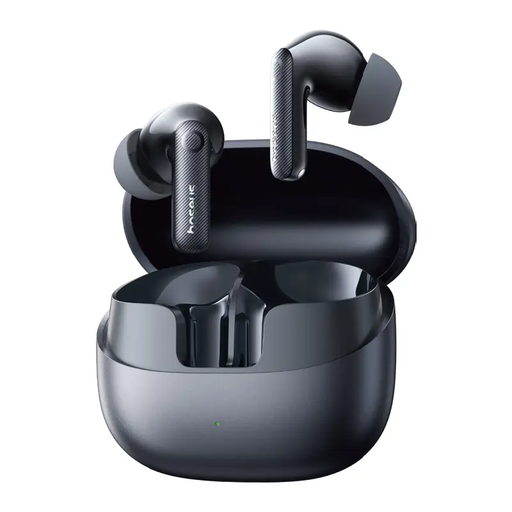
Why it suits this profile: A good fit for users who want ANC, longer listening time and call support for commuting or light exercise.
The specifications list around 11 hours per charge at 50% volume and 55 hours with the case. IP55 means splash- and dust-resistance, but the earbuds aren’t designed to be submerged.
Adaptive hybrid ANC, six microphones, LDAC support and USB-C.
We’ve put together a complete, up-to-date list of products that meet these strict selection criteria and current European safety regulations.
Open the charging case, switch on Bluetooth on your phone and select the earbuds’ name from the list. You may need an app for your first connection to access the equaliser, firmware updates or extra features. If pairing doesn’t work, remove the previous Bluetooth connection and put the earbuds back in the case.
Their lifespan depends on charging cycles, temperature, volume, moisture and day-to-day care. Clean the earbuds with a soft, dry cloth and don’t let dirt build up in the speaker openings. Charge them according to the instructions and don’t use a damaged cable or case. It’s normal for the capacity of built-in batteries to decrease over time.
Not necessarily. Check the exact IP rating and the accompanying instructions. Many sports earbuds can withstand sweat or splashes, but that doesn’t mean they’re suitable for swimming or prolonged submersion. Protect the charging case too, as it often has a lower water-resistance rating or none at all.
