
Vandaag of morgen in huis

Kwaliteit gegarandeerd

Welkomstaanbiedingen ontgrendelen: GRATIS bezorging | Tot 80% korting | Gratis 30 dagen JoyPlus-proefperiode
Download de app
Wireless earbuds are handy when you’re out and about, at the office, travelling or exercising. But a long battery life or a claim such as “noise cancelling” doesn’t tell you everything about the listening experience. A pair might sound great but keep slipping out, for example. Or the earbuds might work perfectly with your phone but be awkward to switch between your laptop and smartphone.
As a Joybuy Product Recommendation Officer, I look at the key product specifications and practical details. This helps you compare marketing claims with what you actually need.
A manufacturer might state the play time on a single charge, while elsewhere on the product page it gives the total battery life including the charging case. So always check:
A pair that offers 10 hours of play time per charge may be enough for everyday use. For long journeys, the total capacity of the case is especially important.
Active noise cancelling, also known as ANC, uses electronics to reduce background noise. Standard in-ear earbuds mainly block the ear canal physically. This is often called sound isolation.
Be aware of the difference between:
According to Soundcore’s own research, the A30i can block up to 46 dB of noise. Treat this as a brand claim based on specific conditions, not a guarantee for every environment. Results may vary on a train, in the office or outdoors.
An in-ear model with lots of features isn’t automatically comfortable. The shape of your ears, the weight of the earbuds and the ear tips included all affect how securely they fit. Check whether the product comes with several sizes of ear tips. This is particularly important for sports earbuds or if you wear them for several hours at a time.
Bluetooth 5.3 or Bluetooth 5.4 can provide a stable connection and efficient power use, but your experience also depends on your phone, laptop and software. Also check whether multipoint is supported if you regularly switch between your work computer and smartphone.
If you use an Android or Samsung device, check that it’s compatible with the app you use. Features such as an equaliser, firmware updates or switching between devices may depend on the brand’s app.
The number of microphones is useful to know, but it doesn’t tell you on its own how clearly your voice will come through. Microphone placement, wind filtering and software also play a part. If you often have meetings or make calls, look for earbuds with a microphone and check their call features.
A model with four or six microphones has more potential for voice processing on paper. According to the manufacturer’s own research, Soundcore uses algorithms on certain models to make calls clearer. This is still a brand claim, so check user feedback and the returns policy too.
The IP code shows what a product is protected against according to its stated rating. IP54 means, among other things, protection against dust particles and splashes. IPX5 is designed to protect against water jets, but not immersion. IPX4 indicates splash resistance.
An IP rating doesn’t make earbuds suitable for swimming. Sweat, rain, seawater and cleaning products may also affect them differently from laboratory conditions. Dry the earbuds after use and store them in the case.
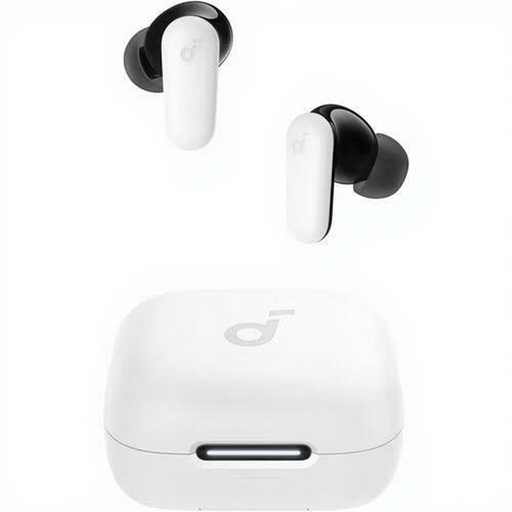
Why it suits this profile: This model combines Bluetooth 5.4, touch controls and a charging case in a simple wireless design for music and calls.
The specifications list the battery life of up to 10 hours, the charging case and the USB-C connection separately. The IP54 rating also gives you a clear guide to everyday use.
Bluetooth 5.4, four microphones, USB-C and up to 10 hours of play time according to the product specifications.

Why it suits this profile: This model is designed for users who value ANC, extensive audio features and integration with Galaxy devices.
The product information gives separate play times with ANC on and off. It also details the IP57 rating, six microphones and support for USB-C and wireless charging.
Two-way speakers, ANC, six microphones, IP57 and up to 30 hours of total play time according to the stated specifications.
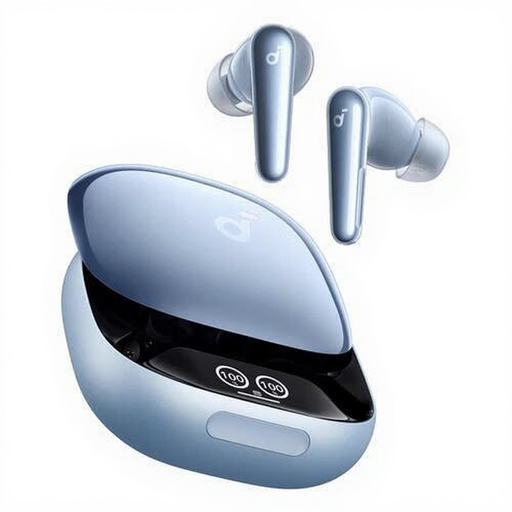
Why it suits this profile: The combination of TWS, six microphones, extra ear tips and IPX5 makes this a good fit for people who make calls, exercise and listen to music every day.
The IPX5 rating isn’t presented as full waterproofing. The extra ear tips included can also help you adjust the fit.
Up to 10 hours of play time, six microphones, dynamic drivers, touch controls and a USB-C charging case.
Bluetooth isn’t essential for everyone. USB-C earbuds such as the Samsung EO-IC100 connect directly to devices without a wireless connection, as long as they support USB-C audio. Wired models don’t need a battery, making them a good backup pair or a practical choice for long listening sessions.
3.5mm earbuds such as the Skullcandy Jib and JBL Tune 210 are also handy for laptops, tablets, MP3 players and devices with a headphone socket. Check which connection your phone has first, though. You may need an adapter, and not all adapters support microphone controls.
We’ve put together a full, up-to-date list of products that meet these strict selection criteria and the applicable European safety regulations.
First, charge the earbuds, then open your phone’s Bluetooth settings and select the model name. With some brands, you can then install the relevant app to access controls, updates and sound settings. If the model doesn’t appear, remove any old Bluetooth pairing.
Battery life depends on charging cycles, volume, temperature and storage. The batteries are built in and may hold less charge over time. Store the earbuds in the charging case, avoid extreme heat and use a suitable USB-C charger. Avoid listening at high volume for long periods to protect your hearing.
Noise cancelling reduces background noise and can affect how well you hear traffic. So don’t wear earbuds while cycling in situations where you need to hear traffic. Always follow the Dutch Highway Code and put safety before listening comfort.
