
Vandaag of morgen in huis

Kwaliteit gegarandeerd

Welkomstaanbiedingen ontgrendelen: GRATIS bezorging | Tot 80% korting | Gratis 30 dagen JoyPlus-proefperiode
Download de app
Wireless earbuds are handy for listening to music, making calls, working, studying and travelling. But it can be difficult to compare deals properly. A low price tells you little about comfort, battery life or call quality. Terms such as “Hi-Fi”, “noise cancelling” and “waterproof” are not always used consistently either.
Use these practical checks to quickly find out which Bluetooth earbuds suit the way you use them, and which features are mostly marketing talk.
A manufacturer may add together the battery life of the earbuds and charging case. This can make a model seem to last much longer than it actually does on a single charge. Always check:
For example, the Baseus Bass EP10 Pro is listed as offering around 11 hours per charge at 50% volume and up to 55 hours with the charging case. These are different measurements, and they don’t guarantee the same battery life at higher volumes.
IP ratings show what kind of exposure a product is protected against. IPX4 is designed to protect against splashes and sweat, while IPX5 offers protection against water jets under certain test conditions. Neither rating means you can submerge the earbuds or swim with them.
Water-resistant earbuds are practical for sports and cycling, but only put them away in their case once they’re dry. The Bose QuietComfort models, for example, have an IPX4 rating, while the MINISO MS106 and HTC NE33 are listed as IPX5.
ANC earbuds use active noise cancellation to reduce background noise. This can be useful on the train, in the office or on a flight. However, it doesn’t automatically make music sound more detailed, and it can drain the battery faster.
Also look for a transparency mode, such as Aware mode on certain Bose earbuds. This lets you hear what’s going on around you without taking your earbuds out. Turn noise cancellation off when you need to hear traffic, cyclists or warnings clearly.
Bluetooth 5.3, 5.4 or 6.0 isn’t just about the version number. Check which features matter to you:
If you make calls often, don’t just look at the number of microphones. ENC is designed to reduce background noise during calls, while ANC is mainly intended to reduce what you hear. Wind, traffic and a busy office can still affect how clearly you’re heard.
A model with several microphones may look appealing on paper, but check whether the product description gives clear information about compatibility and call features too. Earbuds with a microphone are suitable for everyday calls, online meetings and voice messages, but performance can vary depending on your surroundings.
True wireless earbuds have no cables at all. That’s practical, but a poor fit can lead to weak bass, pressure in your ears or an insecure fit while exercising. So check:
If sound quality is your priority, Hi-Fi earbuds with EQ adjustment or support for a high-quality codec may be worth considering. An open-ear design, such as the Bose Ultra Open Earbuds, doesn’t block the ear canal. This helps you hear your surroundings, but it also means more background noise can get through.
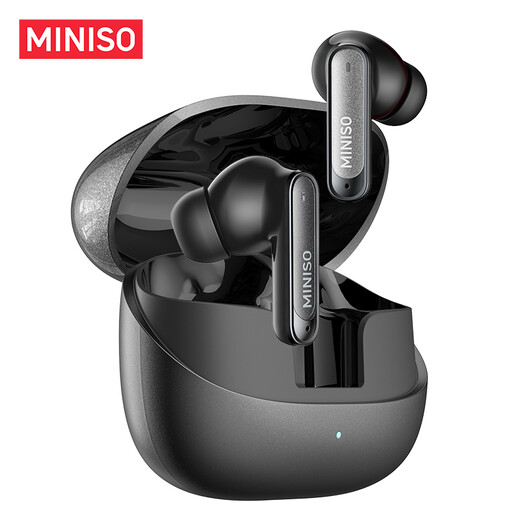
Why it suits this profile: A versatile entry-level model for music, studying, commuting and phone calls. The product information lists Bluetooth 6.0, TWS, a built-in microphone and total battery life of up to 55 hours.
The specifications list both the battery life and the IPX5 rating. According to the product information, the model also has customisable touch controls and fast charging.
10mm dynamic driver, IPX5 water resistance, six microphones according to the product description, and a stated weight of 3.9 grams per earbud.
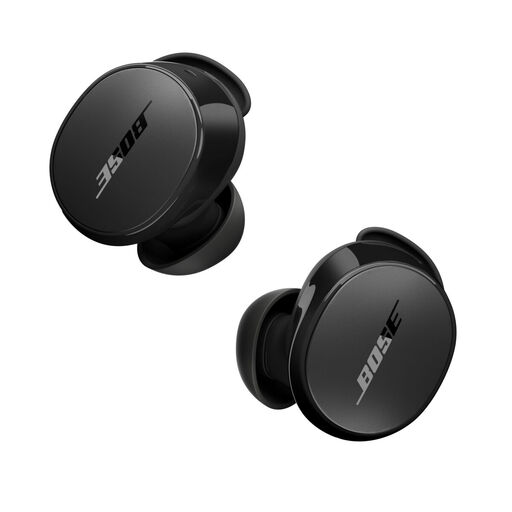
Why it suits this profile: Designed for people who value active noise cancellation, app settings and a comfortable in-ear fit for travel, work and everyday listening.
The product description lists both Quiet and Aware modes. This lets you adjust noise cancellation rather than always using the same setting.
ANC, the Bose Music app with 5-band EQ, IPX4 and a stated playback time of up to 8.5 hours per full charge.
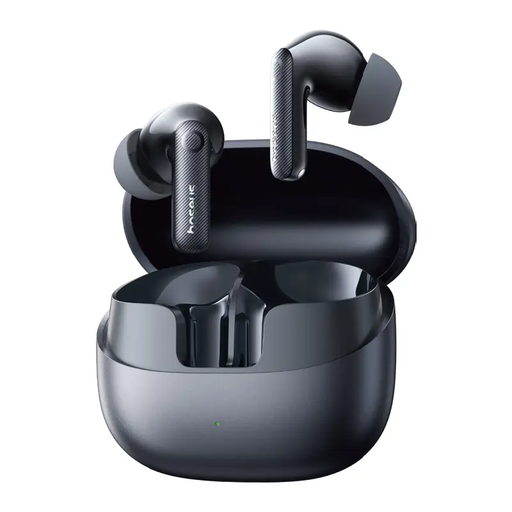
Why it suits this profile: A practical choice for long working days, train journeys and intensive everyday use, thanks to its combination of ANC, long stated battery life and LDAC support.
The product information distinguishes between around 11 hours per charge and 55 hours including the case. IP55 is also listed, but the earbuds still aren’t suitable for submersion.
Bluetooth 5.4, SBC/AAC/LDAC, hybrid ANC of up to 50 dB according to the product information, six microphones and USB-C.
We’ve put together a complete, up-to-date list of products that fully meet these strict selection criteria and current European safety regulations.
Charge the earbuds first, open the case and activate pairing mode. Then go to Settings > Bluetooth on your phone and select the product name. If your model has its own app, install it after making the initial connection, unless the instructions specify a different order.
Their lifespan depends on charging cycles, moisture, heat, volume and everyday use. Store them in their case in a dry place, clean the charging contacts carefully and don’t use a damaged battery. Stated battery life is a product specification based on certain conditions, not a guaranteed duration for every user.
That depends on the fit, IP rating and your surroundings. If you’re running near traffic, a transparency mode or open-ear design may be a better choice. For sports earbuds, check whether the manufacturer specifies sweat and splash resistance. Don’t use ANC when you need to keep hearing traffic or other warnings.
