
Vandaag of morgen in huis

Kwaliteit gegarandeerd

Welkomstaanbiedingen ontgrendelen: GRATIS bezorging | Tot 80% korting | Gratis 30 dagen JoyPlus-proefperiode
Download de app
Wireless earbuds are handy for listening to music, making calls, commuting and exercising. Yet many models appear more alike on paper than they are in everyday use. For example, a long battery life may refer to the earbuds and charging case combined. A Bluetooth version on its own also says little about comfort or call quality.
So pay attention to the specifications that suit the way you use them. Below, you’ll find out which features matter, which claims should be treated with some caution and which wireless earbuds are best suited to different user profiles.
A figure such as 40, 55 or 60 hours usually refers to the earbuds and charging case combined. Always check:
A short charging time is particularly useful when you want to use the earbuds just before a train journey, meeting or workout.
An IP rating indicates the conditions against which a product is protected according to the stated standard. IPX4, for example, means protection against splashing water, while IPX5 indicates protection against water jets from certain directions. Neither rating makes a model suitable for submersion.
Also check the difference between the earbuds and the charging case. With some models, only the earbuds are resistant to sweat or light rain. Do not charge a damp product immediately, and do not use water-resistant earbuds while swimming.
Active Noise Cancelling (ANC) uses microphones and electronics to reduce surrounding noise. Its effectiveness depends on factors including the fit, the type of sound and the settings. Low, consistent sounds such as train or aeroplane noise are generally a different scenario from people talking.
Claims such as “up to -50 dB” or “blocks 99.7% of surrounding noise” come from product marketing. According to the brand’s or supplier’s own research, such figures may have been established under specific conditions. Treat them as product specifications rather than a guarantee for every usage situation.
Bluetooth 5.3, 5.4 or 6.0 can contribute to a stable connection and lower energy consumption, but compatibility remains more important than the version number alone. Check that the earbuds work with your smartphone, tablet and laptop. Multipoint, or a similar feature, is useful if you want to switch between a phone and computer.
For gaming, low latency is relevant. The Edifier X1 Lite, for example, lists a 60 ms low-latency mode. This can reduce the delay between picture and sound, although the final experience also depends on the device and the app being used.
In-ear earbuds partially seal the ear and can therefore provide a secure fit and passive sound isolation. Choosing the right ear tip size is more important than simply opting for a lightweight design. Models with several silicone tip sizes offer more ways to adjust the fit.
If you find pressure in the ear canal uncomfortable, consider half-in-ear or open-ear models. A clip-on design, as found on certain sports models, can provide additional support while you are moving without requiring a traditional in-ear fit.
For calls, the number of microphones and the noise-reduction technology used are relevant considerations. A product description may refer, for example, to multiple microphones or AI noise cancellation. According to the brand’s own research, this may improve speech clarity in specific noisy conditions; actual call quality also depends on wind, the network connection and the phone.
Also look at the supported audio codecs, such as SBC, AAC or LDAC. Not every phone supports every codec. For everyday listening, fit, a stable connection and a well-adjusted equaliser are often just as important.
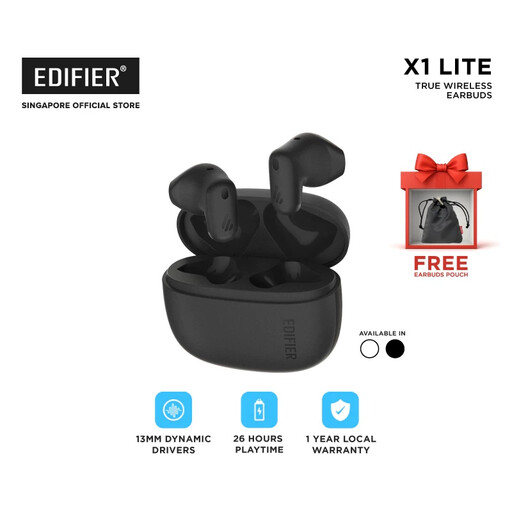
Why it suits this profile: This model is designed for everyday listening, calls and light exercise. According to the product information, each earbud weighs 4 grams and works with Android and iOS via Bluetooth.
The product information states both the playback time per charge and the contribution of the charging case. This makes it easier to compare the battery claim with those of other true wireless earbuds.
Bluetooth 5.4, IP54 rating, USB-C and a 60 ms low-latency mode, as stated in the product information.
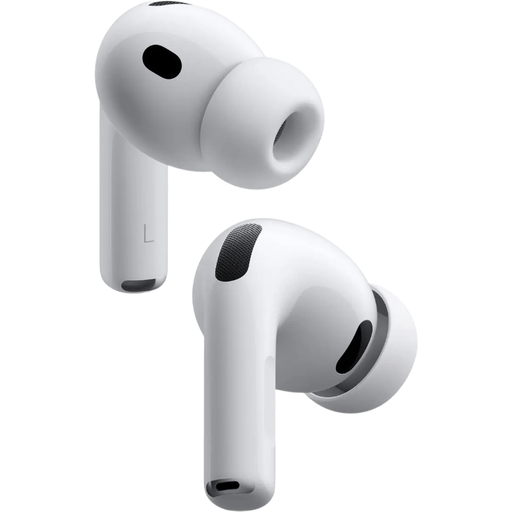
Why it suits this profile: Apple users who place a high value on integration, multiple fit options and features for music, films and calls will find a comprehensive package here.
The five included silicone tip sizes help you fine-tune the fit. The stated battery life is also listed separately for use with noise cancellation and transparency mode.
Bluetooth 5.3, active noise cancellation, spatial audio, microphone and IP57 rating according to the product details.
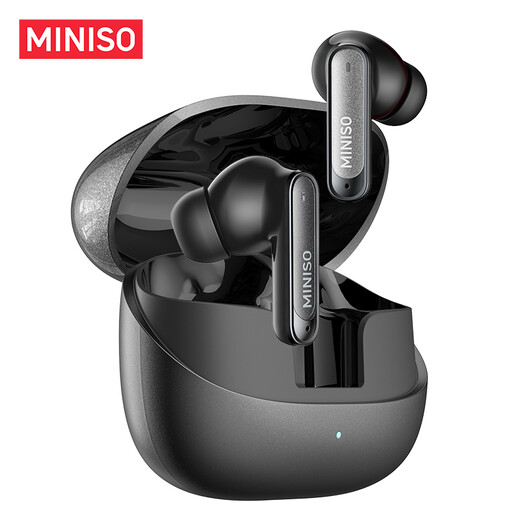
Why it suits this profile: This model is designed for users looking for earbuds for the office, studying, commuting and exercise, with an emphasis on battery life and calls.
The product information distinguishes between total battery life and the fast-charging feature. The IPX5 rating means protection against water jets, not submersion.
According to the product information, up to 55 hours of total battery life, 10 minutes of charging for up to 3 hours of playback and six microphones for call noise reduction.
We’ve put together a complete, up-to-date list of products that fully meet these strict selection criteria and the applicable European safety regulations.
Open the charging case or take the earbuds out and activate Bluetooth on your phone. Select the product name from the list of available devices. With some models, the initial pairing is carried out through an app, such as the Sony or Edifier app. Check the manual if one earbud does not connect; putting it back in the case and pairing again may resolve the issue.
Usage time per charge varies by model and settings. ANC, volume, codec and phone calls all affect battery life. The built-in lithium battery also gradually wears out. Store the earbuds in the charging case, avoid heat and charge them with a suitable USB-C charger. Do not use the earbuds at high volume for extended periods and take regular breaks.
Do not use active noise cancellation in situations where you need to hear traffic, warnings or other surrounding sounds. For cycling, a transparency mode or open-ear design may be more practical, but always remain alert. Also check the local traffic regulations and do not use earbuds if they reduce your control of the bicycle.
