
Vandaag of morgen in huis

Kwaliteit gegarandeerd

Welkomstaanbiedingen ontgrendelen: GRATIS bezorging | Tot 80% korting | Gratis 30 dagen JoyPlus-proefperiode
Download de app
Wireless earbuds are handy for listening to music, making calls, travelling, exercising and working from home. But a long list of features means little if they’re uncomfortable to wear, the battery life doesn’t match everyday use or the water-resistance rating is misunderstood.
Watch out for these common pitfalls:
Most Bluetooth earbuds use a Bluetooth profile for listening to music and making calls. Bluetooth 5.3, 5.4 or 6.0 mainly tells you about the connection standard; on its own, it doesn’t guarantee better sound or a longer range.
Also check for:
For a gaming headset, the connection also matters. A 2.4GHz dongle may offer different latency from Bluetooth with certain computers and consoles. Check that the connection method you want is compatible with your device.
Check two figures: the playback time of the earbuds themselves and the total playback time with the charging case. A model with long battery life is useful for commuting, studying and travelling, but always compare figures based on the same testing method.
Fast charging can come in handy if you often forget to charge your earbuds. Also check whether a USB-C cable is included and how long a full charge takes. Don’t leave lithium batteries in extreme heat unnecessarily, and use suitable charging accessories.
For sports earbuds, a secure fit and an appropriate IP rating are often more important than extra audio features. According to Sony’s product information, IPX4 protects against splashes, but isn’t intended for submersion. Baseus lists IP55 splash resistance for the Bass EP10 Pro; that doesn’t make it a swimming headset.
An open-ear model can be comfortable for running because it doesn’t cover your ears completely. Over-ear Bluetooth headphones usually have larger ear cups and a headband, but take up more room when travelling. For long listening sessions, weight, cushioning and adjustability are therefore worth checking.
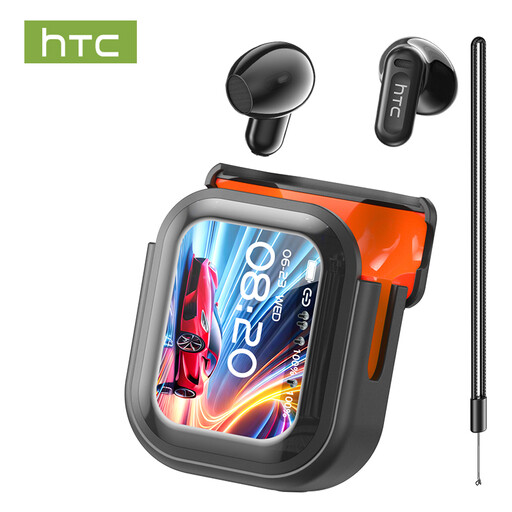
Why it suits this profile: This TWS model is designed for everyday listening, calls, work, study and exercise. The LED indicator on the charging case shows the charging status.
The product information lists Bluetooth 5.4, touch controls and a built-in microphone. It advises checking the specific water-resistance rating before exposing the earbuds to water.
Bluetooth 5.4, LED charging indicator, touch controls and microphone. According to the product description, a translation feature is available through a compatible mobile app.

Why it suits this profile: These over-ear Bluetooth headphones are well suited to long listening sessions, travelling and working from home. According to the product description, the headband and ear cushions are designed for extended wear.
The stated battery life is up to 60 hours. The product information also makes clear that this model isn’t water-resistant, so you won’t accidentally use it as sports headphones.
Up to 60 hours of playback, adaptive noise cancellation, Transparency Mode, four microphones and Bluetooth. A wired connection is also listed.
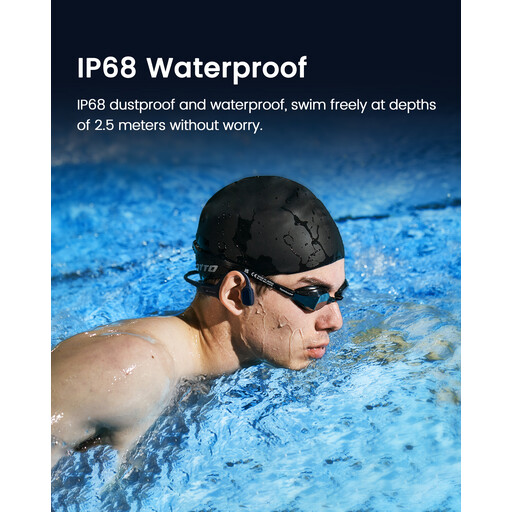
Why it suits this profile: The open-ear design with bone conduction is intended for workouts, running and other activities where you don’t want to be completely cut off from your surroundings.
An open-ear model means you don’t have to rely solely on passive isolation or ANC. If you plan to use it while swimming, be sure to check the exact water-resistance information before buying.
Open-ear bone conduction, Bluetooth, microphone and built-in 32 GB MP3 storage, according to the product name.
We’ve put together a complete, up-to-date list of products that meet these strict selection criteria and current European safety regulations.
Charge the earbuds and case first. Then open your phone’s Bluetooth settings, put the earbuds into pairing mode and select the correct product name. If your model has an app, you may find extra settings, firmware updates or equaliser features there.
Battery capacity decreases over time, depending on charging cycles, temperature and use. Store the earbuds in their charging case, avoid prolonged exposure to heat and don’t use damaged cables. In practice, playback time is usually shorter when ANC, phone calls or high volume are used continuously.
ANC earbuds can reduce surrounding noise, making you less aware of traffic. Don’t use them while cycling, driving or in other situations where you need to hear traffic clearly. For outdoor exercise, an open-ear model may be a better choice, depending on your surroundings and local rules.
