
Vandaag of morgen in huis

Kwaliteit gegarandeerd

Welkomstaanbiedingen ontgrendelen: GRATIS bezorging | Tot 80% korting | Gratis 30 dagen JoyPlus-proefperiode
Download de app
Wireless earbuds are useful for commuting, making calls, exercising and listening to music. However, the range can be difficult to compare. A low price may be tempting, but an average fit, short battery life or limited water resistance can lead to disappointment later on.
As a Joybuy Product Recommendation Officer, I filter the key product specifications out of the marketing language. This helps you see which features are genuinely relevant to your situation before you buy.
A manufacturer may quote a long total playtime that includes the charging case. That is different from the playback time of a single earbud. Active noise cancellation, high volume levels and phone calls also affect battery life.
Pay attention to these three figures:
A model offering 6 hours per charge may be sufficient for everyday use. For long train journeys or flights, long-battery-life earbuds or wireless headphones with a larger battery may be more practical.
The IP rating consists of two numbers or letters. The first part refers to dust, while the second refers to water. IPX5, for example, indicates protection against water jets, but not necessarily against immersion. The charging case may also have a lower rating than the earbuds.
So check:
For running, sports earbuds with protection against sweat and splashes may be suitable. If you genuinely want to listen in the pool, you need a model whose product information clearly states that it can be used in water.
ANC earbuds use microphones and electronics to reduce background noise. This can be useful on the train or in the office, but ANC does not automatically make every detail in your music sound better. The fit, speaker driver, codec and tuning also play a role.
According to information provided by the brands concerned, features such as adaptive noise cancellation, spatial audio and personalised sound profiles can affect the listening experience. Treat such claims as product features, rather than a guaranteed result for every user.
With in-ear earbuds, silicone tips seal the ear canal. A good fit can affect bass reproduction and passive sound isolation. Check whether multiple ear tip sizes are included. According to the product information, the Apple AirPods Pro 3 come with five sizes of silicone ear tips. The Bose QuietComfort Ultra Earbuds come with three sizes of ear tips and stability bands.
Open-fit models may feel more airy, but they provide less isolation from surrounding noise. For exercise, an ear hook, neckband or additional stability band can help prevent an earbud from coming loose.
Bluetooth 5.3 or 5.4 mainly indicates the generation of the connection. The actual experience also depends on your phone, software and supported audio codecs. If you switch between a laptop and smartphone, look for multipoint or similar features.
For Apple users, features within the Apple ecosystem may be relevant. Samsung users may benefit from automatic switching between Galaxy devices. Android users should check whether the associated app is available and which features work without the app.
A USB-C charging port is now practical for everyday use, as many smartphones, tablets and laptops use the same cable. Some models also support wireless charging. Check whether a cable is included and how long a full charge takes.
Bear in mind that a quoted “up to” figure is a maximum achieved under specific conditions. For a fair comparison, look at the stated playtime both with and without noise cancellation.
For earbuds for calls and music, multiple microphones and some form of call noise reduction can be useful. However, quality also depends on wind, street noise, the network connection and the phone itself. Read the product description carefully and look for features such as multipoint, the number of microphones and transparency mode.
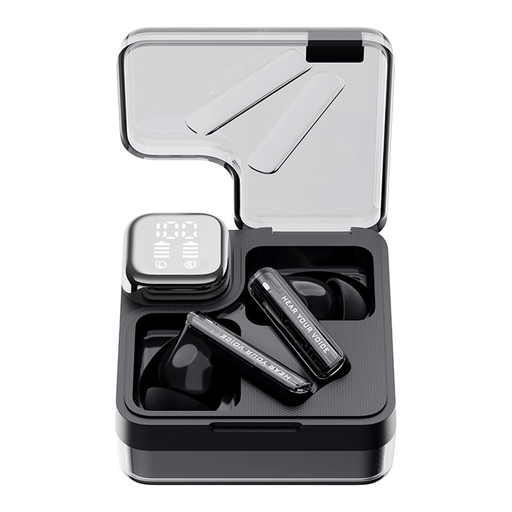
Why it suits this profile: This model combines True Wireless functionality with ANC, an app and a USB-C charging port for everyday use.
The specifications separately state approximately 6 to 7 hours of playtime and around 28 hours with the case. IPX5 is also specified, rather than making a general claim about waterproofing.
Bluetooth 5.3, 10mm dynamic drivers, ANC plus ENC for calls, and a low-latency mode.
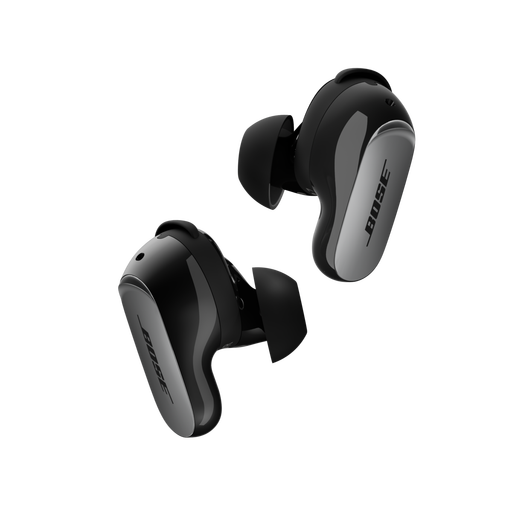
Why it suits this profile: Suitable for users who prioritise ANC, adjustable sound and comfort while travelling or working.
The product information specifies a separate Aware mode, an IPX4 rating and up to 6 hours of playback. This makes the usage limits clearer than a vague water-resistance or battery-life claim.
Bluetooth 5.3, CustomTune sound calibration, multipoint pairing, and USB-C plus wireless charging for the case.
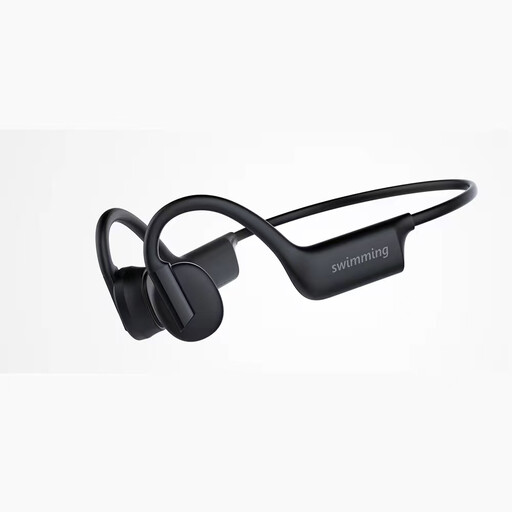
Why it suits this profile: An option for swimming and sports when onboard storage and a high water-resistance rating are important.
The information specifies IPX8, but limits use to fresh water and swimming-pool water. The magnetic charging contacts must be completely dry before charging.
32 GB of internal memory, Bluetooth, a stated maximum battery life of 8 hours and an ear-hook design.
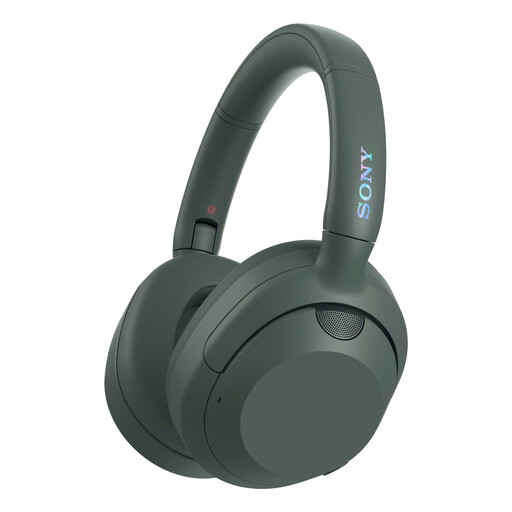
Why it suits this profile: An over-ear model for travelling, working from home and long listening sessions without the pressure of in-ear earbuds.
The product details distinguish between up to 50 hours without and 30 hours with noise cancellation. A 3.5mm connection is also available.
Over-ear design, active noise cancellation, multipoint for two devices and USB-C fast charging according to the product description.
We have compiled a complete, up-to-date list of products that fully meet these strict selection criteria and the applicable European safety regulations.
First, decide how you will use them most:
Do not use noise cancellation in situations where you need to hear traffic or warning sounds. Also avoid listening at high volume for extended periods. The product information and user manual remain the main sources of guidance for safe use, charging and maintenance.
Open the charging case or switch on the earbuds, then turn on Bluetooth on your smartphone. Select the product name from the list of available devices. With models that have an app, you can then set up additional features such as the equaliser, touch controls or firmware updates.
Playtime per charge varies depending on the model and settings. Battery capacity decreases over time, particularly after many charging cycles, exposure to high temperatures and prolonged use when fully discharged. Store your earbuds in the case, keep the charging contacts clean and avoid extreme heat.
Charging costs are generally low, but ANC can drain the battery more quickly. This means you may need to charge them more often. The main ongoing costs usually arise only when you need to replace the ear tips, charging case or entire product. Before buying, check whether accessories are available and review the warranty terms.
