
Vandaag of morgen in huis

Kwaliteit gegarandeerd

Welkomstaanbiedingen ontgrendelen: GRATIS bezorging | Tot 80% korting | Gratis 30 dagen JoyPlus-proefperiode
Download de app
Wireless earbuds are great for music, calls, travel, work and exercise. However, a long list of features doesn't automatically mean a model will suit your needs. A low price can be tempting, but the fit might disappoint you. Terms like "noise cancelling", "AI calls" and "long battery life" aren't always measured in the same way either.
In this buying guide from the Joybuy Product Recommendation Officer, we compare the practical features of Bluetooth earbuds. Our recommendations are based on the stated product specifications, such as battery capacity, IP rating, Bluetooth version and design type.
A stated playtime often applies to a specific volume and particular settings. With noise cancelling earbuds, the battery life can also be lower when ANC is switched on. Always check the difference between:
A case with a high total number of hours is practical, but only if the earbuds themselves last long enough for your working day or journey.
An IPX4 or IP54 rating is designed for limited exposure to splashes of water or sweat. That doesn't make a model suitable for swimming or prolonged use in heavy rain. IPX5 offers more protection against water jets according to the product classification, but submersion is still usually ruled out.
So when looking at sports earbuds, don't just focus on "water-resistant" in the title – check the actual IP rating and safety information.
Active noise cancellation (ANC) works on ambient noise while you're listening. Microphones with noise reduction for calls focus on the clarity of your voice during phone conversations. A model can therefore have good call specifications without offering ANC.
According to the brand or seller's own claims, features like "AI noise reduction" or "adaptive ANC" can help in certain situations. The actual experience depends on factors including fit, environment, phone and software.
In-ear true wireless earbuds partially seal the ear canal. This can help deliver fuller sound and passive noise isolation, but not everyone finds silicone tips comfortable.
An ear hook or clip-on design often stays more stable during walking and fitness activities. Do check whether the frame feels comfortable for extended wear. Open-ear earbuds, such as clip models, let ambient sound through more easily. This can be useful during your commute, but the sound may feel less enclosed in a noisy environment.
Bluetooth 5.3, 5.4 or 6.0 mainly tells you about the connection technology. The actual experience also depends on your smartphone, codecs and software. For everyday use, a stable pairing and simple controls are often more important than just the highest Bluetooth number.
Multipoint means earbuds can stay connected to two devices at the same time. This is handy when you're switching between, say, a laptop and smartphone. Check that this feature is actually listed in the product specifications.
Wireless earbuds almost always come with a case that recharges them on the go. Look out for USB-C, wireless charging, fast charging and the stated capacity. A quick fast-charge can be useful when you're short on time before heading out.
For daily use, a model offering around 6 to 8 hours per charge is often sufficient. If you take long train journeys or are frequently on the move, you'd be better off looking for a case with a higher total battery life.
An IP rating consists of numbers and letters. The first digit generally covers protection against solid particles, and the second covers water. IPX4, IP54, IPX5 and IP57 are not all the same. So read the manufacturer's full warnings.
Do not use earbuds while cycling, driving or during other activities where you need to hear ambient sounds. Also, avoid listening at high volume for long periods.

Why This Fits Their Persona: An accessible choice for music, podcasts, study and daily commuting. According to the product information, each earbud weighs 4 grams.
The stated battery life is broken down into 7 hours per charge and 26 hours with the case. The IP54 rating is also clearly listed.
Bluetooth 5.4, low latency of 60 ms, USB-C and an app for settings.

Why This Fits Their Persona: Aimed at users looking for an in-ear model with ANC, extensive sound settings and pairing within a Galaxy ecosystem.
The product specification distinguishes 6 hours with ANC from 7 hours without ANC. This makes the stated battery life easier to assess.
2-way speakers, 6 microphones, IP57 and support for wireless charging. Claims about sound quality come from the product information.
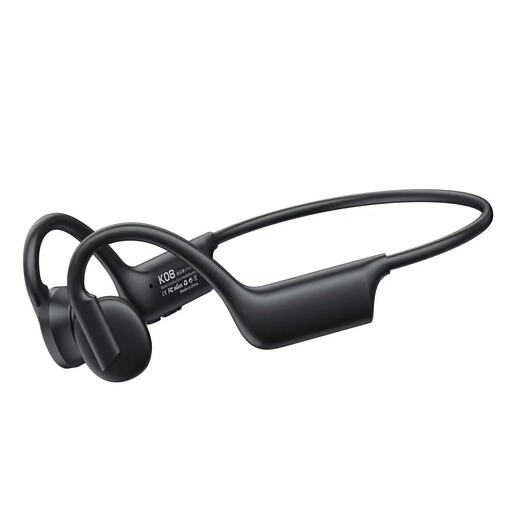
Why This Fits Their Persona: An ear hook model for running, cycling or walking where you don't want to be completely cut off from your surroundings.
The ear hook helps keep them securely in place by design. The product information also warns against prolonged exposure to water, so this is not a model for swimming.
Bone conduction design according to the product description, approximately 8 hours of stated battery life and multipoint support.
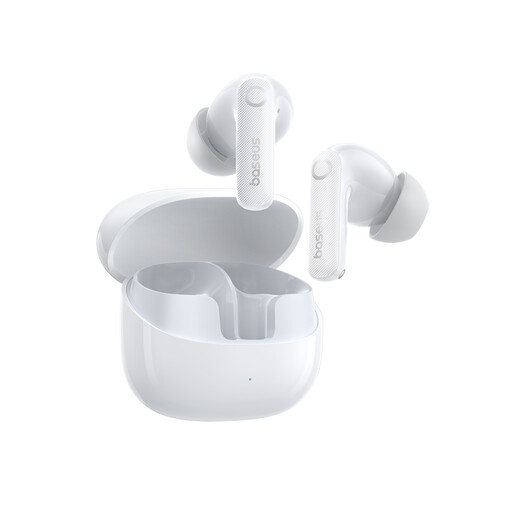
Why This Fits Their Persona: For travellers, home workers and listeners who primarily want ANC, multiple codecs and long listening time.
The product specifications state a listening time of 11 hours at 50% volume and also clearly indicate the IP55 splash resistance.
According to the product information: adaptive hybrid ANC up to -50 dB, Bluetooth 5.4, LDAC support and 6 microphones.
We have compiled a complete, real-time list of products that fully satisfy these strict selection criteria and UK safety regulations.
First, charge the earbuds and put them into pairing mode. Then open Bluetooth on your smartphone and select the product name. Some models require an app for the equaliser, firmware or touch controls. Remove an old Bluetooth pairing if the connection doesn't establish automatically.
The battery life per charge for many models is around 3.5 to 11 hours, depending on volume and features. The overall lifespan of the product depends on charging cycles, storage, moisture and temperature. Store your earbuds in a dry place, charge them with a suitable USB-C cable and gently clean the contact points.
That depends on how you use them. If you travel frequently or work in a busy office, you may benefit more from ANC, multipoint and better microphones. For podcasts, occasional calls or home use, Bluetooth earbuds without ANC may be perfectly adequate. So compare the features you'll actually use, rather than just counting the marketing claims.
