
Vandaag of morgen in huis

Kwaliteit gegarandeerd

Welkomstaanbiedingen ontgrendelen: GRATIS bezorging | Tot 80% korting | Gratis 30 dagen JoyPlus-proefperiode
Download de app
Wireless earbuds are handy for commuting, online meetings, studying and exercise. However, a long list of features does not always tell you how they perform day to day. For example, a model with active noise cancellation may be less suitable for cycling, while a sports model with a high IP rating is not automatically comfortable to wear.
The right choice mainly depends on fit, water resistance, battery life, call quality and awareness of your surroundings. Below, we cover the main pitfalls, technical specifications and some popular options for different uses.
The IP code indicates how well a product is protected against dust and water. IPX4, for example, means protection against splashes and sweat, but not immersion. These Bluetooth earbuds are suitable for fitness, commuting and light rain, but not for swimming.
IPX5 indicates protection against water jets. This still does not automatically mean you can swim with them. Models with IP67 or IP68 are better suited to more intensive contact with water, but always check the product instructions. Salt water and chlorine can also damage charging contacts and casings.
Noise-cancelling earbuds use technology to reduce background noise. How well they work varies depending on the design, fit and surroundings. According to information provided by some brands, the noise reduction may reach a specific level under certain conditions, but this is not a guarantee for every user.
For cycling or running, open-ear headphones may be more practical. Your ear canal remains uncovered, allowing you to stay more aware of traffic and other sounds around you. Always use audio at a volume that allows you to remain alert and follow the rules of the road.
A stated battery life of, for example, 28, 30 or 55 hours often includes the extra capacity of the charging case. So, look at two figures:
Features such as ANC, phone calls and high volume can reduce actual battery life. Fast charging is particularly useful if you often give your earbuds short top-ups throughout the day.
In-ear earbuds partially seal the ear canal. This can be helpful for music and calls on a busy train, but not everyone finds the pressure comfortable. A good set comes with different sizes of ear tips or has an adjustable hook.
Open-ear headphones rest next to or around the ear and leave the ear canal uncovered. This is useful for runners, walkers and cyclists who want to remain aware of sounds around them. An open design may provide less isolation and less powerful bass than in-ear models.
With bone conduction headphones, sound is transmitted through vibrations around the ear. Pay particular attention to the fit, maximum battery life and water rating. For swimming, you will also often need built-in storage or an MP3 function, as Bluetooth works only to a limited extent underwater.
Bluetooth 5.3, 5.4 or 6.0 can contribute to a stable connection and efficient power consumption. The overall experience also depends on your smartphone, tablet or laptop. A greater Bluetooth range stated on the packaging does not mean that walls or busy wireless environments will have no effect.
For everyday use, TWS earbuds are practical: both earbuds work independently and are stored in a charging case. Check whether the controls use buttons or touch. Physical buttons can help prevent accidental touches during exercise.
If you make frequent calls, it is worth paying attention to the number of microphones and the noise reduction used for calls. A claim such as “crystal-clear calls” comes from the brand’s product communications, so also check user reviews and the returns policy.
AAC and SBC are common Bluetooth audio codecs. Some wireless headphones also support LDAC. This may be relevant for compatible Android devices, but the source, settings and connection determine how much difference you can hear.
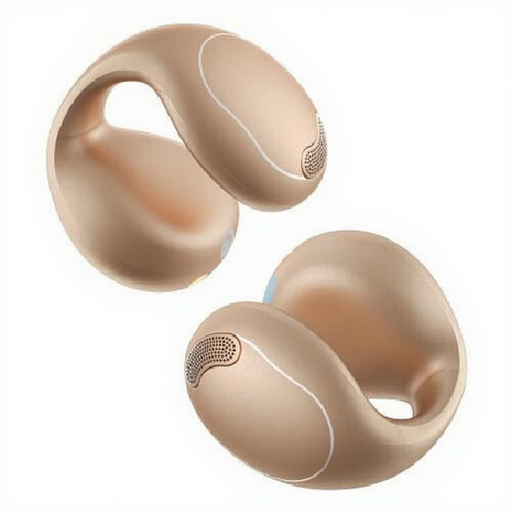
Why it suits this profile: This open-ear model is designed for calls, music, exercise and everyday use. The buttons are useful when you want to pause quickly or adjust the volume while on the move.
The IPX4 rating makes it clear that this model is suitable for sweat and splashes, not swimming. This helps you set realistic expectations for its water resistance.
Bluetooth 5.4, two built-in microphones, an open-ear design and an included charging station.

Why it suits this profile: This in-ear model is aimed at users who want to combine music, calls and adjustable audio features with a compact fit.
The specifications list play time separately with ANC switched on and off. IP57 also means protection against splashes and dust, not swimming.
Two-way speakers, six microphones, ANC, USB-C and wireless charging according to the product description.
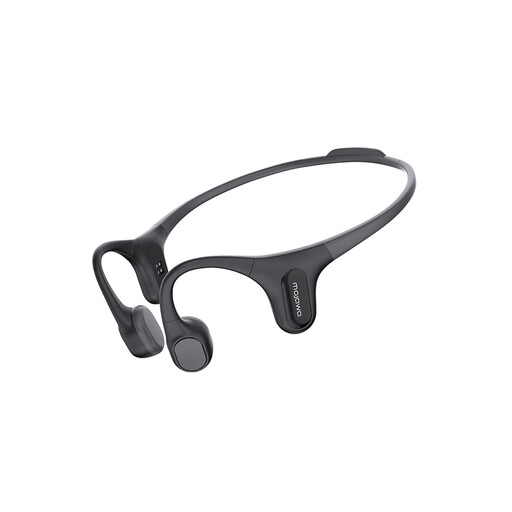
Why it suits this profile: These open-ear bone conduction headphones are designed for running, cycling, fitness and swimming. The built-in storage is useful when Bluetooth cannot be used in the water.
The stated IP68 rating and 32 GB of storage are suited to more intensive use. Only charge the device once it is completely dry.
Bone conduction design, 32 GB of built-in storage and IP68 according to the product information.
We have put together a complete, up-to-date list of products that fully meet these strict selection criteria and the applicable European safety regulations.
Charge the earbuds first and put them into pairing mode. Then open your phone’s Bluetooth settings, select the product name and confirm the connection. If it does not work, remove the old pairing and try again. Also check that the earbuds are not already connected to another device.
Their lifespan depends on battery use, charging cycles, moisture and care. Play time per charge may decrease over time. A charging case, sturdy hinges and replaceable ear tips can make everyday use more practical. Do not store lithium batteries in extreme heat and stop using them if they swell or overheat.
For running, open-ear models, earhook earbuds and sports earbuds with at least splash protection are often suitable. For swimming, you need a model whose manufacturer explicitly supports use underwater. Bluetooth works only to a limited extent underwater, so choose a model with built-in storage if necessary and follow the guidance for fresh, salt and chlorinated water.
