
Vandaag of morgen in huis

Kwaliteit gegarandeerd

Welkomstaanbiedingen ontgrendelen: GRATIS bezorging | Tot 80% korting | Gratis 30 dagen JoyPlus-proefperiode
Download de app
Wireless earbuds are handy when you’re out and about, working from home, exercising or listening to music every day. However, it’s easy to pay too much for features you’ll hardly use. Marketing often focuses on long battery life, powerful noise cancelling or a high IP rating, while making the conditions and limitations less clear.
Look out for these three common pitfalls:
Long-battery-life earbuds are usually advertised with two figures: playback time for the earbuds on their own and total playback time with the charging case. For commuting, seven to eight hours per charge may be enough. If you travel for longer, you may place more value on the case’s total capacity.
Also check:
According to the product specifications, the Redmi Buds 6 Play offer up to 7.5 hours per charge and up to 36 hours with the case. The case has a USB-C port. This makes them a suitable choice for regular daily use, without needing to charge them every evening.
The IP code indicates the conditions a product is protected against. The letter X means that no specific dust-protection rating is given for that part. It’s best to interpret the water-protection rating in practical terms:
The rating doesn’t always apply to the charging case, either. For the Redmi Buds 6 Play, IPX4 applies only to the earbuds; the case isn’t water-resistant. So only connect a USB-C cable when the port is dry.
A newer Bluetooth version can help provide an efficient, stable connection, but your experience also depends on your smartphone, laptop and software. Bluetooth 5.4 is found in several modern models. Also check which codecs are supported:
For music, driver size and tuning matter, but a larger driver doesn’t guarantee better sound on its own. With earbuds for music and everyday use, a good fit, the right ear tip size and an app with an equaliser are often just as important.
If you make a lot of calls, check how many microphones the earbuds have and how the manufacturer describes call noise reduction. Terms such as “AI noise reduction” aren’t based on a uniform technical standard. Treat them as a product feature, not a guarantee of performance.
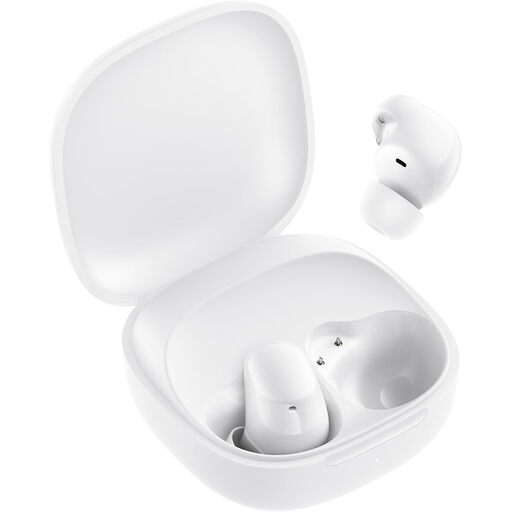
Why they suit this profile: A straightforward choice for podcasts, music, travel and phone calls, without paying extra for advanced ANC features.
The battery life and IPX4 rating are clearly stated. Bear in mind that only the earbuds are splash-resistant, not the case.
Bluetooth 5.4, USB-C, 10mm dynamic driver, 7.5 hours of playback per charge and 36 hours with the case.

Why they suit this profile: Designed for users who value extensive settings, ANC and integration with compatible Galaxy devices.
The product specifications list playback time separately with ANC on and off. IP57 applies to the earbuds; swimming isn’t recommended.
2-way drivers, ANC, six microphones, Bluetooth 6.1, USB-C, wireless charging and up to 30 hours of total playback without ANC.
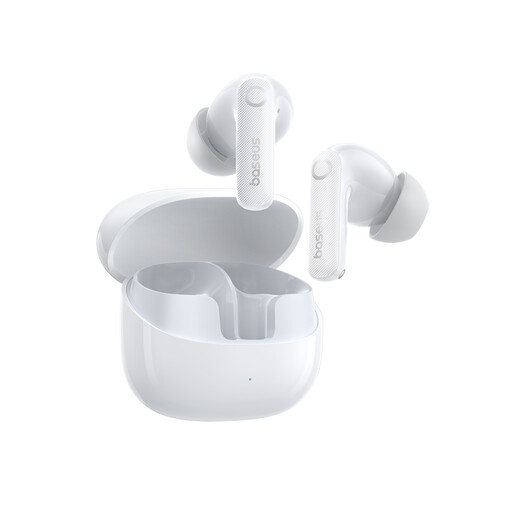
Why they suit this profile: A compelling option for commuters, sports enthusiasts and people who make calls and want to combine ANC, multiple codecs and longer playback time.
The specifications list IP55 for splash resistance. That’s not the same as being fully waterproof: avoid submerging the earbuds and make sure the USB-C port is dry.
Bluetooth 5.4, SBC/AAC/LDAC, USB-C, up to 11 hours of listening time according to the product information and a stated total battery life of 55 hours.
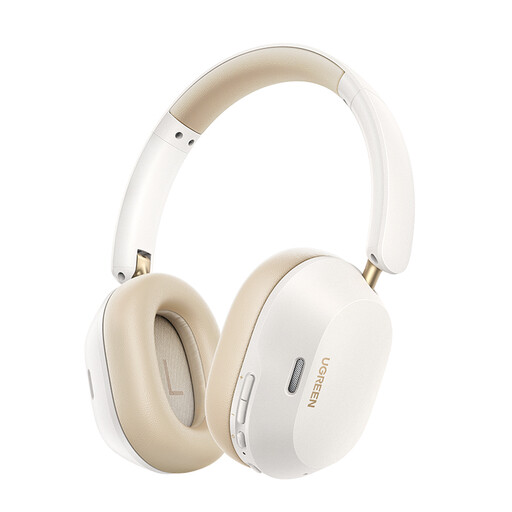
Why they suit this profile: Wireless headphones for train journeys, flights, working from home and anyone who prefers not to wear in-ear earbuds.
The specifications state battery life both with ANC on and off. The headphones aren’t water-resistant, so they’re less suitable for rainy weather or intensive exercise.
Bluetooth 5.4, 40mm drivers, USB-C, AAC/SBC/LDAC support and, according to the product information, 45 hours with ANC on or 75 hours with ANC off.
We’ve put together a full, up-to-date list of products that meet these strict selection criteria and the applicable European safety regulations.
First, charge the earbuds and case. Then open your smartphone’s Bluetooth settings, open the case or activate pairing mode, and select the product name. If the model has an app, you can then adjust the firmware, equaliser and touch controls. If the connection doesn’t work, remove the old Bluetooth profile and try again.
Battery life depends on battery capacity, charging habits, volume and temperature. The battery gradually degrades, so playback time may decrease over time. Don’t leave the case in extreme heat or cold for extended periods, and use a suitable USB-C charger. Clean the earbuds regularly with a soft, dry cloth.
ANC is primarily designed to reduce background noise while you’re listening. For calls, microphones and call noise reduction are more important. When cycling, driving or crossing the road, ANC can make you less aware of traffic. In these situations, use transparency mode or remove your earbuds when you need to hear the sounds around you.
