
Vandaag of morgen in huis

Kwaliteit gegarandeerd

Welkomstaanbiedingen ontgrendelen: GRATIS bezorging | Tot 80% korting | Gratis 30 dagen JoyPlus-proefperiode
Download de app
Wireless earbuds are convenient for music, podcasts, calls and commuting. However, a long list of features does not always tell you much about everyday use. For example, a model may promise many hours of battery life, but last for less in practice when noise cancelling is active. Earbuds with a high water-resistance rating may also be unsuitable for swimming.
The most important question, therefore, is not which features a product has, but which characteristics suit the way you use it. Below, you’ll find the most common pitfalls, the specifications you should check and some popular options for different listening profiles.
Manufacturers often state the total playtime, including the charging case. That figure is not the same as the playtime of a single earbud. Battery life can also vary depending on:
Always compare both the playtime per charge and the total time with the case. Fast charging is particularly useful if you’re often on the go. Also check which cable is included and whether wireless charging is supported.
IPX4 means protection against splashing water in practice, such as light rain or sweat. IPX5 offers protection against water jets under specific conditions. Neither rating means that you can submerge the earbuds.
Also pay attention to the difference between the earbuds and the charging case. They may each have a different IP rating. After use, store water-resistant earbuds somewhere clean and dry. Do not use the case in a damp environment unless the manufacturer specifies that it is protected against moisture.
Wireless earbuds with noise cancelling can reduce ambient noise, but performance varies by model and situation. Low, continuous sounds such as train or aircraft noise are generally easier to filter than voices or sudden sounds.
Claims such as “98.5% noise cancellation” or “up to -50 dB” depend on the measurement method, fit and surroundings. According to the brand’s own research, such figures may have been established under specific test conditions. Do not therefore regard them as a guaranteed result in every situation. A transparency mode is important when you’re walking outdoors or want to hear an announcement.
Fit affects not only comfort, but also sound isolation and ANC performance. In-ear models seal the ear with a silicone ear tip. Check whether several sizes are included. A fit that is too loose can cause earbuds to fall out while cycling or exercising; a fit that is too tight may become uncomfortable during longer listening sessions.
An open design, such as that used in certain Sony LinkBuds models, allows more ambient sound through. This is practical when walking, working or exercising, but less suitable for a busy train when you’re looking for maximum sound isolation.
Check the Bluetooth version, multipoint support and compatibility with your phone or laptop. Multipoint means that you can connect two devices at the same time, such as a laptop and smartphone. This is useful if you want to answer a call quickly while working.
For wireless earbuds used for calls, the number of microphones and wind-noise reduction are relevant considerations. However, they do not tell you everything about voice clarity. According to brands’ own product information, algorithms and multiple microphones can improve call quality; the final experience also depends on wind, traffic noise and the position of the earbuds.
Look at the battery life of each earbud as well as the capacity of the charging case. USB-C is now a practical standard for charging. Keep true wireless earbuds in the case when you are not using them and clean the ear tips regularly with a soft, dry cloth.
Do not listen at high volume for extended periods. Start at a low level and take breaks. Do not use earbuds while driving or cycling when you need to hear ambient sounds for safety.
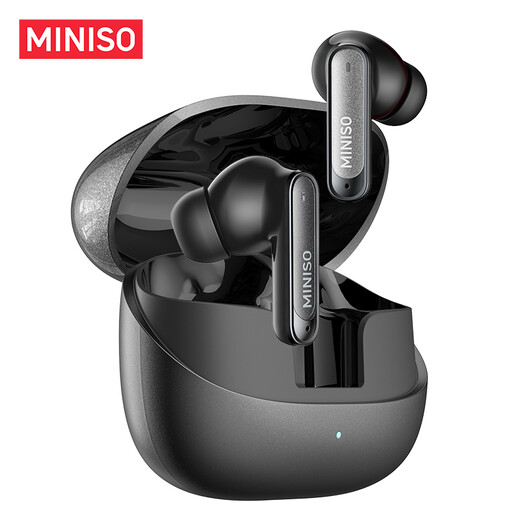
Why it suits this profile: A practical choice for everyday listening, the office, studying and sport, with a compact true wireless design and IPX5 rating according to the product information.
The product information states up to 55 hours of playtime with the case, as well as fast charging. Check which usage mode this figure applies to when buying.
10 mm driver, six microphones according to the product description, IPX5 and USB-C fast charging.

Why it suits this profile: Designed for listeners who value extensive settings, ANC and features for music and calls.
The product description mentions seven sensors and adaptive noise cancellation. Treat this as a product specification, not a guarantee of the same level of noise reduction in every environment.
Up to 10 hours per charge according to the product information, up to 40 hours with the case, six microphones and USB-C.
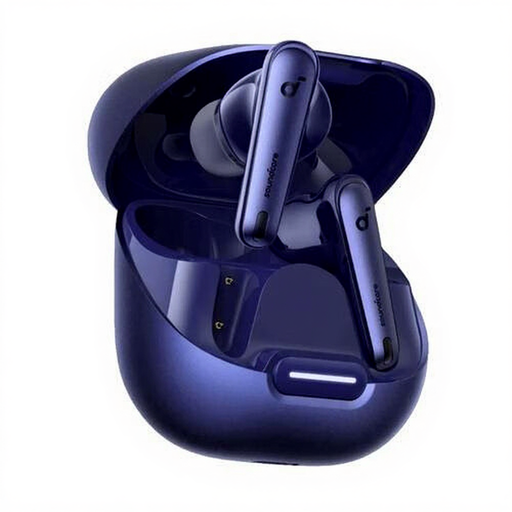
Why it suits this profile: An in-ear model for commuting and long listening sessions, when ANC, Bluetooth 5.3 and a charging case are desired.
The specifications state 10 hours of playtime per charge and IPX4. This makes it clear that splash resistance is not the same as being waterproof.
Bluetooth 5.3, six microphones, ANC and a USB-C charging case according to the product details.
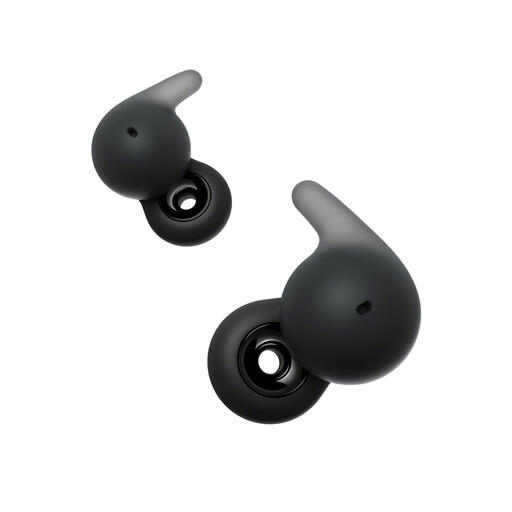
Why it suits this profile: The open design is intended for people who want to continue hearing sounds from their surroundings while walking, working or exercising.
The open construction prevents you from buying an ANC model when you actually want to remain aware of your surroundings. IPX4 is suitable for splashes, not submersion.
Bluetooth 5.3, multipoint connectivity, 22 hours of total battery life according to the description and a weight of 4.8 grams per earbud.
We’ve compiled a complete, up-to-date list of products that fully meet these strict selection criteria and the applicable European safety regulations.
Open the charging case, activate Bluetooth on your smartphone and select the model name from the list of devices. When pairing for the first time, you may need to put the earbuds into pairing mode manually. Consult the manual if only one earbud connects.
Their lifespan depends on charging cycles, usage, storage and maintenance. The battery loses capacity over time, as with other devices containing an integrated lithium battery. Do not store the earbuds discharged for extended periods, avoid extreme temperatures and keep the charging contacts clean.
The electricity costs of charging are generally limited. The main differences are the purchase price, battery replacement and lifespan. A model with a charging case, USB-C and a good fit can be practical, but when buying, also consider the warranty, returns policy and availability of replacement accessories.
