
Vandaag of morgen in huis

Kwaliteit gegarandeerd

Welkomstaanbiedingen ontgrendelen: GRATIS bezorging | Tot 80% korting | Gratis 30 dagen JoyPlus-proefperiode
Download de app
Wireless earbuds may look alike, but they can differ significantly in comfort, battery life, call quality and moisture protection. A low price can be tempting, but an uncomfortable fit or poor microphone may mean you rarely use them. Marketing terms such as “spatial audio”, “AI noise cancellation” and “waterproof” only tell you so much unless you know which technical specifications they refer to.
Use this buying guide to compare wireless earbuds, Bluetooth earbuds, open-ear models and wired alternatives based on verifiable product information.
The stated playback time may refer to the earbuds and charging case combined. That’s different from playback time on a single charge. Volume, active noise cancellation and phone calls all affect how long they last in real-world use.
So, check:
Active noise cancellation, often referred to as ANC, uses microphones and electronics to reduce background noise. With passive sound isolation, silicone earbuds physically seal the ear canal. Open-ear models work differently: you can still hear your surroundings, but they generally provide less isolation.
Claims about a specific number of decibels, for example, come from the product information or the brand’s own testing. Treat them as a product specification, rather than a guarantee that you’ll get the same experience on every train, in every gym or in every office.
An IPX4 rating generally indicates protection against splashes, while IPX5 describes protection against water jets. This doesn’t automatically mean you can swim with the earbuds. Also check the difference between the earbuds and the charging case: the case may have a lower rating, or no water resistance at all.
Bluetooth 5.4 or Bluetooth 6.0 tells you which wireless standard is used, but it doesn’t, on its own, tell you the range or sound quality you’ll get. Also check whether the model is compatible with Android, iPhone or Windows, or can connect to several devices at once.
For gaming and watching videos, synchronisation matters. The Lenovo LE302, for example, specifies a low-latency 6.0 wireless connection. Your experience will also depend on your smartphone, computer and the app you’re using.
If you make calls often, don’t just look at the number of microphones. Check whether microphone noise cancellation is included, where the microphones are positioned and whether the model’s call features are clearly described.
A product described as having “AI call noise reduction” uses that term according to the brand’s product description. Background noise, wind and the distance from your phone can still affect call quality.
In-ear earbuds seal the ear canal and stay firmly in place for many users thanks to their silicone tips. Open-ear earbuds sit around or beside the ear, so you can stay more aware of your surroundings. This can be useful when walking or working, but the music may be less prominent on a noisy train.
For sport, weight, a secure fit and a suitable IP rating matter more than a large driver alone. For working from home, a clear microphone and lasting comfort are more important.
The selection below is based on the listed features, connections, battery information and protection ratings. Always check the current product page and the included manual before buying.
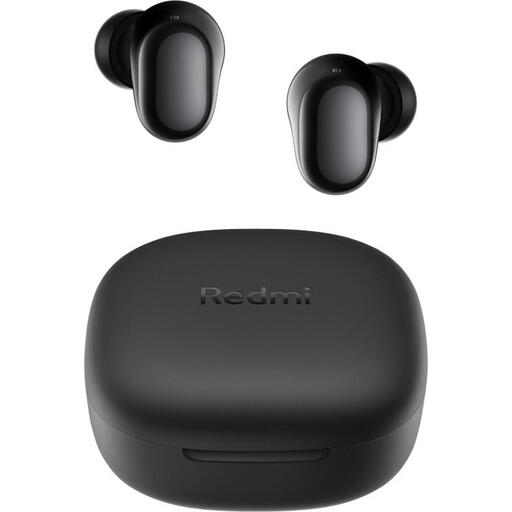
Why it suits this profile: A straightforward TWS model for listening, calls and travel. According to the product specifications, each earbud weighs 3.6 grams and uses Bluetooth 5.4.
Battery life is clearly broken down: up to 7.5 hours per charge and up to 36 hours with the case. The IPX4 rating also makes clear that the earbuds aren’t protected against immersion.
Bluetooth 5.4, USB-C, 10 mm dynamic drivers and extra ear tips in small and large sizes. The case is not water-resistant according to the specifications.
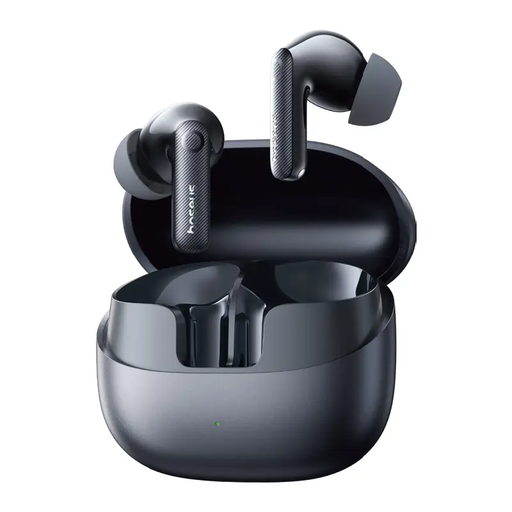
Why it suits this profile: Designed for listeners who want to combine ANC, multiple codecs and longer battery life for travel, work and music.
The product information lists around 11 hours of playback at 50% volume and around 55 hours with the case separately. It also clearly states the limitations of the IP55 rating.
According to the product description: adaptive hybrid ANC, support for SBC, AAC and LDAC, six microphones and USB-C.
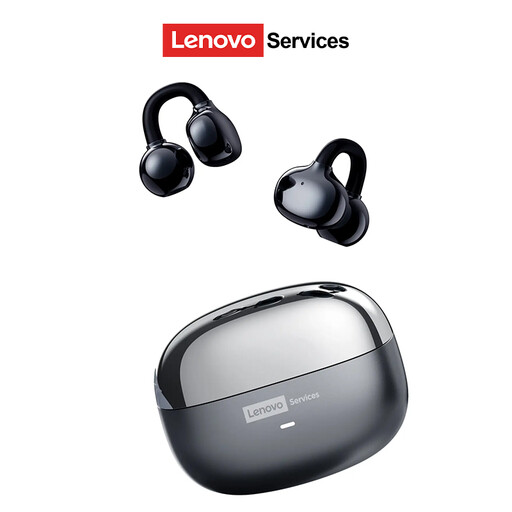
Why it suits this profile: An open-ear design for working, walking, gaming and sport when you want to stay aware of your surroundings.
The open-ear design means you shouldn’t expect complete sound isolation. The stated battery life of up to 25 hours refers to the specified usage time.
According to the product description: compatible with Android, iOS and Windows, low latency and an ear-clip design that doesn’t sit in the ear canal.
Bluetooth is convenient, but wired in-ear earbuds don’t need a battery. The Skullcandy Jib In Ear W/Mic 1 - Black has a 3.5 mm connection, an integrated microphone and in-line controls. This can be handy with a laptop, tablet or phone that has a headphone socket. Check whether your smartphone needs an adapter.
For sport, water-resistant earbuds with a clear IP rating make more sense than a model with only “waterproof” in the title. IPX5 or IP55 doesn’t mean you can swim with them. Also, dry the charging port before connecting a cable.
We’ve put together a complete, up-to-date list of products that meet these strict selection criteria and the applicable European safety regulations.
Open the Bluetooth settings on your Android phone or iPhone, put the earbuds into pairing mode and select the product name. With TWS earbuds, this often happens automatically when you open the case. If they won’t connect, remove any old pairing and try again.
Battery life per charge varies by model and settings. The built-in lithium battery loses capacity over time. Store the earbuds and case in a dry place, avoid extreme temperatures and charge them using the supplied cable or a suitable alternative.
It depends on the fit and IP rating. Choose a model that stays securely in place and specifies protection against sweat or splashes. Don’t use earbuds in traffic if noise cancellation could make it harder to hear warning signals. Also, avoid listening at high volume for long periods.
