
Vandaag of morgen in huis

Kwaliteit gegarandeerd

Welkomstaanbiedingen ontgrendelen: GRATIS bezorging | Tot 80% korting | Gratis 30 dagen JoyPlus-proefperiode
Download de app
Earbuds may seem straightforward to choose, but small differences determine whether they remain comfortable and practical for everyday use. A low price can be tempting, but the wrong connector, mediocre fit or limited microphone can quickly lead to frustration. Terms such as “noise cancellation”, “long battery life” and “hi-fi sound” only mean something when you know which specifications support them.
In this guide, you’ll learn what to look for in wireless earbuds, wired earbuds, sports models and earbuds for phone calls. We’ll then make three recommendations for different uses.
Not every device has the same port. A model with a 3.5mm plug only works with devices that have a corresponding connection. USB-C is becoming increasingly common on modern smartphones, tablets and laptops. Check the following beforehand:
The Samsung EO-IC100 uses USB Type-C and does not have Bluetooth. The JBL Tune 210, on the other hand, uses a 3.5mm connection. This difference immediately determines whether the model is suitable for your phone or laptop.
For wireless Bluetooth earbuds, the total playtime often includes the charging case. A product advertised with “40 hours” may offer around 8 to 10 hours per charge, for example, with the case then providing additional charges. So pay attention to the difference between:
According to the product description, the JBL Wave Buds 2 offer up to 40 hours of playback when ANC is switched off. The earbuds themselves provide up to 8 hours of music playback. This is a verifiable specification, but actual battery life may vary depending on volume, codec and use of noise cancellation.
ANC earbuds use microphones and electronics to reduce ambient noise. Their performance varies depending on the surroundings, fit and type of sound. Low, constant sounds such as the hum of public transport are generally a different scenario from voices or sudden noises.
According to the JBL Wave Buds 2 product description, these earbuds feature Active Noise Cancelling and Smart Ambient. Think of ANC as a sound-management feature, not a guarantee that all surrounding noise will disappear. In traffic or while cycling, a transparency mode may actually be more practical.
With in-ear earbuds, silicone tips partially seal the ear. Choosing the right size is important for comfort, bass response and stability. A tip that is too small may come loose, while one that is too large can create pressure. Models supplied with several ear-tip sizes give you more options for adjusting the fit.
For sports, the design and protection against moisture are also relevant. An IP rating consists of two numbers: the first refers to dust and the second to water. IPX4, according to the standard classification, means protection against splashing water, but not immersion. According to the product description, the TALIX earbuds have an IPX4 rating and are intended for sweat and light rain. They are therefore not designed for swimming.
Wireless earbuds use Bluetooth. A higher Bluetooth version number may offer benefits in terms of power consumption and connection quality, but it does not by itself say everything about sound quality. Also check support for:
A Bluetooth 5.4 model may be appealing to users looking for a recent connection standard and low latency. According to the product information, the Edifier X1 Lite features Bluetooth 5.4 and low latency of 60 milliseconds. For competitive gaming, the phone, computer and game connection being used will also have an impact.
For online meetings and phone calls, don’t just look at the number of microphones. Their positioning, wind filtering and software-based noise reduction also play a role. Brands may make their own claims in this area, but do not present them as a guarantee.
According to the product description, the TALIX G1 has four microphones and algorithm-based noise reduction for calls. The JBL Wave Buds 2 lists four microphones. These figures can be compared objectively, while speech clarity in a busy street or office environment may vary from one situation to another.
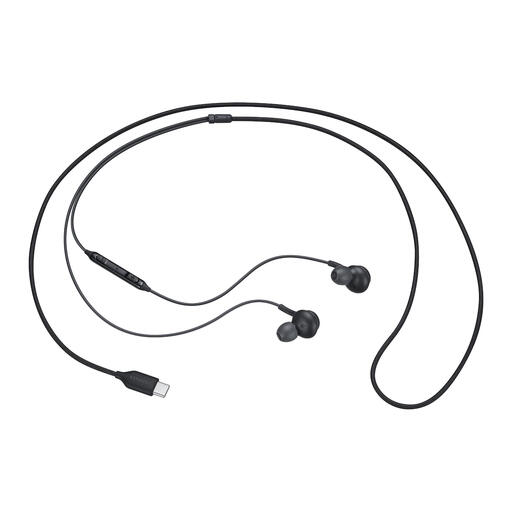
Why it suits this profile: A straightforward choice for Android and Samsung users with a USB-C connection who don’t want to manage battery life or Bluetooth pairing.
The USB-C connection makes it clear that there is no wireless battery life to assess. However, check beforehand whether your device supports audio via USB-C.
Wired design, built-in DAC, 32-ohm impedance, in-ear fit and multiple ear-tip sizes included.

Why it suits this profile: Designed for users who want to combine features such as ANC, app control and automatic switching between Galaxy devices within the Samsung ecosystem.
The product information states the playback time both with and without ANC. This allows you to compare the battery claim more realistically with other models.
ANC, six microphones, Bluetooth 6.1, IP57 rating, USB-C, wireless charging and up to 30 hours of total playback without ANC.
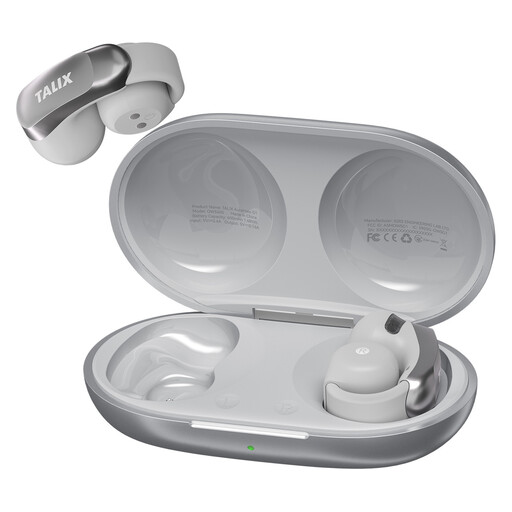
Why it suits this profile: Suitable for commuting, the office, online meetings and light exercise where an ear hook can provide extra support.
The ear hook is designed to improve stability, while the IPX4 rating clearly indicates the limits for sweat and light rain. Immersion should be avoided.
Bluetooth 5.3, four microphones, up to 7 hours per charge, up to 28 hours with the charging case and a weight of 5.2 grams per earbud according to the product information.
We’ve put together a complete, up-to-date list of products that fully meet these strict selection criteria and the applicable European safety regulations.
Yes, as long as the model has a microphone and your computer or phone supports Bluetooth audio. Also check whether the device can switch automatically between music and calls. For lengthy meetings, earbuds with long battery life or a wired USB-C model can be practical.
Their lifespan depends on use, storage and cleaning, and for wireless models particularly on the built-in battery. Wired earbuds do not have a battery, but the cable and plug may wear out over time. Store wireless models in their charging case, keep the charging contacts clean, and avoid heat and moisture.
ANC can reduce ambient noise. Use transparency mode or a lower volume when you are out in traffic. Do not use earbuds in situations where you need to hear traffic sounds and warnings clearly at all times. Listening at a high volume for prolonged periods can also cause hearing damage.
