
Vandaag of morgen in huis

Kwaliteit gegarandeerd

Welkomstaanbiedingen ontgrendelen: GRATIS bezorging | Tot 80% korting | Gratis 30 dagen JoyPlus-proefperiode
Download de app
Wireless earbuds are ideal for music, phone calls, commuting and exercise. However, a long list of features does not automatically mean that a model will suit the way you use it. Pay particular attention to the fit, battery life, water resistance and how ambient sound is handled.
The following pitfalls are common:
Always compare the playback time of the individual earbuds with the playback time including the charging case. A product advertised with “long battery life” might, for example, offer 10 hours per charge and 44 hours with the case. According to its product specifications, the OnePlus Buds Pro 3 offers up to 12 hours for the earbuds and 44 hours including the charging case. A shorter usage time is listed for this model when active noise cancellation is enabled.
According to its product description, the MINISO MS106 offers up to 55 hours in total and a fast-charging function that is claimed to provide up to 3 hours of playback from 10 minutes of charging. This information comes from the product listing; actual battery life depends on volume, connection and enabled features.
Also check:
An IP code consists of numbers or an “X” when a component has not been specified. IPX4 generally refers to protection against splashing. IPX5 refers to protection against water jets under defined test conditions. Therefore, only use such models in the rain or when exercising within the limits specified by the manufacturer.
For exercise, water-resistant earbuds are practical, but make sure you dry the charging port and earbuds thoroughly first. Earbuds with a higher rating are not automatically suitable for swimming. For models with a dedicated swimming or MP3 mode, follow the instructions and check whether Bluetooth works at all while swimming.
True wireless earbuds have no cable connecting the two earbuds. They are compact, but a good fit is important to prevent them from falling out while walking. Earbuds with ear hooks, such as some sports models, often stay in place differently during movement from classic in-ear models.
Open-ear earbuds and bone conduction headphones leave the ear canal more open. This can be useful when walking, cycling or working in an office and you want to remain aware of your surroundings. The trade-off is that music sounds less isolated in busy environments. Open-ear is also not the same as sound isolation, so do not turn the volume up unnecessarily.
Also consider the Bluetooth version, multipoint and codecs. Bluetooth 5.3 or 5.4 can provide a modern connection, but compatibility also depends on your smartphone. Features such as AAC, SBC or LDAC do not work in exactly the same way on every device.
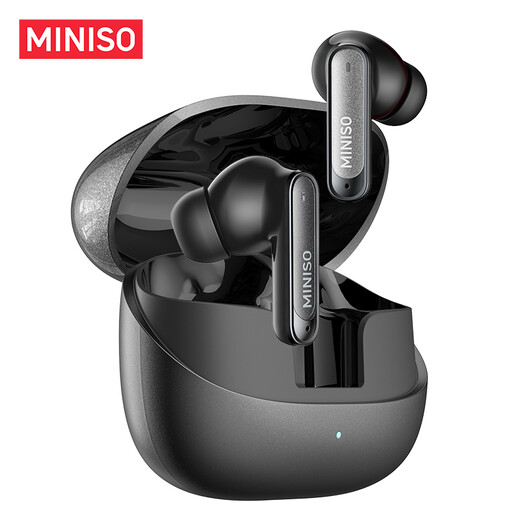
Why it suits this profile: This TWS model combines a compact in-ear design with a built-in microphone, touch controls and a stated total battery life of up to 55 hours. This makes it suitable for everyday use, studying and commuting.
The listing states both the battery life including the case and an IPX5 rating. However, do not use the earbuds for swimming, and check the actual playback time when ANC is enabled.
10mm dynamic driver, Bluetooth 6.0 according to the product name, IPX5 and a microphone for calls.
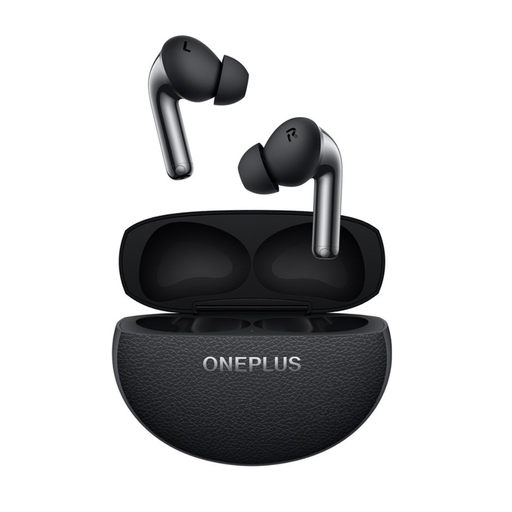
Why it suits this profile: If you combine music, calls and multiple devices, this model offers features including hybrid ANC, multipoint, Bluetooth 5.4 and three audio codecs.
The specifications list separate battery-life figures with and without noise cancellation. The IP55 rating is suitable for sweat and splashes, but not for submersion.
11mm and 6mm drivers, AAC/LHDC/SBC, three microphones with VPU and a stated battery life of up to 44 hours with the case.
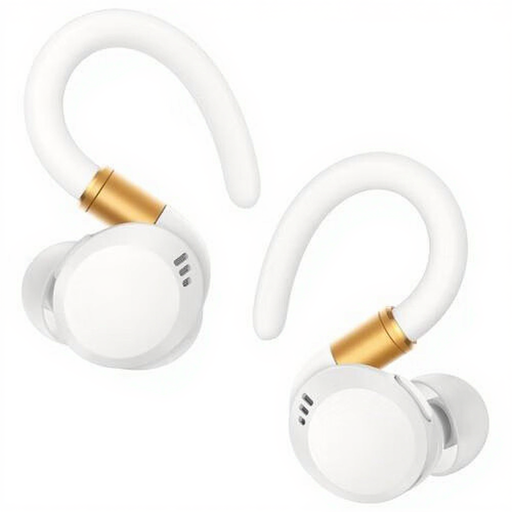
Why it suits this profile: This model is designed for calls, music and exercise, and lists an IP68 rating, button controls and up to 12 hours of playback per charge.
The ear hook and physical buttons address two practical issues: slipping during movement and accidental touch controls. Follow the manufacturer’s conditions of use regarding contact with water.
IP68 according to the product information, 12-hour battery life and support for AAC and SBC.
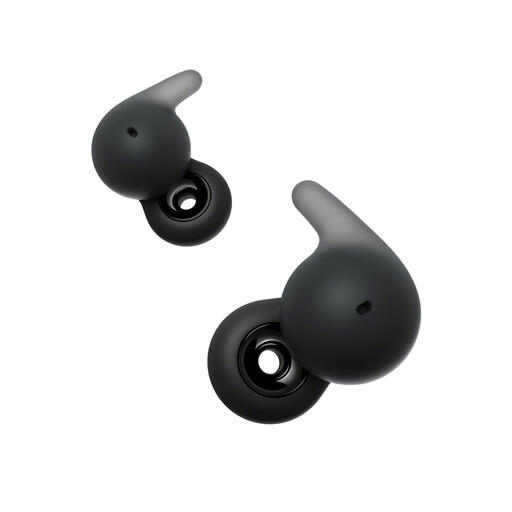
Why it suits this profile: The open design is intended for podcasts, conversations and activities where you want to remain aware of ambient sound. According to the product information, each earbud weighs 4,8 grams.
With the open construction, you do not need to keep switching on a transparency mode. Bear in mind that noisy environments may reduce your enjoyment of the music.
Open design, multipoint connection, Bluetooth 5.3, microphone and IPX4 splash resistance.
We have put together a complete, up-to-date list of products that fully meet these strict selection criteria and the applicable European safety regulations.
Open your phone’s Bluetooth settings, charge the earbuds and take them out of the case. Put them into pairing mode according to the instructions, then select the product name from the list. On models with Google Fast Pair or a dedicated app, the first connection may happen automatically or through the app.
Their lifespan depends on charging cycles, heat, moisture, cleaning and listening volume. Store the earbuds in the charging case, do not charge them in a damp environment, and use the supplied or a suitable USB-C cable. A reduction in battery capacity over time is normal with built-in lithium batteries.
That depends on the wearing style and IP rating. Earbuds with ear hooks may stay more securely in place while running. Open-ear models keep ambient sound audible, but always stay alert to traffic and follow local safety regulations. Water resistance also does not automatically mean that a model is suitable for swimming.
