
Vandaag of morgen in huis

Kwaliteit gegarandeerd

Welkomstaanbiedingen ontgrendelen: GRATIS bezorging | Tot 80% korting | Gratis 30 dagen JoyPlus-proefperiode
Download de app
Wireless earbuds may look similar, but they can differ considerably in fit, battery life, controls and moisture protection. A low price can be appealing, but an unsuitable shape or mediocre microphone may mean you barely use the product. With this buying guide, you can compare Bluetooth earbuds using verifiable specifications and choose a model that suits your everyday needs.
A claim such as “40 or 55 hours of battery life” usually refers to the total playback time including the charging case. The earbuds themselves often last only a few hours per charge. Features such as active noise cancellation, volume level and phone calls also affect battery life.
Always check:
Water-resistant earbuds are not automatically suitable for swimming. An IP54 or IPX4 rating generally indicates protection against dust, splashes or sweat under certain conditions. It does not mean you can submerge them.
For exercise in the UK, protection against sweat and light rain is often sufficient. If you are looking for earbuds for swimming, check that the manufacturer explicitly mentions swimming and specifies which usage mode applies. According to the product information for some models, the charging port must also be completely dry before you start charging.
Active Noise Cancelling, or ANC, uses microphones and electronic processing to reduce surrounding noise partially. The result varies from person to person and depends on the fit and environment. A good seal from silicone earbuds also makes a difference.
Pay attention to the microphones as well. Noise cancelling for music is different from noise reduction during calls. Brands may promote their call quality based on their own research or algorithms. Do not treat such claims as a guarantee. Instead, look for concrete information such as the number of microphones, app support and call features.
An in-ear headphone usually seals the ear canal with a silicone tip. This can help with bass reproduction and passive sound isolation, but not everyone finds pressure in the ear canal comfortable.
Open-ear headphones and clip-on models leave the ear canal open. This allows you to hear surrounding sounds more clearly, which can be useful when walking or commuting. The sound reproduction and lower frequencies may feel different from those of a sealed in-ear model.
A neckband model, such as the Acer OHR810, connects both earbuds with a band around your neck. This helps prevent separate earbuds from getting lost and can be practical during exercise or travel.
Bluetooth 5.2, 5.3, 5.4 or later provides information about the connection technology being used, but a higher version number does not automatically guarantee better sound. Also check the supported audio codecs, multipoint functionality and compatibility with Android, iOS, tablets and laptops.
For work and calls, multipoint is useful: it allows a model to stay connected to two devices at the same time. For gaming, low latency is also important, so that the picture and sound are less noticeably out of sync. Check whether a dedicated gaming mode is available.
A USB-C charging port is now practically the standard. Check whether the cable is included and whether wireless charging is supported. Also pay attention to claims such as “fast charging”: check how many minutes of charging the product specifications say are required and how much playback time that provides.
If you travel frequently or work long hours, you may want to look specifically for earbuds with long battery life. A case with a digital display, as found on certain AOC or HTC models, can make it easier to check the remaining charge at a glance.
Earbuds with a microphone are suitable for online meetings and calls, but how clearly you can be heard depends on wind, background noise and the position of the microphones. Models with multiple microphones may offer noise-reduction features according to the product description. Treat this as a product specification, not as guaranteed performance in every situation.
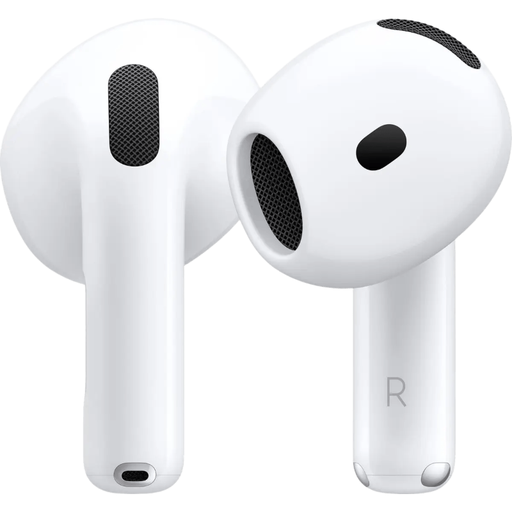
Why it suits this profile: A straightforward model for everyday listening with Apple devices, without extensive app setup. According to the product information, pairing also works with other Bluetooth devices.
The product information lists a USB-C case, total battery life of more than 30 hours and IP54 protection. However, check that this level of protection suits your intended use; the model is not fully waterproof.
USB-C charging, Bluetooth 5.3, built-in microphone and support for spatial audio according to the product description.

Why it suits this profile: Designed for users who value ANC, customisable audio and extensive features, particularly within the Galaxy ecosystem.
The specifications list playback time separately with ANC switched on and off: 6 and 7 hours. The IP57 rating is also stated, along with a warning that submersion is not permitted.
Two-way speakers, 6 microphones, 9-band equaliser, wireless charging and 360 Audio according to the product details.
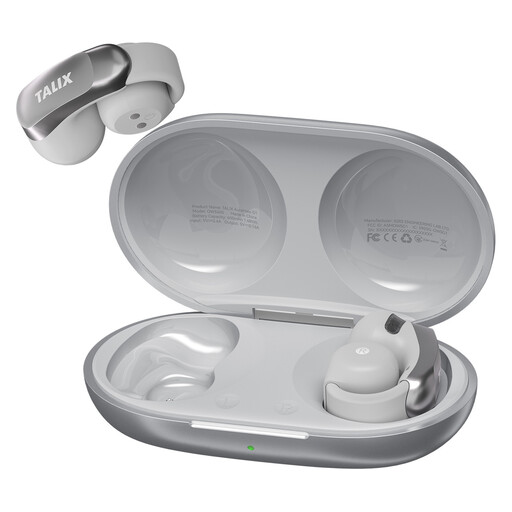
Why it suits this profile: The clip-on design and silicone ear hook are intended for exercise, commuting and longer listening sessions when a secure fit is preferred.
The product specifications state IPX4 protection against sweat and light rain. This helps set realistic expectations: the model is not intended for submersion or heavy rain.
Up to 7 hours of playback per charge, 28 hours with the case, Bluetooth 5.3 and 4 microphones according to the product information.
We have compiled a complete, up-to-date list of products that fully meet these strict selection criteria and the applicable European safety regulations.
Open the charging case or press and hold the pairing button, then open the Bluetooth settings on your smartphone. Select the name of the earbuds. With some models, a quick pairing option appears through Google Fast Pair, Microsoft Swift Pair or a brand app. If you experience problems, check that the earbuds are sufficiently charged and are not already connected to another device.
Playback time per charge is often between a few hours and around a working day. Total battery life with the case is longer. The lifespan of the built-in lithium battery decreases over time, depending on charging cycles, temperature and usage. Keep the case dry, avoid heat and use a suitable USB-C charger.
That depends on the fit and IP rating. Sports earbuds with an ear hook, neckband or clip may stay in place more securely while you move. IPX4 may be sufficient for sweat and light rain; for more intensive use, check the manufacturer’s full product description. Do not use a model in water unless the product information clearly permits it.
