
Vandaag of morgen in huis

Kwaliteit gegarandeerd

Welkomstaanbiedingen ontgrendelen: GRATIS bezorging | Tot 80% korting | Gratis 30 dagen JoyPlus-proefperiode
Download de app
Wireless earbuds may look very similar at first glance. However, they can differ considerably in fit, battery life, water resistance and ease of use. A model that works well on the train may come loose while running. And a set with a high IP rating is not automatically suitable for swimming.
So don’t just focus on terms such as “spatial audio”, “AI noise cancellation” or “long battery life”. Above all, check the specifications that determine whether the earbuds are right for the way you use them every day.
The stated battery life often applies to a specific setting. For example, the JBL Wave Buds 2 are advertised with up to 40 hours of total playback time when ANC is switched off. According to the specifications, the earbuds themselves provide up to 8 hours of playback. On other models, active noise cancellation can also reduce battery life.
So always compare:
An IPX5 or IP54 rating indicates protection against, for example, splashes or sweat, but it does not mean that you can submerge the earbuds. According to the product information, the Soundcore Liberty 4 Pro has an IPX5 rating. That makes it suitable for sport and rain, but not for swimming.
Swimming requires a much higher level of protection. Even then, you should check whether the manufacturer specifically lists swimming as a suitable use case. For example, the Mojawa Run Plus is listed with IP68, 32 GB of storage and a built-in MP3 player. This points to a different design from ordinary true wireless earbuds, but always follow the instructions and dry the magnetic connection completely before charging.
In-ear headphones partially seal the ear canal. This can help with sound isolation, but it also means you hear less of your surroundings. That is not always ideal when cycling, walking or at a busy station.
Open-ear models and bone conduction headphones leave your ears more open. They may therefore be better suited to users who want to remain aware of their surroundings. The trade-off is that ambient noise can also affect your listening experience.
Choose in-ear earbuds if you mainly value a close fit, compact dimensions and active noise cancelling. Multiple sizes of silicone ear tips are useful, as a good seal affects both comfort and sound isolation. The Apple AirPods Pro 3 come with five sizes of silicone ear tips.
A clip-on or open-ear headset rests around or alongside the ear. The Soundcore AeroClip uses an open-ear clip-on design; according to the product description, the ring is flexible and intended for extended wear. This can be comfortable when working, cooking, walking or commuting.
A bone conduction headset generally sits on the head using a band and has an open design. With these models, pay particular attention to the weight, durability and IP rating.
Active noise cancelling (ANC) uses microphones and electronic processing to reduce ambient noise. Its performance varies depending on the situation, for example on a train, in an office or on a busy street. Brand descriptions of the level of noise reduction are manufacturer claims, so don’t treat them as a guarantee that every user will have the same experience.
A transparency mode, ambient mode or similar feature allows more sound from your surroundings through. This is useful when you want to hear an announcement, colleague or traffic. The Samsung Galaxy Buds4 Pro list ANC, 360 Audio, six microphones and Bluetooth 6.1. The Apple AirPods Pro 3 also list ANC and a transparency mode.
Bluetooth 5.3, 5.4 or 6.1 mainly indicates the connection standard being used. The actual connection also depends on your smartphone, laptop, software and distance. For calls, the number of microphones and features such as wind filtering are more relevant than the Bluetooth version alone.
Multipoint means that the earbuds can remain connected to two devices at the same time. This is useful when switching between a laptop and smartphone. Check that this feature is specifically mentioned, as Bluetooth itself does not automatically mean multipoint.
The first letter or first digit refers to protection against solid particles; the second letter or second digit refers to water. The following ratings are among those relevant for everyday use:
Never use wet earbuds when they need charging, and only connect a charging port once it is completely dry.
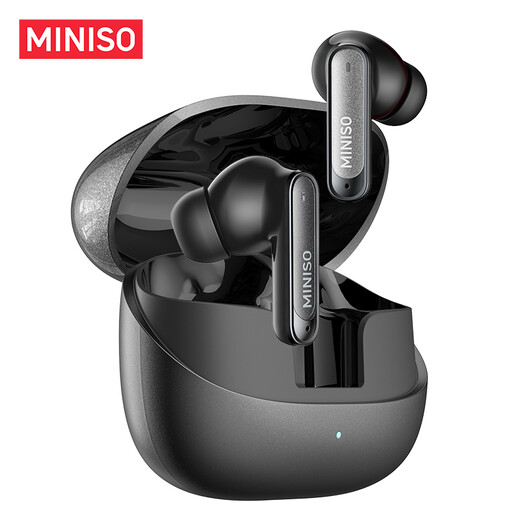
Why it suits this profile: These TWS earbuds combine a compact in-ear design with touch controls, USB-C charging and a stated total battery life of up to 55 hours.
The product information states both the battery life and the IPX5 rating. This allows you to assess battery performance and splash protection separately.
Bluetooth 6.0, six microphones according to the product description, IPX5 and a 10-minute fast-charging function.
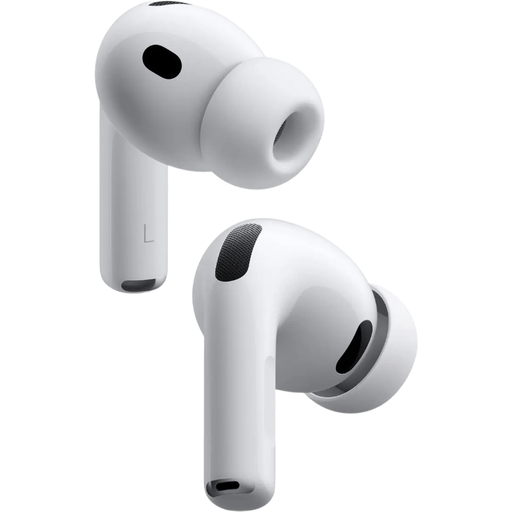
Why it suits this profile: A natural choice for Apple users who value ANC, spatial audio and seamless switching between Apple devices.
Five sizes of silicone ear tips help you fine-tune the fit. The product information lists battery life separately for use with ANC and in transparency mode.
Bluetooth 5.3, up to 8 hours with ANC, wireless and USB-C charging, and IP57 according to the product specifications.
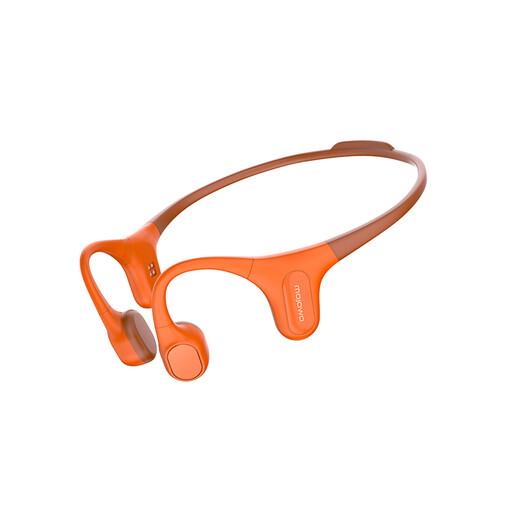
Why it suits this profile: This open-ear model is designed for running, cycling, fitness and swimming. The stated 32 GB of storage allows you to listen without a smartphone, provided this function is supported according to the instructions.
The IP68 rating and internal storage are listed as separate product specifications. Before using the headphones in water, always check the permitted depth and duration.
Open-ear bone conduction design, Bluetooth and 32 GB of built-in storage according to the product information.
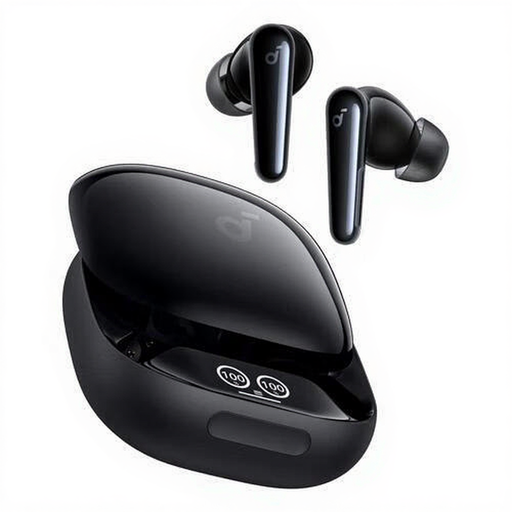
Why it suits this profile: The combination of in-ear wear, six built-in microphones, touch controls and up to 10 hours of playback suits calls, music and sport.
The stated IPX5 rating makes it clear that this is splash protection, not a swimming model.
TWS, USB-C, dynamic drivers, six microphones and a charging case with additional ear tips.
We’ve put together a complete, up-to-date list of products that fully meet these strict selection criteria and the applicable European safety regulations.
First, charge the earbuds and case. Then open your smartphone’s Bluetooth settings, remove the earbuds from the case or open the case, and select the product name. For models with an app, follow the manufacturer’s instructions for additional features and firmware updates.
Battery life per charge is often between around 5 and 10 hours, depending on volume, codec and ANC. The charging case extends the total battery life. The lifespan of the built-in battery depends on charging cycles, heat, storage and usage. Keep the earbuds in the case and don’t leave them in direct sunlight or extreme cold for extended periods.
ANC earbuds can reduce ambient noise. This means they are not sensible in every traffic situation. When cycling, it is important to remain aware of traffic and signals in good time, and to follow the Dutch traffic rules. An open-ear headset or bone conduction headset may be better suited to the need for awareness of your surroundings in these situations, but caution is still essential.
