
Vandaag of morgen in huis

Kwaliteit gegarandeerd

Welkomstaanbiedingen ontgrendelen: GRATIS bezorging | Tot 80% korting | Gratis 30 dagen JoyPlus-proefperiode
Download de app
Wireless earbuds are handy for music, podcasts, video calls and travel. Yet many models look much the same on paper. A low price can be tempting, while impressive claims about battery life or noise cancellation don’t always tell you what you need to know for everyday use.
Most disappointing purchases come down to three common pitfalls:
Check these points before you buy, and you can compare wireless earbuds based on practical features rather than marketing terms alone.
Look for two figures: listening time per charge and total playtime with the charging case. ANC, high volume and calls generally use more power than listening to music at a moderate volume. Also check whether fast charging is mentioned and how many extra minutes of use it provides.
A model offering 6 to 8 hours per charge may be enough for your commute. For long journeys, study days or frequent calls, wireless earbuds with long battery life and a sturdy charging case are more practical. Also check whether the case charges via USB-C.
A good fit affects comfort, noise isolation and stability. In-ear models with silicone tips generally fit differently from open-ear or clip-on earbuds. For exercise, sports earbuds with an ear hook or clip may stay in place better, though an ear hook won’t feel comfortable for everyone.
The IP code tells you what a product has been tested to withstand. IPX4 is designed to protect against splashes, sweat and light rain, depending on the product description. IP54 adds dust protection. IPX5 or IP55 offers greater protection against water jets, but even then, don’t assume the earbuds are safe for prolonged immersion or swimming. The charging case may have a different rating from the earbuds.
Bluetooth 5.3 or 5.4 can help provide a modern, energy-efficient connection, but the Bluetooth version alone doesn’t determine the whole experience. Also check for multipoint, codec support and range.
For work and calls, earbuds with a microphone and well-positioned microphones are useful. Claims about AI noise cancellation or clear calls come from the brand’s product information, so treat them as product specifications, not guaranteed results on every street, train or in every office.
Gamers and video watchers may want to look for low-latency earbuds. Low latency, for example 60 milliseconds according to the product description, can help keep picture and sound in sync. The actual latency also depends on your phone, computer, game and connection.
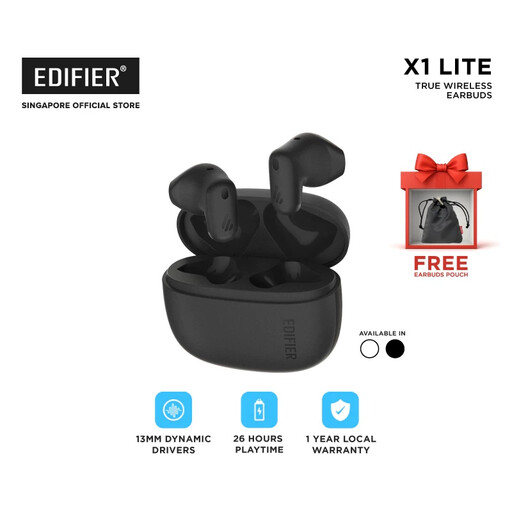
Why it suits this profile: A straightforward model for everyday listening, calls and streaming, without complicated features.
The product information lists both playtime per charge and the extra hours provided by the case, making it easier to put the battery claim into context.
Bluetooth 5.4, 60 ms low latency, IP54 and a weight of around 4 grams per earbud, according to the product description.
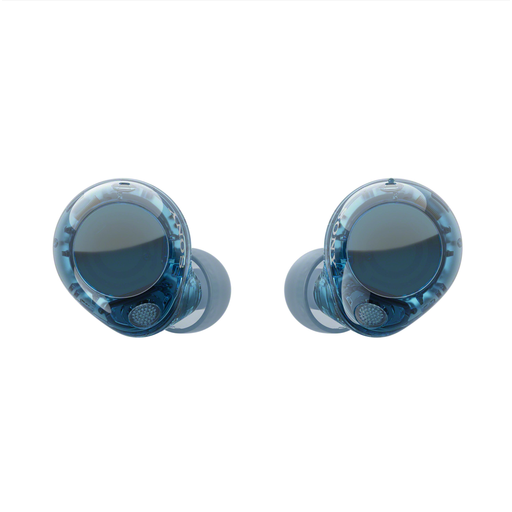
Why it suits this profile: Designed for users who value ANC, multipoint and an app for adjusting sound settings.
The stated battery life distinguishes between ANC on and off. The IPX4 rating is also listed, so you know this model isn’t designed for immersion.
Active noise cancellation, Bluetooth 5.3, multipoint and up to 40 hours without ANC, according to the product information.
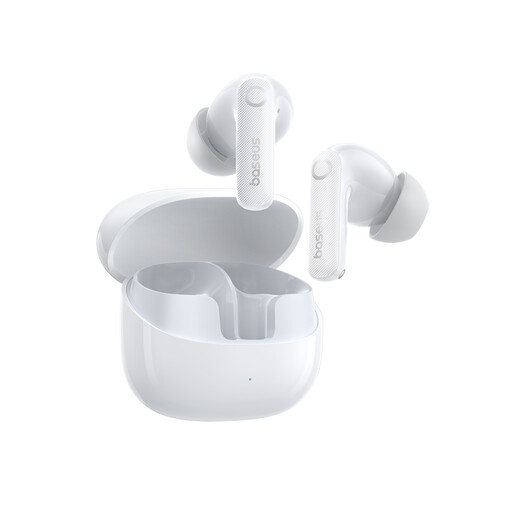
Why it suits this profile: A good choice for travel, work and long listening sessions when you want ANC and plenty of total battery life.
The specifications state battery life at 50% volume and list playtime per earbud separately. The IP55 rating helps you avoid confusing splash resistance with waterproofing.
Adaptive hybrid ANC, LDAC support, six microphones and up to 55 hours of total battery life, according to the product information.
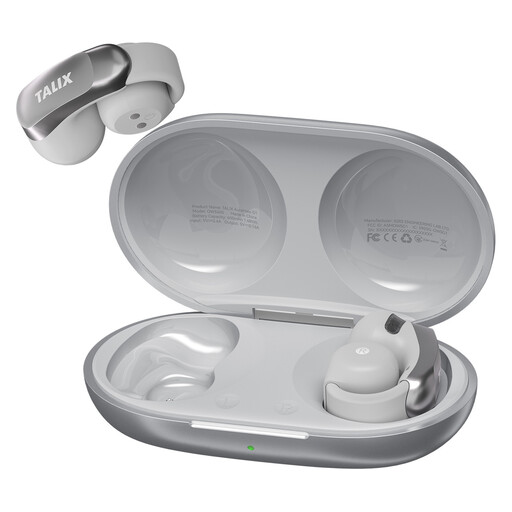
Why it suits this profile: The clip-on design and ear hook are made for users who want extra stability while on the move.
The IPX4 rating is clearly stated: suitable for sweat and light rain, but not immersion. The ear hook helps reduce the risk of an earbud coming loose while you’re moving.
Bluetooth 5.3, four microphones according to the product description, around 7 hours per charge and up to 28 hours with the case.
Use this quick checklist:
With ANC earbuds, it’s sensible to stay aware of surrounding sounds when near traffic or cycling. Avoid listening at high volume for long periods, too. Keep the charging case, earbuds and small accessories out of reach of young children.
We’ve put together a complete, up-to-date list of products that meet these strict selection criteria and the applicable European safety regulations.
Open the charging case, switch on Bluetooth on your phone and select the earbuds’ name from the list of available devices. Some models require you to press a button on the case first or open the companion app. Check the manual if one of the earbuds isn’t detected.
Their lifespan depends on charging cycles, volume, moisture, drops and storage. Keep the earbuds in their case, keep the charging contacts clean and charge them with a suitable USB-C charger. Bear in mind that battery capacity may decrease over time; this is normal for built-in lithium batteries.
Many models have a built-in microphone, but call quality depends on wind, traffic, microphone placement and your phone connection. If you regularly take part in meetings, multiple microphones, multipoint and a stable Bluetooth connection are useful features to consider when comparing models.
