
Vandaag of morgen in huis

Kwaliteit gegarandeerd

Welkomstaanbiedingen ontgrendelen: GRATIS bezorging | Tot 80% korting | Gratis 30 dagen JoyPlus-proefperiode
Download de app
Wireless earbuds are useful for commuting, making calls, studying and exercising. However, it is easy to pay too much for features you do not need. For example, a long battery life does not always indicate how long the earbuds themselves will play for. “Waterproof” also does not automatically mean you can swim while wearing them.
This buying guide helps you compare wireless earbuds based on features that make a practical difference in the Netherlands: comfort, Bluetooth connectivity, microphone quality, battery life and water protection.
Brands often quote battery life including the charging case. A product might advertise 40 hours of total playtime, while the earbuds themselves last around 8 to 10 hours before they need to go back in the case. Always check both figures:
Noise cancelling, high volume levels and phone calls can reduce the actual usage time.
IPX4 is suitable for splashes, sweat and light rain. That is different from submersion. IPX5 protects against water jets, while IPX7 is designed for temporary submersion according to the relevant classification. Always check the product manual, and only charge a wet product once it is completely dry.
For swimming, standard Bluetooth earbuds are often impractical because Bluetooth signals travel poorly through water. A model with internal storage and a dedicated swimming mode may be better suited to this type of use.
Earbuds with noise cancelling can electronically reduce ambient noise, but the results depend on the fit, the type of sound and your surroundings. A claim such as “up to -50 dB” is a stated maximum, not a guarantee for every situation.
The same applies to features such as AI noise reduction and translation. According to the manufacturer’s own product information, certain models can support conversations or translation apps. Actual performance also depends on your phone, software and surrounding conditions.
In-ear true wireless earbuds partially seal the ear canal. This can help with passive noise isolation and provide fuller bass, but not everyone finds silicone tips comfortable. Check whether several sizes of ear tips are included.
Open-ear earbuds and clip-on models sit outside or on the edge of the ear. This allows you to hear your surroundings more clearly, which can be useful when walking or cycling. Sound reproduction and bass may feel different compared with fully sealing in-ear models.
A bone conduction headset uses a different design, transmitting sound through contact points next to the ear. When using one for sport, check particularly that the band stays secure and that the model is suitable for your chosen activity.
Bluetooth 5.2, 5.3 and 6.0 are often highlighted as selling points. A newer version does not automatically mean better sound. Pay particular attention to:
For working from home, earbuds with a microphone and a stable connection are often more important than having the latest Bluetooth version.
Use IP ratings as a practical indication, not as an invitation to keep your earbuds underwater. Wipe away sweat and dirt with a soft, dry cloth and keep the charging contacts clean. Do not charge a damp product. Manufacturers generally advise keeping accessories and ear tips out of the reach of young children.
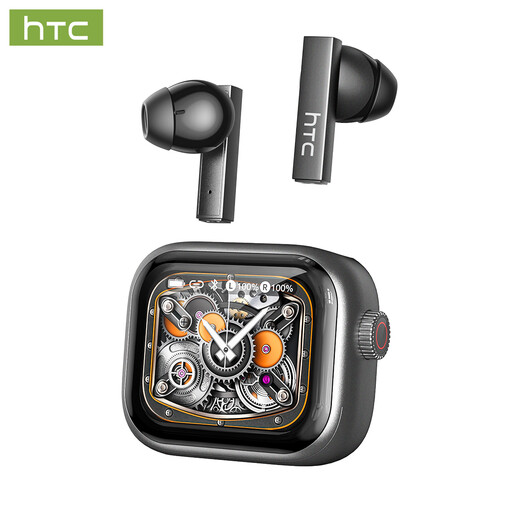
Why it suits this profile: This model offers essential features for music, calls and everyday use without complicated controls. The touch controls and LED display make the status easy to see.
The specifications state around 3.5 hours per charge and up to 24 hours with the charging case. This makes it clear that total battery life is not the same as uninterrupted listening time.
Bluetooth 6.0, a built-in microphone, touch controls and a charging case that, according to the product information, can provide up to seven additional charges.
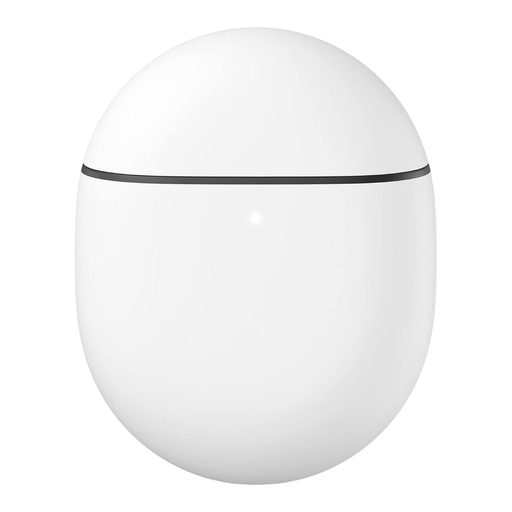
Why it suits this profile: Ideal for users who value active noise cancellation, adjustable sound and connectivity with multiple devices.
The product information mentions an ambient sound mode as well as noise cancelling. You can therefore choose between blocking out noise and letting ambient sound in.
Active noise cancelling, multipoint connectivity, wireless charging and three sizes of ear tips. The stated IPX4 rating is intended for protection against splashes.
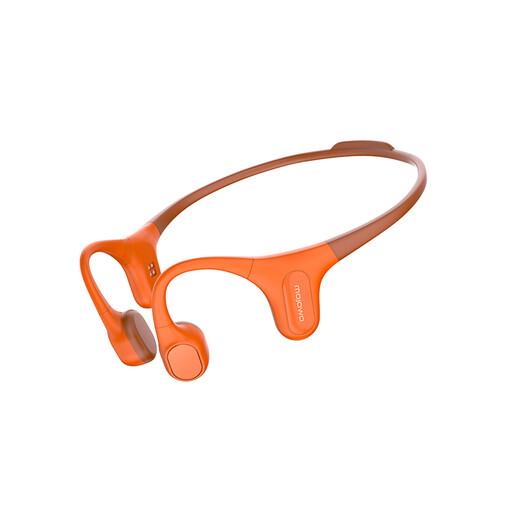
Why it suits this profile: The open-ear design with 32 GB of internal storage is aimed at running, cycling and fitness, and according to the product name, swimming too.
Internal storage allows playback without a continuous Bluetooth connection. Before swimming, however, check the manual and dry the product completely before charging it.
Open-ear bone conduction design, 32 GB of storage and IP68 according to the product listing.
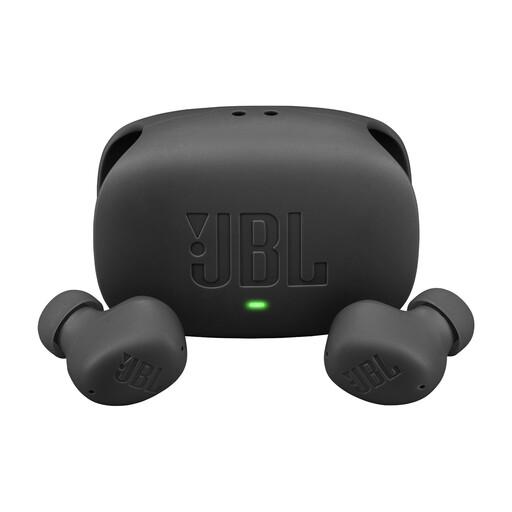
Why it suits this profile: This model combines active noise cancellation, microphones for calls and multipoint connectivity for switching between, for example, a laptop and smartphone.
According to JBL, the battery claim of up to 40 hours applies with ANC switched off. Battery life may be lower when noise cancelling is active, which helps prevent an inaccurate comparison.
IP54 for the earbuds, active noise cancelling, multipoint connectivity and fast charging via USB-C.
We have put together a complete, up-to-date list of products that fully meet these strict selection criteria and the applicable European safety regulations.
First, charge the earbuds and the case. Then open the charging case or hold down the pairing button until the indicator flashes. Open the Bluetooth settings on your smartphone and select the product name. If the device has been paired before, many models will reconnect automatically.
Their lifespan depends on battery usage, charging cycles, moisture and maintenance. Store the earbuds in the case, clean the charging contacts and avoid heat. Batteries wear out gradually, so also check whether replacement parts or servicing are available.
That depends on the fit and IP rating. Sports earbuds with an ear hook or open-ear design often stay more secure during movement. For sweat and light rain, models with at least a suitable splash-resistance rating are practical. For swimming, you need a model specifically designed for it; standard Bluetooth earbuds are not automatically suitable.
