
Vandaag of morgen in huis

Kwaliteit gegarandeerd

Welkomstaanbiedingen ontgrendelen: GRATIS bezorging | Tot 80% korting | Gratis 30 dagen JoyPlus-proefperiode
Download de app
Wireless earbuds may look alike, but the differences become clear once you use them every day. A pair that feels comfortable on a short train journey may disappoint during a long working day, a workout or a phone call at a busy station. So don’t focus solely on a low price or terms such as “AI”, “Hi-Fi” and “noise cancelling”.
In this buying guide, you’ll find out what to look for, which marketing claims deserve extra scrutiny and what type of wireless earbuds best suits your needs.
Manufacturers often state the maximum play time. This figure may apply to the earbuds and charging case combined, or to a specific listening mode. ANC, high volume, phone calls and a poor Bluetooth connection can all affect battery life.
So always check:
An IP rating consists of numbers or letters with a specific meaning. IPX5, for example, means protection against water jets under certain conditions, but it doesn’t mean the charging case is waterproof. According to the product specifications, the QCY Melobuds Neo earbuds have an IPX5 rating; the case must be kept dry.
Take extra care if you plan to swim. The Verbex X7S is sold as an IPX8 model, but the product information limits its use to fresh water and swimming pool water. Also check whether the earbuds use Bluetooth while swimming or have internal storage.
Active noise cancelling, or ANC, uses electronic processing to reduce background noise. How well it works depends on the fit, the type of noise and your surroundings. Low, steady sounds such as train or aircraft engines are usually a different challenge from voices or sudden noises.
“ENC” usually refers to noise reduction during calls using the microphone. It isn’t the same as ANC for listening to music. According to the product information, some models combine both features, but always check what each mode is designed for.
In-ear earbuds seal the ear with silicone tips. This can provide a secure fit and reduce background noise, but not everyone finds them comfortable. Check whether the earbuds come with multiple sizes of tips.
An open-ear or bone-conduction model leaves the ear canal largely unobstructed. This can be useful when cycling, running or working somewhere you need to stay aware of your surroundings. In that case, how the earbuds fit around your ears matters more than a perfect seal.
Bluetooth 5.3, 5.4 or 6.0 doesn’t, by itself, tell you everything about sound quality. Your phone or tablet and the audio codec being used also play a part. Check whether features such as an equaliser, multipoint or translation depend on an app.
Apple users may benefit from extra integration with iPhone, iPad and Mac when using AirPods. Android users can pair many Bluetooth earbuds through the standard Bluetooth settings, but advanced settings can vary by brand.
If you make frequent calls, earbuds with a microphone and a good call mode are useful. Low latency matters for gaming. The QCY Melobuds Neo lists a low-latency mode of 0.06 seconds, but the actual experience still depends on your device, game and connection.
For travel, a charging case, comfortable fit and clear transparency mode are often more important than a high maximum volume alone. Don’t use noise cancelling in situations where you need to hear traffic or warnings.
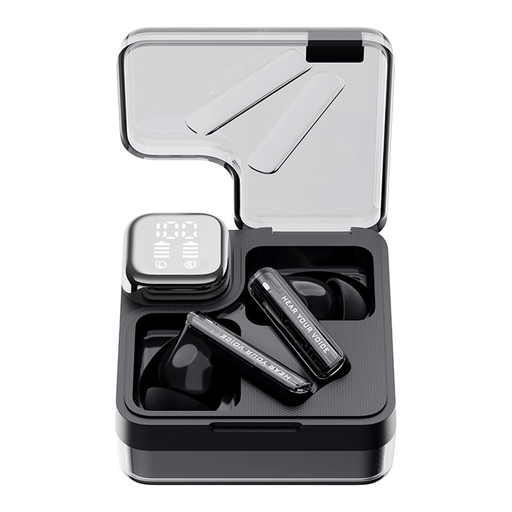
Why it suits this user: A versatile choice for music, calls, studying and mobile gaming, without having to carry bulky headphones.
The product specifications list play time on a single charge, total play time and an IPX5 rating for the earbuds. The case must be kept dry.
Bluetooth 5.3, ANC and ENC, around 28 hours in total and a stated low-latency mode of 0.06 seconds.
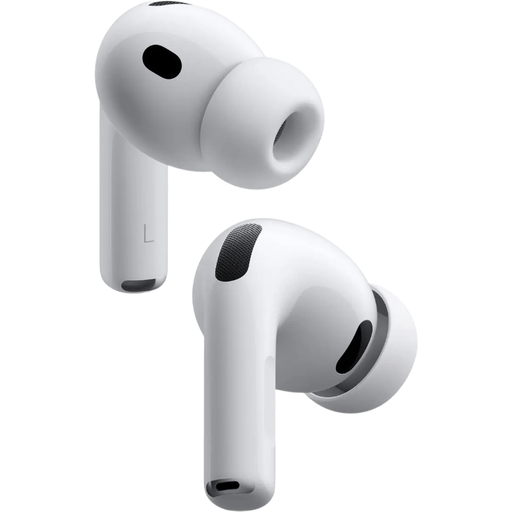
Why it suits this user: A good fit for people in the Apple ecosystem who value ANC, spatial audio and a choice of ear-tip sizes.
The product information lists five sizes of silicone tips, a microphone, active noise cancellation and an IP57 rating.
Bluetooth 5.3, up to around 8 hours with noise cancelling according to the product description, and stem controls.
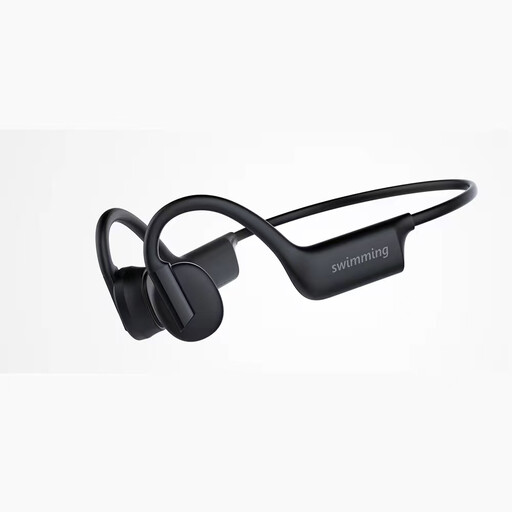
Why it suits this user: Designed for sports enthusiasts and swimmers looking for bone conduction, internal storage and an ear-hook design.
The product information lists 32 GB of storage and an IPX8 rating, while also setting out clear conditions for fresh water, drying and charging.
Bone conduction, magnetic charging, 32 GB of storage and a stated maximum battery life of around 8 hours.
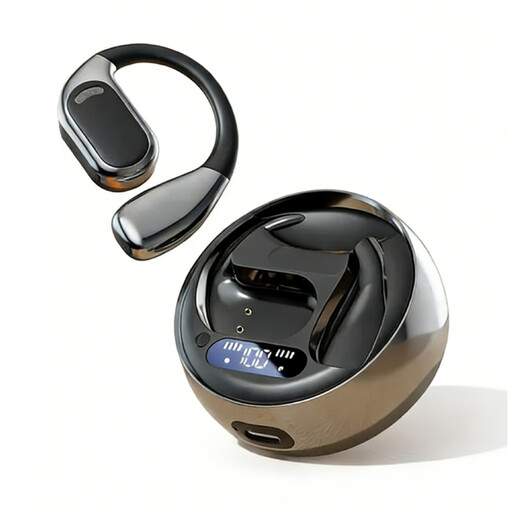
Why it suits this user: A useful option for studying, travelling and business conversations where translation earbuds are used with an app.
According to the product description, you’ll need a smartphone app and must set the language pair in it. So the translation feature isn’t fully standalone.
Bluetooth 5.4, an in-ear design, touch controls and support for around 150 languages at most, according to the product information.
We’ve put together a complete, up-to-date list of products that meet these strict selection criteria and current European safety regulations.
Most models work with Bluetooth-enabled devices, including Android phones, iPhones, tablets and laptops. Some extra features, such as spatial audio, an equaliser or translation, require a specific app or work better within a particular ecosystem. So check compatibility before you buy.
Battery life on a single charge is often between a few hours and a full working day. The charging case extends the total usage time. The lifespan of the built-in battery depends on charging cycles, heat and storage. Don’t leave your earbuds in direct sunlight for long periods, and use a suitable charger.
Yes, but use ANC sensibly. Switch transparency mode or ANC off when you need to hear traffic, cyclists or other warning sounds. Also check the IP rating if you plan to wear the earbuds while exercising or in the rain. Keep the case dry unless the manufacturer specifically says it is water-resistant.
