
Vandaag of morgen in huis

Kwaliteit gegarandeerd

Welkomstaanbiedingen ontgrendelen: GRATIS bezorging | Tot 80% korting | Gratis 30 dagen JoyPlus-proefperiode
Download de app
Wireless earbuds are handy for on-the-go use, working from home and exercise. Yet a long list of features tells you little if you don't know what the specifications actually mean in practice. A low price might look appealing, but a poor fit, limited battery life or unclear water resistance can quickly lead to a bad purchase.
Pay particular attention to these three common pitfalls:
With true wireless earbuds, the fit determines not only comfort but also sound isolation. In-ear models with different sizes of silicone ear tips can better accommodate a variety of ear shapes. A good seal also helps with bass response and the effectiveness of ANC.
An open design, such as certain bone conduction or ear-hook models, lets in more ambient sound. That can be practical when running or cycling, but the music will sound different compared to a closed in-ear model. Also check the weight and how they stay in place. A model that shifts during movement is less suitable as earbuds for exercise.
Bluetooth 5.3, 5.4 or 6.1 mainly tells you about the connection technology used. The actual experience also depends on your phone, firmware and supported audio codecs. Bluetooth earbuds with AAC, for example, work well with many Apple devices. LDAC can support higher audio quality on compatible Android devices, but may use more power.
Also look out for features tied to an ecosystem. Apple AirPods offer extra integration with Apple devices, while Samsung Galaxy Buds mainly make the most of features within the Galaxy and Android ecosystem. Basic Bluetooth pairing often works more broadly, but automatic device switching or advanced settings are not always universally available.
Always compare three values:
A model with long battery life is practical for travel, lectures and long working days. Also look at the microphones if you make a lot of calls. Multiple microphones and noise reduction may, according to the product description, contribute to clearer conversations, but call quality also depends on wind, network conditions and your phone.
For exercise, water-resistant earbuds with a suitable IP rating are useful. IP55 and IPX5 do not indicate protection against prolonged submersion. A higher rating is no reason to ignore the user manual either.
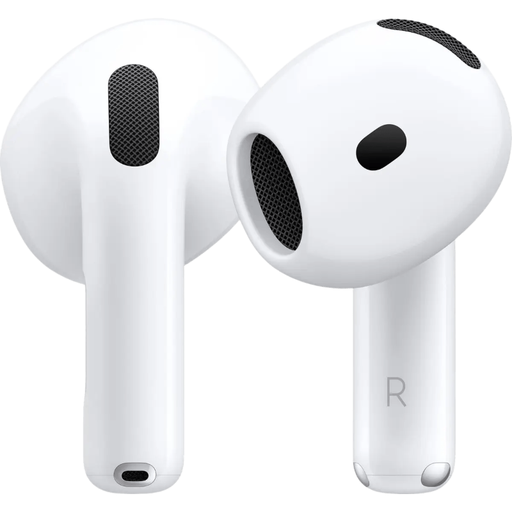
Why this fits the profile: This model is aimed at everyday use and simple pairing, especially for users with Apple devices. The charging case uses USB-C and the stated total battery life is over 30 hours.
The product information does not mention active noise cancellation. So you are not paying for a feature you may not need. The IP54 rating is limited though: not suitable for swimming or heavy rain.
USB-C, Bluetooth 5.3, microphone, transparency mode and over 30 hours total battery life according to the product specifications.

Why this fits the profile: This model is aimed at users who want plenty of adjustment options and extensive sound configuration, particularly within the Samsung Galaxy ecosystem.
The stated playback time is listed separately for ANC on and off: 6 and 7 hours per earbud. This makes it clearer what to expect from the battery. IP57 means splash and dust protection, but not for use while swimming.
2-way speaker, Bluetooth 6.1, 6 microphones, 9-band equaliser, ANC, 360 Audio and wireless charging.
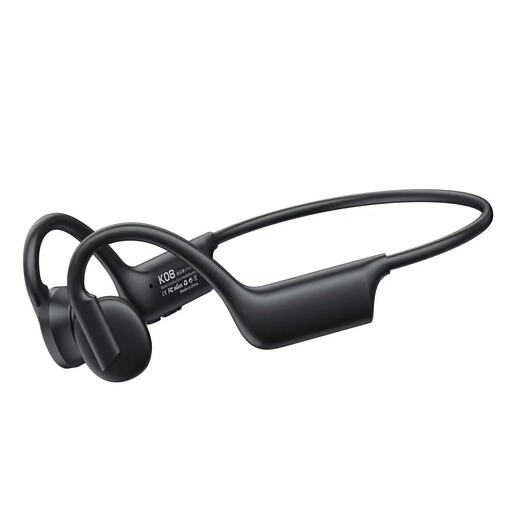
Why this fits the profile: The ear-hook design and bone conduction construction are aimed at athletes and users who want to stay more aware of their surroundings while listening.
The open wearing style avoids a too-closed-in feeling, but also provides less sound isolation. The manufacturer states a battery life of 8 hours; no IP rating is mentioned, so avoid water and extreme humidity.
Bluetooth, multipoint connection, microphone, voice control and ear-hook design with a stated range of 10 metres or more.
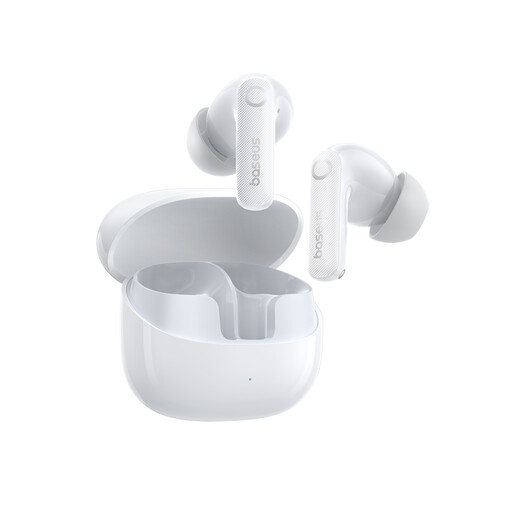
Why this fits the profile: The combination of ANC, USB-C, a stated listening time of 11 hours per earbud and a total battery life of 55 hours suits long working days and travel.
The product specifications list both the playback time per earbud and with the case. IP55 means splash resistance; the model is not intended for submersion or heavy rain.
Bluetooth 5.4, SBC/AAC/LDAC, adaptive hybrid ANC, 6 microphones, USB-C and wireless audio for Bluetooth devices.
We have put together a full, up-to-date list of products that fully meet these strict selection criteria and comply with current European safety regulations.
Open the charging case and activate pairing mode as per the manual. On your phone, go to Settings, choose Bluetooth and select the name of the earbuds. With Apple AirPods, an extra pairing window often appears when you hold the case near an Apple device. Android users can usually pair via the standard Bluetooth menu or a brand-specific app.
Battery capacity decreases over time due to charge cycles. The overall lifespan depends on usage, charging habits, temperature and the quality of the built-in battery. Store the earbuds in the case, avoid extreme heat and do not use a damaged battery. Replacing individual batteries is not intended to be user-serviceable on many compact models.
That depends on the fit and the IP rating. Choose a model that stays securely in place and check whether the manufacturer mentions protection against sweat or splashes. Do not use earbuds in traffic when ANC or a closed fit significantly reduces ambient sound. Keep the volume moderate and take regular listening breaks.
