
Vandaag of morgen in huis

Kwaliteit gegarandeerd

Welkomstaanbiedingen ontgrendelen: GRATIS bezorging | Tot 80% korting | Gratis 30 dagen JoyPlus-proefperiode
Download de app
Wireless earbuds are handy for listening to music, making calls, travelling and commuting. But a long list of features doesn’t automatically mean a model is right for you. A low price can be tempting, but a poor fit, limited battery life or unclear water-resistance claims can often lead to disappointment.
Use these check points to compare Bluetooth earbuds based on practical features, rather than marketing terms alone.
The packaging might state a total playback time of 30, 40 or 50 hours, for example. This figure usually includes the extra capacity of the charging case. The playback time of the earbuds themselves is significantly lower, and can be reduced further by active noise cancellation, high volume or frequent phone calls.
So, check these two figures:
An IP rating indicates the conditions a product is protected against according to its stated specification. IPX4 is mainly designed to protect against splashes and sweat. IPX5 offers protection against water jets under certain conditions. A model with IPX7 can withstand temporary immersion according to its rating, but that doesn’t automatically make the charging case waterproof.
Always check whether the rating applies to the earbuds, the case or both. For example, the Redmi Buds 8 Active have an IP54 rating for the earbuds, while the case isn’t described as splash-resistant.
Active noise cancellation, or ANC, is designed to reduce background noise while you listen. ENC microphones, or microphone noise cancellation, are mainly intended to make your voice clearer during calls. These features therefore serve different purposes.
Claims such as “up to -50 dB” or “blocks a certain percentage of noise” come from the brand’s product information. According to the brand’s own tests, results may vary depending on the environment, fit and sound frequency. Treat these figures as product specifications, rather than a guarantee for every user.
In-ear earbuds usually create a better seal in the ear canal than semi-in-ear models. This can help them block out more background noise and stay in place more securely while you walk. A semi-in-ear design may be more comfortable for anyone who prefers a less closed-off feel.
Check whether the earbuds come with several sizes of ear tips. A good fit affects comfort, bass performance and how well ANC works. For sport, a secure fit and a suitable IP rating matter more than simply having large drivers.
Bluetooth 5.3, 5.4 or 6.1 mainly tells you which connection standard is used. Your experience also depends on your phone, firmware, codec and distance. Features such as multipoint are useful if you regularly switch between devices such as a smartphone and laptop.
Also check compatibility. Some Apple AirPods features work more fully within the Apple ecosystem. Samsung Galaxy Buds may offer extra settings when paired with Galaxy devices. For a straightforward connection to different devices, standard Bluetooth profiles are often enough.
USB-C is a practical choice, as you can often use the same cable for a phone, tablet or laptop. Check whether a cable is included and whether wireless charging is available. When comparing earbuds with long battery life, look at the combined figure for the earbuds and case, rather than just the biggest number in the product title.
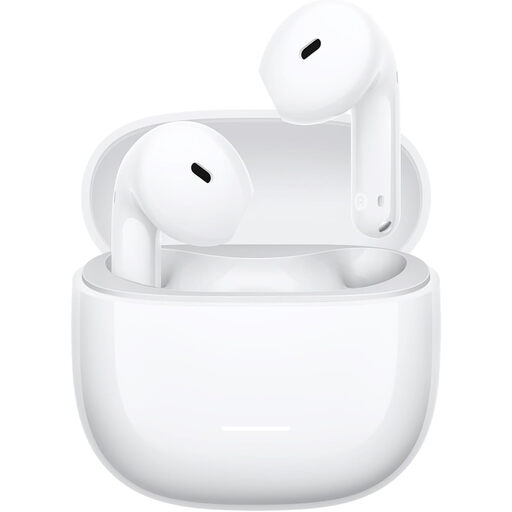
Why it suits this profile: This model offers Bluetooth 5.4, USB-C, up to 7 hours of playback per charge and up to 37 hours with the case. It’s a good fit for everyday listening if you’re not looking to pay extra for a full set of premium features.
The product specifications list battery life per charge and in total separately. The IP54 rating applies to the earbuds, not the case, so you can judge their water resistance accurately.
14.2mm dynamic driver, dual microphones for calls, USB-C and a weight of around 3.8 grams per earbud.

Why it suits this profile: This model is aimed at users who value ANC, extensive sound settings and integration with Galaxy devices.
Battery life is listed separately: up to 6 hours with ANC and 7 hours without it, with up to 30 hours in total using the case. IP57 is designed to protect against dust and splashes, not for swimming.
Two-way speakers, 6 microphones, ANC, Bluetooth 6.1, USB-C, wireless charging and an adjustable 9-band equaliser.
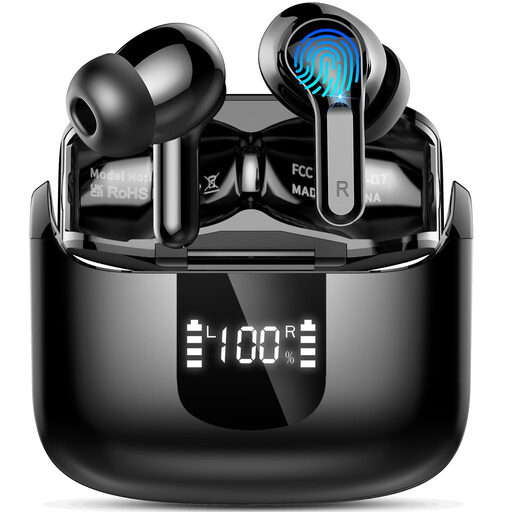
Why it suits this profile: The combination of IPX7, four ENC microphones, USB-C and a stated total battery life of 48 hours is aimed at users who are often on the go or make regular calls.
The product title lists the total battery life, IP rating and number of microphones. If you use the earbuds heavily, check the latest manual and make sure the charging contacts are completely dry before charging.
Bluetooth 5.4, USB-C, four ENC microphones, an IPX7 rating and a stated total playback time of 48 hours.
We’ve put together a full, up-to-date list of products that meet these strict selection criteria and the applicable European safety regulations.
Turn on Bluetooth on your phone, open the charging case and put the earbuds into pairing mode. Select the product name from the Bluetooth list. Some models will show a pop-up on screen. If automatic pairing doesn’t work, remove the old connection and try again.
Playback time per charge often ranges from around 4 to 8 hours, depending on volume, codec and features such as ANC. Battery capacity decreases over time. Keep the earbuds in their case, avoid extreme heat and charge them with a suitable USB-C charger.
It depends on the fit and IP rating. IPX4 may be enough for walking or working out. A higher rating is more practical for more intense exercise in rainy conditions. None of the ratings mentioned automatically makes a model suitable for swimming. Also bear road safety in mind: don’t use noise cancellation when you need to hear the sounds around you.
