
Vandaag of morgen in huis

Kwaliteit gegarandeerd

Welkomstaanbiedingen ontgrendelen: GRATIS bezorging | Tot 80% korting | Gratis 30 dagen JoyPlus-proefperiode
Download de app
Wireless earbuds are convenient for listening to music on the train, taking calls at work and enjoying podcasts while out walking. However, many models look alike, even though differences in comfort, battery life and call quality can be noticeable. A low price is not automatically a bargain if the earbuds stop fitting properly after a few weeks or the battery does not last long enough.
In this buying guide from the Joybuy Product Recommendation Officer, you will learn which specifications you can check, which marketing claims should be treated with some caution and which type of Bluetooth earbuds suits your needs.
Packaging may quote a long playback time with the charging case. This figure usually covers several charges combined. That is why you should also check the playback time per charge. For everyday use, the difference between 3.5, 6 and 10 hours is practically significant. Also check the charging connection, such as USB Type-C, and whether a fast-charging function is listed.
Active noise cancellation, often abbreviated to ANC, uses electronics to counteract ambient sound. Passive noise isolation is mainly created by the fit of the earbuds. A product with a microphone for noise reduction during calls does not automatically have ANC for music.
Claims such as ‘blocks a certain percentage of ambient noise’ come from the brand’s product description. According to the brand’s own research, the measurement method and conditions may vary. Treat such figures as additional information rather than a guarantee of the same experience on a busy train.
The IP code indicates what a product is protected against according to its stated classification. IPX4, for example, is intended to protect against splashes, while IPX5 indicates protection against water jets from a limited direction. Neither classification means that you can submerge the earbuds.
For sports, sports earbuds with an ear hook or secure fit are often more practical. Also check whether the charging case has the same protection, as this is not always the case.
Wireless in-ear headphones usually seal the ear canal more effectively and can therefore reduce ambient noise passively. A half-in-ear model feels more open, but may be less secure during movement. Clip-on earbuds and models with an ear hook distribute their weight differently and are worth considering for walking, fitness and cycling.
For in-ear models, choose the right ear tip size if several sizes are included. A good fit affects both comfort and bass reproduction.
Bluetooth 5.3 or 5.4 can contribute to an efficient and stable connection, but the final performance also depends on the smartphone, tablet or laptop. Also look at the supported audio codecs. Many affordable TWS earbuds use SBC, a common basic codec. Some models also support AAC or LDAC, which is mainly relevant if your source device supports them too.
A newer Bluetooth version number does not automatically mean better sound. Consider the combination of connection, compatibility and intended use.
For earbuds with a microphone, the number of microphones is a useful, but not complete, measure of performance. A model with four or six microphones may support call noise-reduction features. According to the brand’s own information, algorithms can reduce background noise during calls. Clarity also depends on wind, positioning and the phone app being used.
If you have frequent meetings, you could also consider a Bluetooth headset with physical buttons or an over-ear design. This can be more comfortable during longer conversations.
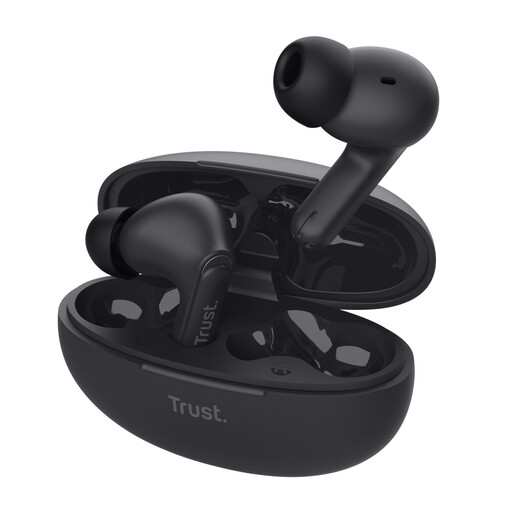
Why it suits this profile: This model is designed for everyday listening and calls without complicated controls. The earbuds use Bluetooth, touch controls and a USB Type-C charging case.
The product details list both approximately 6 hours of playback per charge and 23 hours with the case. The specifications also mention SBC and passive noise reduction, making expectations clearer.
35% recycled plastic according to the product description, dual ENC microphones, touch controls and a charging case.
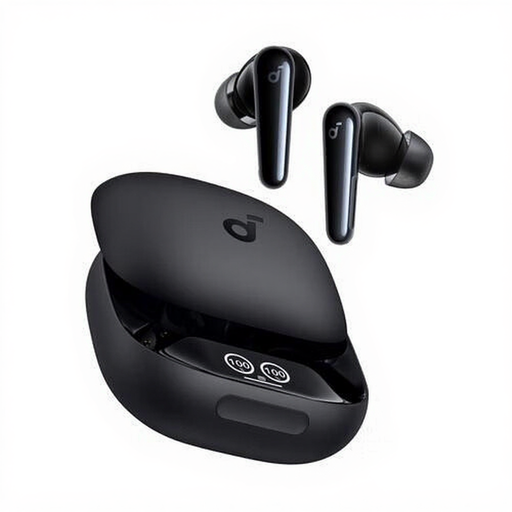
Why it suits this profile: Ideal for anyone who wants to combine music, calls and sports use in one TWS model and values convenient controls and extra accessories.
The IPX5 rating is more specific than a general term such as ‘waterproof’. The stated battery life of 10 hours per charge also makes usage time easy to verify.
Six built-in microphones according to the product specifications, dynamic drivers, touch volume controls, extra ear tips and a USB Type-C case.
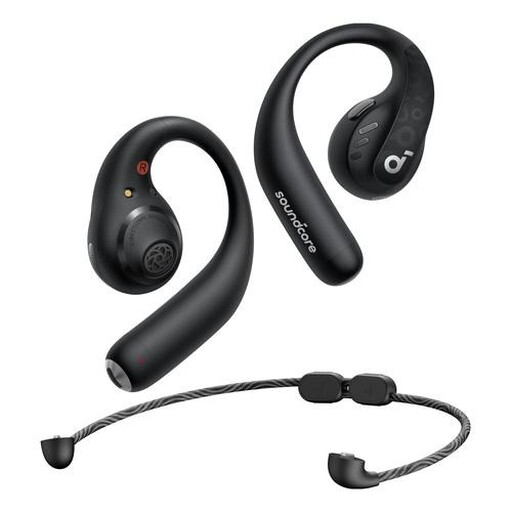
Why it suits this profile: The ear hook is designed for users who want extra stability during sport, walking or an active working day without a traditional headband.
The fit does not rely solely on a loose in-ear tip. The IPX5 rating provides a specific indication of protection against splashes and sweat, but submersion is still not permitted.
Up to 14 hours of playback according to the specifications, Bluetooth 5.3, AAC, LDAC and SBC profiles, plus controls for calls, tracks and volume.
We have put together a complete, up-to-date list of products that fully meet these strict selection criteria and the applicable European safety regulations.
First charge the earbuds, put them into pairing mode and then open your phone’s Bluetooth settings. Select the product name from the list. If the device has been paired before, the connection may be established automatically. If this does not work, remove the old Bluetooth pairing and try again according to the manual.
This depends on battery capacity, charging habits and usage. Pay attention to the difference between playback time per charge and total playback time with the charging case. Keep TWS earbuds in the case when you are not using them and do not expose the lithium battery to heat or moisture.
They can be, but check which type of noise reduction is meant. ANC is intended for listening, while ENC or microphone noise reduction mainly supports calls. Actual clarity is also affected by wind, the distance from the phone and the calling app being used.
