
Vandaag of morgen in huis

Kwaliteit gegarandeerd

Welkomstaanbiedingen ontgrendelen: GRATIS bezorging | Tot 80% korting | Gratis 30 dagen JoyPlus-proefperiode
Download de app
Wireless earbuds are useful for listening to music, making calls, travelling and exercising. However, a long list of features means little if the design does not suit your ears or the way you use them. For example, a model with active noise cancellation may be less suitable for cycling, while open-ear earbuds provide less isolation on a busy train.
The most important question is therefore not which feature takes up the most space on the packaging, but which combination of fit, battery life, audio features and protection against moisture suits your daily routine.
“Up to 28 hours” usually refers to the earbuds plus the charging case. Playback time per individual charge is often considerably lower. Noise cancellation, high volume, phone calls and an active connection to multiple devices can also affect battery life.
So pay attention to both figures:
In-ear Bluetooth earbuds seal the ear canal and can be comfortable when travelling. However, they may come loose during intense movement if the earbuds or silicone tips do not fit properly. Clip-on earbuds and open-ear earbuds distribute their weight differently and stay securely in place for some users.
An open design lets in ambient sound. This can be practical when walking or running, but provides less sound isolation on a noisy train. Also check whether the model is genuinely open-ear rather than simply having an ear hook.
An IPX4 rating means protection against splashes and sweat according to the product specification, not protection against immersion. IPX5 offers greater protection against water jets, but the charging case may still be vulnerable. Check the protection rating of the earbuds and the case separately.
Do not use water-resistant earbuds while swimming, and keep the charging case dry.
Choose a design based on how you use it:
A low weight helps with prolonged wear, but it does not guarantee comfort. The shape of the outer ear varies from person to person. So check the dimensions, weight and included fit accessories.
Bluetooth 5.3 or 5.4 can provide a modern connection with lower energy consumption, but actual stability also depends on your phone, laptop and surroundings. Also look for features such as:
A higher Bluetooth version does not automatically mean better sound quality. The codec and support provided by your smartphone also play a part.
For earbuds used for calls, the number and positioning of the microphones, as well as wind protection, are relevant. The product description may mention beamforming or algorithmic noise cancellation for calls. Present this as a product specification or brand claim, not as a guaranteed result in every environment.
With noise-cancelling earbuds, you should distinguish between:
Do not use ANC in situations where you need to hear traffic, warning signals or other important sounds.
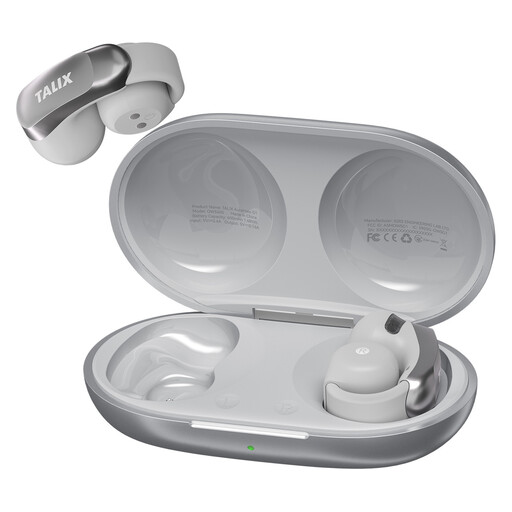
Why it suits this user profile: The clip-on fit and weight of 5.2 grams per earbud are designed for everyday use without sealing the ear canal. According to the product specification, the model offers up to 7 hours of playback per charge and 28 hours with the case.
The total battery life is supplemented by separate playback time and a fast-charging specification. IPX4 is more clearly interpreted as protection against sweat and light rain, not protection against immersion.
5.2 grams per earbud, Bluetooth 5.3, four microphones, up to 28 hours with the case and an IPX4 rating.
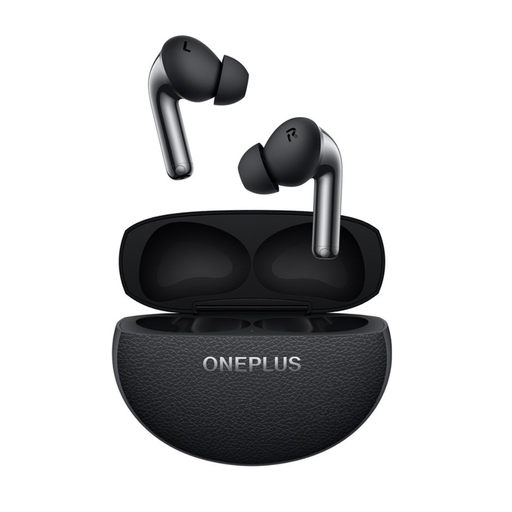
Why it suits this user profile: This in-ear model combines ANC, multipoint, Bluetooth 5.4 and support for AAC, SBC and LHDC. According to the product information, battery life is up to 12 hours and up to 44 hours with the case.
The specifications state battery life both with and without noise cancellation. The IP55 rating clearly defines the limits for dust and splashing water; swimming remains outside its intended use.
ANC, multipoint, Bluetooth 5.4, three microphones with VPU and a stated IP55 rating.
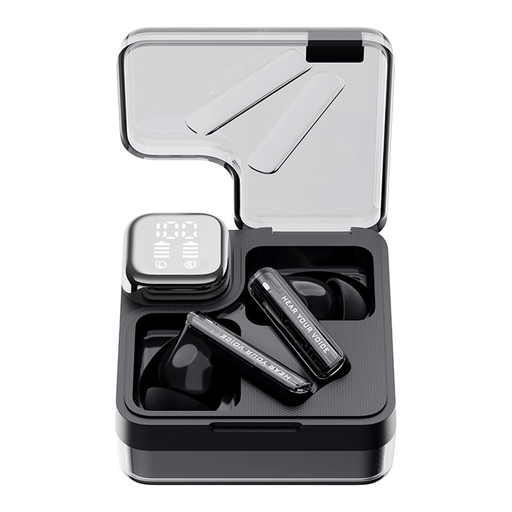
Why it suits this user profile: The product specification lists ANC for listening, ENC for calls, a low-latency mode of 0.06 seconds and support through the QCY app. This makes it suitable for travelling, everyday calls and gaming.
The stated IPX5 protection applies to sweat and splashing water on the earbuds. The case is not water-resistant and must be kept dry.
ANC and ENC, approximately 6 to 7 hours per charge, around 28 hours in total, IPX5 and an app with equaliser functions.
If you want to continue hearing ambient sound while walking, running or working, consider the Soundcore AeroClip open-ear clip-on earbuds. According to the product specification, this model has an open-ring design, a 12 x 12 millimetre titanium-coated driver and four beamforming microphones. The stated flexibility of the ring is a Soundcore brand claim, so treat it as a product specification rather than a guarantee for every user.
An alternative is the Baseus Eli Sport 1 Open-Ear TWS, with Bluetooth 5.3, a 16.2-millimetre driver and approximately 7 to 8 hours of playback time according to Baseus measurements. Based on Baseus’s own measurements, actual battery life may vary depending on volume and circumstances.
We have put together a complete, up-to-date list of products that fully meet these strict selection criteria and the applicable European safety regulations.
Open your phone’s Bluetooth settings, charge the earbuds and remove them from the case. Select the product name from the list. If the device has been paired before, this often happens automatically. If it does not work, remove the old pairing and follow the reset instructions in the manual.
Battery capacity decreases over time, particularly if the earbuds are often completely drained or exposed to heat. Do not store the case in direct sunlight, and charge it according to the manufacturer’s instructions. Physical lifespan also depends on the hinges, charging contacts, sweat, dust and daily maintenance.
In addition to the purchase price, replacement earbuds, a charging cable and, where applicable, an app are the main considerations. Check whether silicone tips are available separately and whether the case uses USB-C. A model with longer total battery life may need charging less often, but power consumption remains limited under normal use.
