
Vandaag of morgen in huis

Kwaliteit gegarandeerd

Welkomstaanbiedingen ontgrendelen: GRATIS bezorging | Tot 80% korting | Gratis 30 dagen JoyPlus-proefperiode
Download de app
Wireless earbuds are handy for music, podcasts, phone calls and commuting. However, a long list of features does not automatically mean that a model will suit the way you use it. A low price may, for example, come with a limited fit, while a claim about noise cancellation says little about microphone quality during a call.
The right choice therefore starts not with the number of features, but with three questions: how should the earbuds fit, where will you use them and which specifications can be verified?
A product may state a long total playback time, but this figure often applies to the earbuds plus the charging case. Always check:
For example, the JBL Wave Buds 2 are listed as offering up to 40 hours of total playback with active noise cancellation switched off. According to the specifications, the earbuds themselves provide up to 8 hours of music playback. That difference matters if you do not want to keep putting the earbuds back in the case during a long journey.
ANC, or active noise cancellation, uses microphones and electronics to reduce ambient noise. This is particularly useful on trains, aeroplanes or in the office. However, it does not provide complete isolation from the ear canal, and its effectiveness can vary depending on the situation.
Also pay attention to the difference between:
According to the product description for the Soundcore Liberty 4 NC, this model features active noise cancellation and six microphones. The stated performance is a manufacturer’s product claim; the actual experience depends, among other things, on the fit, ambient noise and settings.
Open-ear earbuds and models with an ear clip generally remain outside the ear canal. This can be comfortable and helps you stay more aware of your surroundings. You still need to remain alert in heavy traffic, when cycling or when running; open-ear does not automatically mean that you can take part in traffic safely.
Also check the IP rating. IPX4 means protection against splashing water, such as sweat or light rain. It is not a guarantee that the product can be submerged. The Baseus Bowie MC1 product information even explicitly states that the model must not be exposed to water, rain or high humidity. A water-resistant model is therefore not the same as a waterproof model.
In-ear earbuds partially seal the ear canal and can therefore reduce ambient noise more effectively. Choosing the right ear tip size is important for comfort and sound quality. If the size is wrong, they may feel loose or put too much pressure on your ears.
Open-ear earbuds rest on or around the ear. They are worth considering for walking, office work and light exercise when you want to remain aware of surrounding sounds. Bass may be experienced differently compared with a sealed in-ear model.
Earbuds with an ear clip or ear hook provide extra support while you are moving. Check whether the material is flexible and whether the weight of each earbud is stated. According to the product information, the sanag G6S weighs approximately 5.6 grams per earbud. This provides a verifiable starting point when comparing sports earbuds.
Bluetooth 5.3 or 5.4 appears in many recent specification lists. The version alone does not fully determine how stable the connection will be in practice. Also look at:
Multipoint is particularly useful if you switch between a laptop and a smartphone. The Sony WF-C510 lists Bluetooth 5.3 and multipoint. According to the product information, the Bose QuietComfort Ultra Earbuds also support Bluetooth 5.3 and multipoint.
For earbuds used for calls, the number of microphones, their positioning and wind protection are more important than a marketing term such as “crystal clear”. According to the product specification, the Soundcore AeroClip has four beamforming microphones and wind-blocking mesh. The product description says this is intended to support calls in noisy environments. Treat this as a technical feature, not as a guaranteed result in every environment.
When choosing sports earbuds, also compare the IP rating. According to the stated specifications, the sanag G6S has IPX4, making it suitable for sweat and light rain. This rating is not suitable for swimming or prolonged exposure to water.
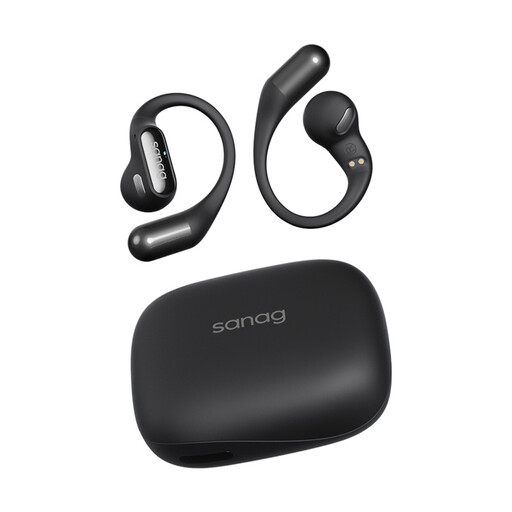
Why it suits this profile: The open-ear ear hook and weight of around 5.6 grams per earbud suit users trying sports earbuds for the first time who do not want pressure in the ear canal.
The product specification lists Bluetooth 5.3, IPX4 and battery life of approximately 26 to 48 hours including the case, depending on usage.
Open-ear design, touch controls, USB-C charging case and IPX4 rating according to the stated specifications.
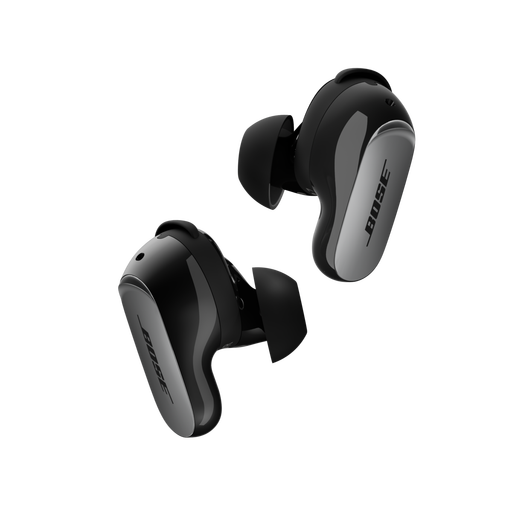
Why it suits this profile: This in-ear model is aimed at travellers and professionals looking for Bluetooth 5.3, multipoint and active noise cancellation.
The product specification distinguishes between up to 6 hours per charge and additional capacity provided by the case. The IPX4 rating sets realistic expectations regarding water exposure.
ANC, Aware Mode, USB-C and wireless charging, plus three sizes of ear tips and stability bands according to the product information.
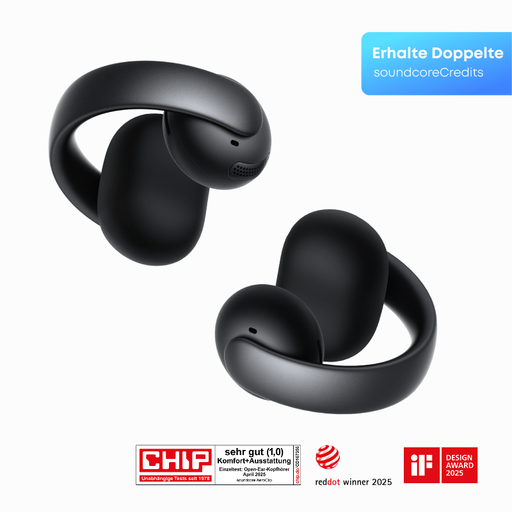
Why it suits this profile: The open-ear clip-on design is intended for extended wear while commuting, walking, working and doing light exercise.
The manufacturer states that it has a flexible open-ring construction and four beamforming microphones. These claims describe the design, but do not guarantee identical call quality in every environment.
The listing mentions Hi-Res Audio, Virtual Bass, a 12 × 12 mm driver and a design for everyday use.
We have put together a complete, up-to-date list of products that fully meet these strict selection criteria and the applicable European safety regulations.
First, charge the earbuds and the case. Then open the Bluetooth settings on your smartphone and take the earbuds out of the case. Select the product name from the list of available devices. When pairing for the first time, you may need to press and hold the button on the case or the touch surface for a few seconds. Consult the manual if automatic pairing mode does not start.
Battery life per charge often ranges from a few hours to around ten hours, depending on volume, codec, ANC and phone calls. The case can provide several additional charges. The lifespan of the built-in battery depends on charging cycles, heat and usage. Keep the earbuds dry, charge them with a suitable USB-C charger and clean the charging contacts regularly.
Open-ear earbuds can be comfortable for walking, fitness and running because they leave the ear canal open. When choosing sports earbuds, always check the fit and IP rating. IPX4 is suitable for sweat and light splashes of rain, but not for swimming or submersion. Do not use earbuds while cycling or in other situations where you need to remain fully focused on the traffic at all times.
