
Vandaag of morgen in huis

Kwaliteit gegarandeerd

Welkomstaanbiedingen ontgrendelen: GRATIS bezorging | Tot 80% korting | Gratis 30 dagen JoyPlus-proefperiode
Download de app
Wireless earbuds are handy for listening to music, making calls, travelling and exercising. But the choice can be more complicated than it first appears. Terms such as ANC, Hi-Res Audio, long battery life and water resistance sound appealing, but they don’t always tell the whole story.
Keep an eye out for these three common pitfalls:
Earbuds with long battery life can be described using several different figures. For example, a pair might offer 6 hours of playback on a single charge, with the charging case providing several additional charges. That’s useful for commuting, but less important if you usually wear your earbuds for short periods.
Check the following:
According to the product information, the Bose QuietComfort Ultra Earbuds (2nd Gen) offer up to 6 hours of playback in Quiet or Aware mode, and up to 4 hours with Immersive Audio. The case can be charged via USB-C or wirelessly. The Sony WF-C510 is listed with a total battery life of 22 hours, including the charging case.
A good fit affects not only comfort, but also how your earbuds sound. In-ear earbuds use silicone tips to seal the ear canal. This can help reduce ambient noise, but not everyone finds it comfortable.
Check the following:
The Bose QuietComfort Ultra Earbuds come with different ear tips and stability bands. According to Bose, its CustomTune technology adapts the sound to the shape of your ear. This is a claim made by the brand; your experience may vary.
Open-ear sports earbuds may be a better option for exercise. The sanag G6S has an open-ear hook design that leaves your ear canal unobstructed. This can be useful if you want to stay more aware of your surroundings while running or cycling.
ANC earbuds use microphones and electronics to counter certain ambient sounds. Constant noise, such as the sound of a train or plane, may seem less noticeable as a result. Voices and sudden sounds aren’t always reduced in the same way.
For calls, the microphone and call noise reduction are important. Check the difference between:
An IPX4 rating is suitable for sweat and light rain, but not for submersion. According to the product information, models with IPX5 offer greater protection against water jets. Always check the full manual, and keep the charging case dry if it doesn’t have its own water-resistance rating.
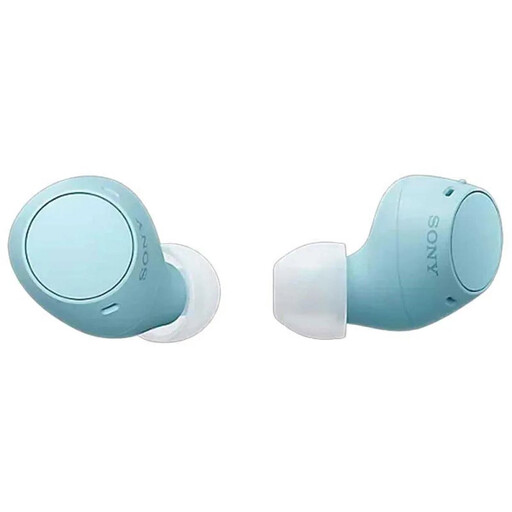
Why it suits this profile: A straightforward pair for music, podcasts and everyday travel, with multipoint connectivity for pairing with two devices.
The product information lists the total battery life of 22 hours, Bluetooth 5.3 and IPX4 separately. This makes it clear what to expect from the earbuds and their level of protection.
4.6 grams per earbud, USB-C, Ambient Sound Mode and three sizes of silicone ear tips.
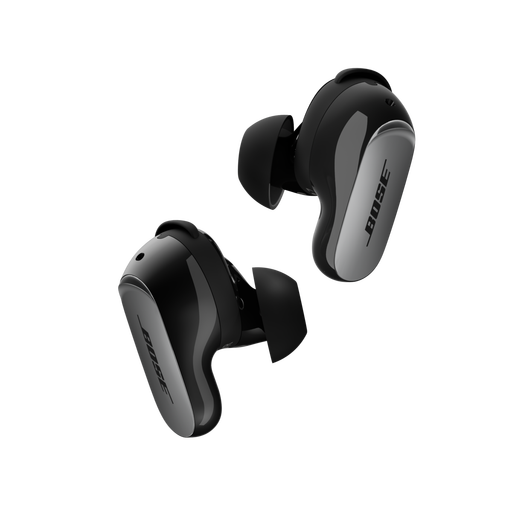
Why it suits this profile: Designed for listeners who value adjustable noise cancellation, personalised sound settings and wireless charging.
Listening time with and without Immersive Audio is listed separately. You can also adjust or switch off noise cancellation to save battery.
Bluetooth 5.3, up to 6 hours of playback, CustomTune according to Bose, IPX4, and a case with USB-C and wireless charging.
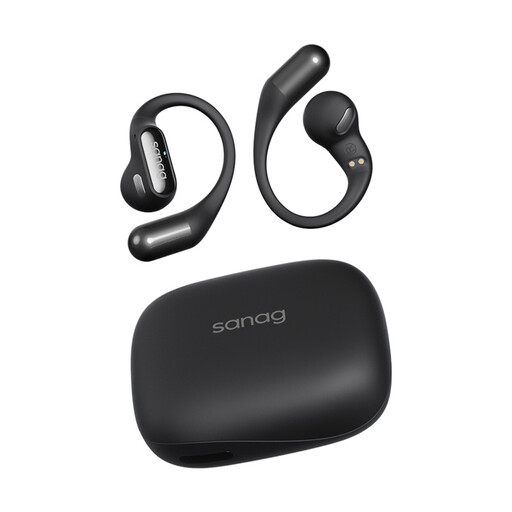
Why it suits this profile: An open-ear design with an ear hook for running, fitness and outdoor use, when staying aware of your surroundings matters.
The open-ear fit doesn’t block the ear canal. This makes it an alternative for anyone who finds in-ear earbuds uncomfortable.
Around 5.6 grams per earbud, Bluetooth 5.3, touch controls, ENC for calls and IPX4.
We’ve put together a complete, up-to-date list of products that meet these strict selection criteria and the applicable European safety regulations.
First, charge the earbuds and the case. Then open the Bluetooth settings on your phone and either take the earbuds out of the case or press and hold the pairing button. Select the product name from the list. The next time you connect, True Wireless earbuds will usually connect automatically to the last device you used.
Battery capacity decreases over time, particularly if the earbuds are often allowed to run completely flat or are exposed to heat. Their practical lifespan also depends on how you use them, the charging case and the availability of software updates. Keep your earbuds dry and clean the charging contacts regularly.
That depends on the fit and IP rating. Sports earbuds with an ear hook or stability band may stay in place better while you move. IPX4 is suitable for sweat and light rain, but not for submersion. Don’t use noise cancelling in situations where you need to hear traffic or warning sounds clearly, such as cycling on busy roads.
