
Vandaag of morgen in huis

Kwaliteit gegarandeerd

Welkomstaanbiedingen ontgrendelen: GRATIS bezorging | Tot 80% korting | Gratis 30 dagen JoyPlus-proefperiode
Download de app
Wireless earbuds are handy for listening to music, making calls, travelling, exercising and working from home. But a long list of features doesn’t automatically mean a model is right for the way you’ll use it. Terms such as ANC, 9D sound, AI microphones and dozens of hours of battery life can also give a misleading impression.
Look out for these three common pitfalls:
Choose between in-ear, semi-in-ear and open-ear designs. True wireless earbuds usually sit in your ear canal with a silicone tip. This can provide a secure fit and passive noise isolation, but not everyone finds it comfortable.
Open-ear headphones or an ear-clip design sit outside the ear canal. They’re practical if you want to stay aware of your surroundings while walking, cycling or working in the office. The sound and bass may differ from what you get with closed in-ear models.
For in-ear models, check which sizes of ear tips are included. The wrong size can make the earbuds feel loose or the controls less comfortable to use.
Always check these three details:
USB-C earbuds are practical because you can often use the same cable for a smartphone, tablet or laptop. Check whether fast charging is actually listed and what conditions the quoted battery life is based on. Manufacturers usually measure it at a particular volume and sometimes with features such as ANC switched off.
A model with long battery life is especially useful for commuting, long-haul flights and working days. For occasional use, a compact model with a shorter listening time may be enough.
Bluetooth 5.4 or Bluetooth 6.0 tells you which connection standard is used, but it doesn’t, on its own, tell you how stable the connection will be. Also check whether the model works with your phone, laptop or games console.
For calls, earbuds with a microphone have one or more microphones. ENC or AI noise cancellation may help reduce background noise during calls, according to the product description. That doesn’t guarantee your voice will come through clearly in every busy setting.
For exercise, sports earbuds with an IP rating are worth considering. Under the usual classification, IPX5 protects against water jets, while IPX4 protects against splashes. Neither rating makes a product suitable for swimming. Also check whether the charging case has the same protection.
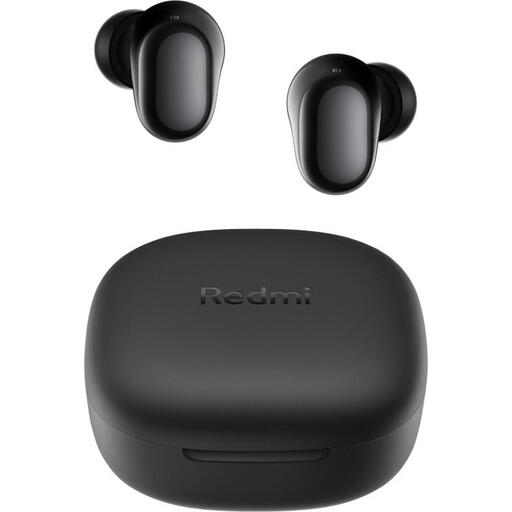
Why this suits this type of user: A compact model for everyday listening, calls and travel, without complicated features you may never use.
The specifications list 7.5 hours of playback separately, and up to 36 hours with the case. The IPX4 rating applies to the earbuds only; they are not suitable for submersion.
Bluetooth 5.4, USB-C, 10mm dynamic drivers and a weight of 3.6 grams per earbud.
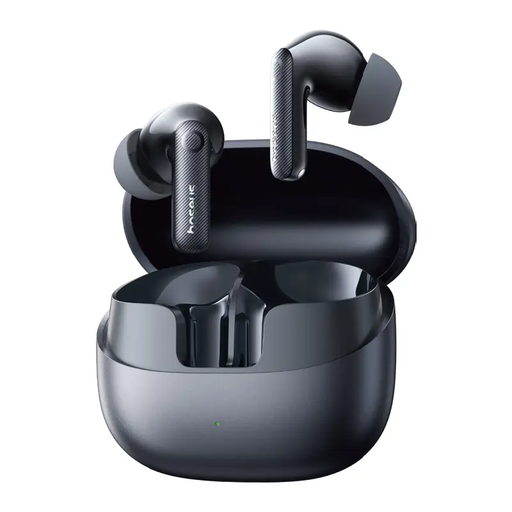
Why this suits this type of user: Designed for listeners who value active noise cancellation, codecs and extended battery life.
The quoted 55 hours is for the earbuds and case combined. The manufacturer lists around 11 hours of listening per charge at 50% volume. IP55 is intended to protect against splashes and sweat, not submersion.
According to the product information, this model features adaptive hybrid ANC up to 50 dB, Bluetooth 5.4, LDAC, six microphones and USB-C.
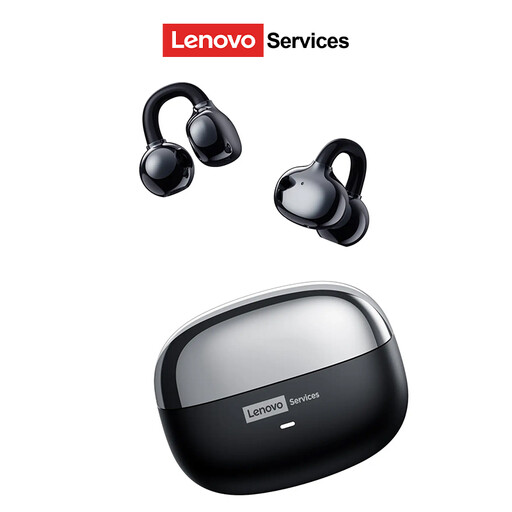
Why this suits this type of user: The open-ear design is a good fit for people who want to stay aware of their surroundings while working in the office, walking or exercising.
As this isn’t a sealed in-ear model, you won’t expect complete passive isolation. The description mentions ENC and wind reduction; try it out to see whether it suits your surroundings.
Open-ear ear-clip design, compatibility with Android, iOS and Windows, and up to 25 hours of battery life according to the product information.
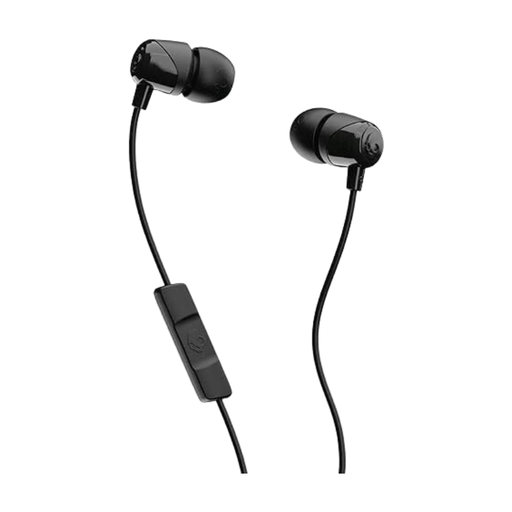
Why this suits this type of user: A practical choice for laptops, tablets and devices with a 3.5mm jack, with no charging or Bluetooth pairing required.
There’s no quoted wireless battery life to misinterpret. Check whether your smartphone has a 3.5mm jack or needs a suitable adapter.
Wired in-ear connection, an integrated microphone and in-line controls, according to the product information.
We’ve put together a complete, up-to-date list of products that meet these strict selection criteria and the applicable European safety regulations.
Open the Bluetooth settings on your phone, put the earbuds into pairing mode and select the product name. On many models, pairing mode starts automatically when you open the case. If that doesn’t work, remove any previous Bluetooth connection and check the manual.
Listening time per charge varies by model and volume. Overall lifespan depends on factors such as the built-in battery, charging cycles, heat and maintenance. Keep the case dry, charge it as instructed, and don’t use a damaged cable or casing.
It depends on the fit and IP rating. IPX4, IPX5 or IP55 may offer protection against sweat or splashes, but they don’t make a model suitable for swimming. Also check that the earbuds stay securely in place, and keep the volume low enough to hear traffic and warning signals.
