
Vandaag of morgen in huis

Kwaliteit gegarandeerd

Welkomstaanbiedingen ontgrendelen: GRATIS bezorging | Tot 80% korting | Gratis 30 dagen JoyPlus-proefperiode
Download de app
Wireless earbuds are useful for music, podcasts, calls, travel and exercise. However, a long list of features does not automatically mean that a model suits your everyday needs. A low price may seem appealing, for example, while the fit, battery life or protection against moisture may disappoint.
Pay particular attention to three common pitfalls:
Do not just compare the total number of hours with the charging case. Also check the playback time of a single earbud and the effect of features such as ANC. According to the product information, the Sony WF-C710N offers up to 30 hours with noise cancelling and up to 40 hours without it. The Baseus Bass EP10 Pro states a listening time of up to 11 hours at 50 per cent volume.
A USB-C connection, fast charging and a battery indicator make everyday use easier. Also check whether the case has enough capacity for your commute, working day or long journey.
The IP classification consists of numbers and letters. With earbuds, you will often see a code such as IPX4, IPX5 or IP55. The X means that no specific dust-resistance rating has been provided. The second digit indicates protection against water.
A model with IPX4 or IP55 is therefore not automatically suitable for swimming. The charging case may also have a lower protection rating than the earbuds. Dry the earbuds and charging contacts before storing or charging them.
True Wireless earbuds consist of two separate earbuds without a connecting cable. They are compact, but the fit determines whether they stay in place while walking or cycling. Sports earbuds with an earhook or clip can provide extra stability.
Open-ear earbuds let in ambient sound. This can be practical in the office or while walking, but music is generally less isolated from wind and traffic. Bone conduction headphones usually rest beside or in front of the ear. According to Verbex product information, the K08 and BL09 are intended for activities including running and cycling. With a swimming model, always check the usage mode and the manufacturer’s instructions.
Bluetooth 5.3 or 5.4 mainly indicates the connection standard, not sound quality directly. Also check support for multipoint, codecs and microphones. For earbuds for calls, multiple microphones and noise reduction during calls are relevant, but results may vary depending on your surroundings and phone.
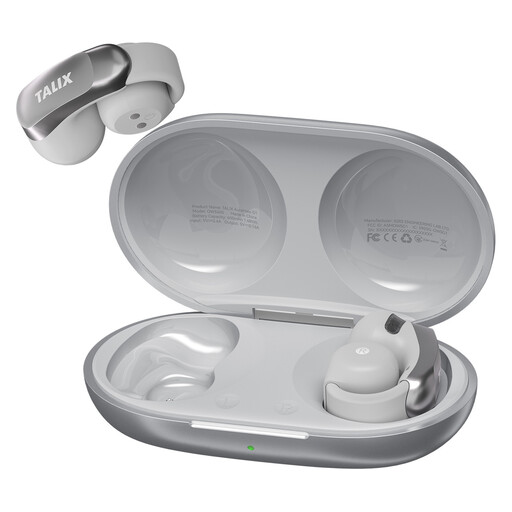
Why this suits the profile: The clip-on design and weight of 5.2 grams per earbud are practical for everyday use, online meetings and light workouts.
The specifications state separate playback times of up to 7 hours and 28 hours with the case. The IPX4 rating makes it clear that this model is not intended for submersion.
Bluetooth 5.3, four microphones, fast charging and a silicone earhook. Suitable for sweat and light rain according to the stated IPX4 rating.
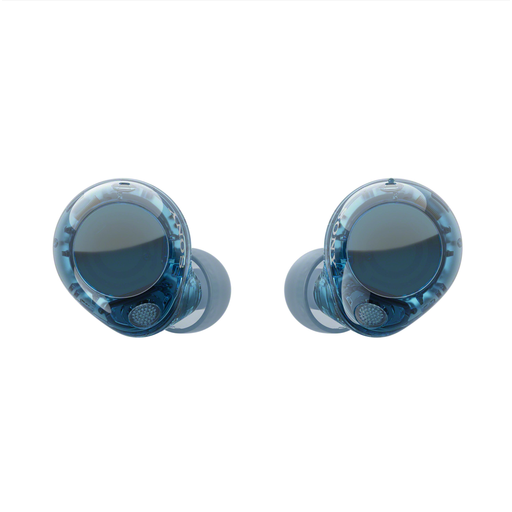
Why this suits the profile: This in-ear model combines active noise cancelling, multipoint and touch controls for travel, the office and everyday listening.
Battery life is stated separately for use with and without noise cancelling. IPX4 indicates splash resistance, not suitability for swimming.
Bluetooth 5.3, AAC and SBC codecs, multipoint, a microphone and a stated two-year manufacturer’s warranty.
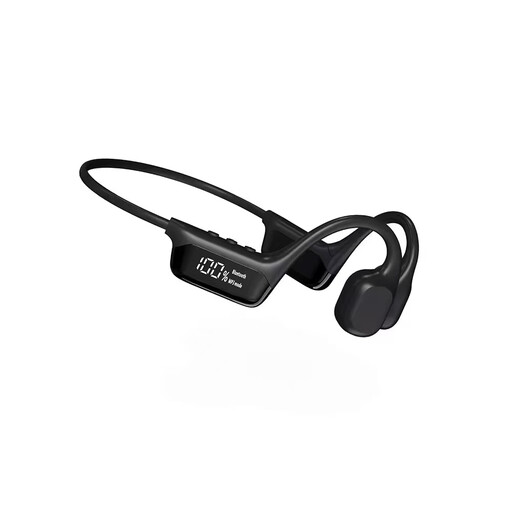
Why this suits the profile: The open-ear bone conduction design is aimed at sports and situations where you do not want to be completely cut off from your surroundings.
The product information mentions a swimming mode and Bluetooth 5.3, but also states that the charging port must be completely dry. Before use, therefore, check the correct MP3 or internal mode.
Open-ear design, earhook attachment, multipoint according to the product description and a stated weight of 80 grams.
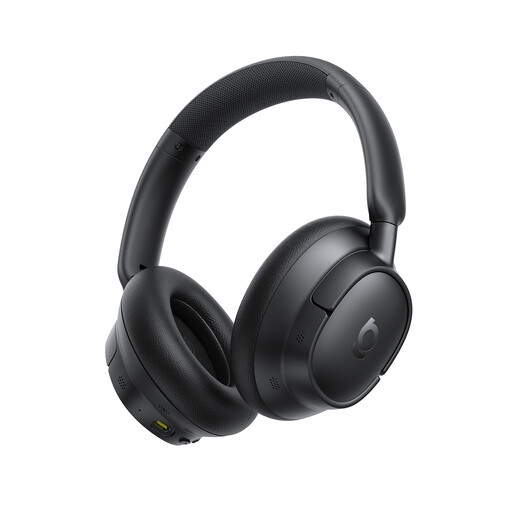
Why this suits the profile: Over-ear wireless headphones can be comfortable during longer listening sessions, train journeys and desk-based work.
The stated playback time is differentiated between ANC on and off: up to 55 and 80 hours. Five microphones and LDAC support are also listed separately.
Over-ear design, hybrid active noise isolation, LDAC, fast charging and a stated battery life of up to 80 hours without ANC.
We have put together a complete, up-to-date list of products that fully meet these strict selection criteria and the applicable European safety regulations.
Charge the earbuds and case first. Then open your smartphone’s Bluetooth settings and select the product name. With many True Wireless earbuds, pairing starts automatically when you open the case. If it does not work, remove the old pairing and follow the reset instructions in the manual.
Battery life per charge varies by model and settings. ANC, volume, phone calls and temperature all affect battery performance. The overall lifespan of the built-in battery depends on charging cycles and usage. Ideally, store your earbuds in the case, avoid heat and use a suitable USB-C charger.
Active noise cancellation can reduce ambient sound. As a result, you may be less able to hear traffic or other warnings. When cycling, it is preferable to use a transparency mode or open-ear model when you need to remain aware of your surroundings. Always follow traffic regulations and the manufacturer’s safety warnings.
