
Vandaag of morgen in huis

Kwaliteit gegarandeerd

Welkomstaanbiedingen ontgrendelen: GRATIS bezorging | Tot 80% korting | Gratis 30 dagen JoyPlus-proefperiode
Download de app
Wireless earbuds are ideal for commuting, working from home, exercise and everyday listening. However, a long list of features does not automatically mean a model will suit the way you use it. A low price may look appealing, for example, while the fit disappoints or the battery life is only achieved under ideal conditions.
So pay particular attention to these three common pitfalls:
True wireless earbuds often list two figures: playback time per charge and total usage time with the charging case. This distinction is important if you take long train journeys or want to get through several working days without needing a power socket.
Also check whether the stated battery life applies with active noise cancelling (ANC) switched on. The JBL Wave Buds 2, for example, are listed with up to 40 hours of total playback when ANC is switched off. The individual specifications also state up to 8 hours of music playback and a fast-charging function.
A model with shorter playback time per charge can still be practical if the case can recharge the earbuds several times. Also pay attention to the connector: USB-C is now the most common choice for charging.
An IP rating consists of numbers and sometimes an X. The first number indicates protection against solid particles, while the second refers to water. A product with IPX5 is classified as protected against water jets under certain conditions, but that does not make it suitable for submersion.
For running in light rain, splash-resistant Bluetooth earbuds may be sufficient. For swimming, you need a model whose manufacturer explicitly permits use in water and states the appropriate rating. The Samsung Galaxy Buds4 Pro, for example, are described as IP57; the accompanying safety information states that they are not intended for swimming.
After exercise, dry the earbuds and, in particular, the charging contacts before storing or charging them.
A good fit affects comfort, sound isolation and how well ANC works. The Apple AirPods Pro 3 come with five sizes of silicone ear tips. This gives you more options for finding a suitable seal, but every user experiences the fit differently.
For calls, noise-cancelling microphones are important. Do not just look at the number of microphones; consider the environment in which you will use them, too. Wind, traffic and a busy office place greater demands on the earbuds than a phone call in a quiet room.
If you want to continue hearing traffic while cycling or walking, open-ear earbuds or bone conduction headphones may be a better choice. These designs block the ear canal less. As a result, the listening experience and bass may differ from those of a closed in-ear model.
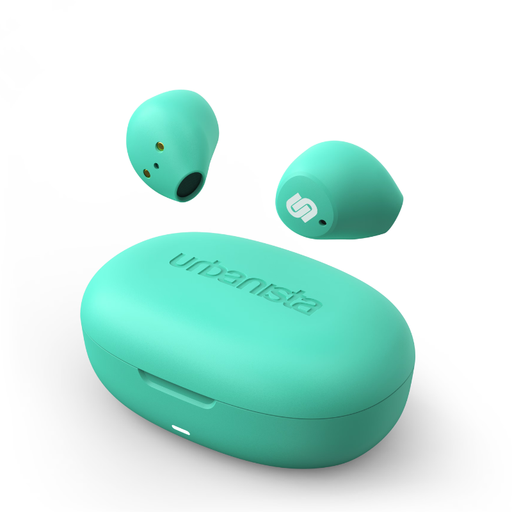
Why it suits this profile: Compact Bluetooth earbuds for everyday listening, commuting and straightforward phone calls.
The stated figures distinguish between 9 hours per charge and 27 hours with the case. The product specification states passive noise isolation, not active noise cancellation.
4 grams per earbud, Bluetooth 5.2, USB-C and a charging case included.

Why it suits this profile: Designed for Galaxy users looking for ANC, immersive sound and extensive settings.
The specifications list separate battery life figures with ANC switched on and off: 6 and 7 hours respectively. The IP57 rating should not be interpreted as meaning the earbuds are suitable for swimming.
Two-way speaker system, six microphones, Bluetooth 6.1, USB-C and wireless charging.
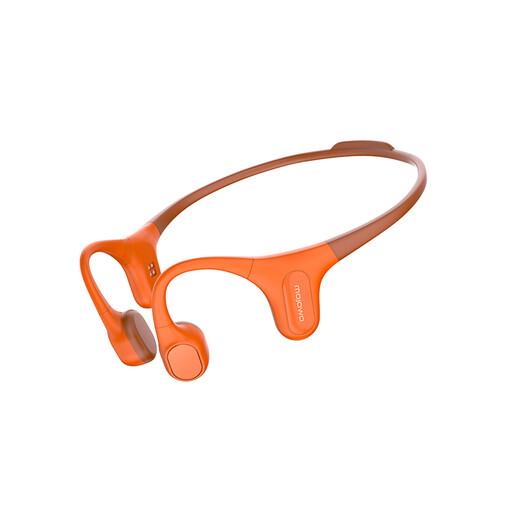
Why it suits this profile: An open-ear solution for running, cycling, swimming and training where staying aware of your surroundings matters.
The design does not block the ear canal. The product listing states IP68 and 32 GB of built-in storage; always check the latest manual before swimming and only charge the device once it is completely dry.
Bone conduction design, open-ear fit, 32 GB of storage and Bluetooth connectivity.
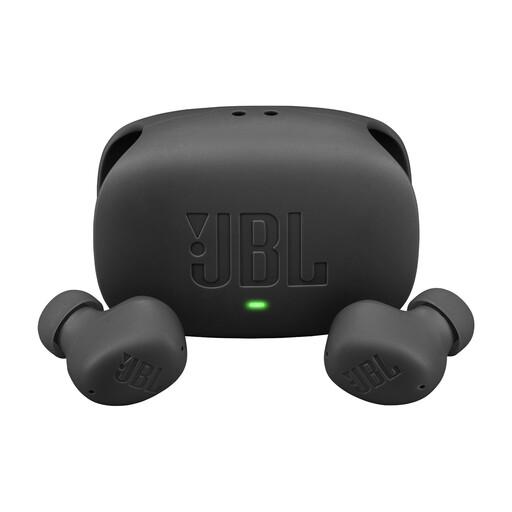
Why it suits this profile: A versatile model for music, calls and switching between devices such as a phone and laptop.
The product specifications state IP54 for the earbuds and IPX2 for the case. This helps with everyday use, but you should still take care around large amounts of water.
ANC, Smart Ambient, multipoint connection, USB-C and a stated total playback time of up to 40 hours with ANC switched off.
We have compiled a complete, up-to-date list of products that fully meet these strict selection criteria and the applicable European safety regulations.
Charge the earbuds and case first. Then open your phone’s Bluetooth settings, put the earbuds into pairing mode and select the product name. With some brands, setup is carried out through a dedicated app. If the connection does not work, remove the old Bluetooth profile and try again.
Usage time per charge varies depending on the model and settings. ANC, volume, phone calls and temperature all affect battery life. Over time, the capacity of a built-in lithium battery decreases. Store the earbuds in the case, avoid heat and use a suitable USB-C charger to limit unnecessary wear.
That depends on the fit and IP rating. Sports earbuds with ear hooks, clips or an open-ear design may stay more securely in place while you move. Check whether the water resistance only covers sweat and light rain. Do not use a model in the swimming pool unless the product information clearly permits it.
