
Vandaag of morgen in huis

Kwaliteit gegarandeerd

Welkomstaanbiedingen ontgrendelen: GRATIS bezorging | Tot 80% korting | Gratis 30 dagen JoyPlus-proefperiode
Download de app
Wireless earbuds may look similar, but they can differ significantly in comfort, battery life, noise isolation and features. A low price can be tempting, but unclear Bluetooth specifications, a poor fit or limited water resistance may lead to frustration later.
Look out for these three common pitfalls:
For commuting, studying and listening to music, TWS earbuds or wireless in-ear headphones are practical choices. TWS means both earbuds connect wirelessly to each other and to your phone. Check whether several sizes of silicone ear tips are included. According to the product information, the Apple AirPods Pro 3 come with five sizes of ear tips, which may help you find a secure fit.
For running or cycling, ear hooks, a neckband or an open-ear design may stay in place better. Bone conduction headphones typically sit outside the ear canal. Open-ear earbuds let in surrounding sound, which can be useful when you need to hear traffic or colleagues. That doesn’t mean you can stop paying attention to your surroundings while cycling or driving.
Always compare two figures:
For example, the JBL Wave Buds 2 are listed as offering up to 10 hours of play time, or up to 40 hours with the case when noise cancelling is switched off. According to the product specifications, the Samsung Galaxy Buds4 Pro offer 6 hours with ANC and 7 hours without ANC, with total play time of up to 26 or 30 hours including the case.
A model with long battery life isn’t automatically right for everyone. Also check the charging time, connector type, wireless charging support and play time when ANC is on.
An IP rating consists of two digits. The first relates to solid particles such as dust; the second refers to water. IP54, for example, offers different protection from IP57. Also check the manufacturer’s warnings: water-resistant doesn’t always mean suitable for swimming.
According to the product information, the Samsung Galaxy Buds4 Pro have an IP57 rating, but the safety information warns that they aren’t intended for swimming. The Baseus Bowie MC1, on the other hand, isn’t listed as water-resistant in its specifications. This is an important difference if you’ll be exercising in the rain or sweating heavily.
Bluetooth 5.3, 5.4 or 6.1 can provide a modern connection, but your experience also depends on your phone, software and distance from the device. For gaming, a low-latency mode is more useful than a high Bluetooth version number alone. For calls, multiple microphones and noise reduction during calls are useful specifications to look for.
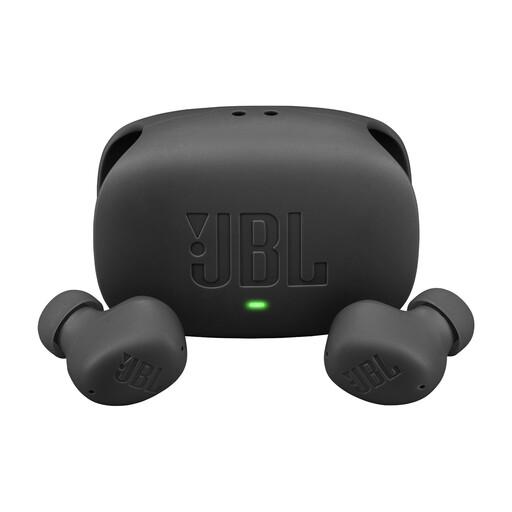
Why it suits this user: This model combines Bluetooth, active noise cancellation, a microphone and a charging case for everyday use. According to JBL, total play time is up to 40 hours with ANC switched off.
The specifications distinguish between play time with and without ANC. This makes it easier to compare the battery claim with those of other Bluetooth earbuds.
IP54-rated earbuds, multipoint connection, USB-C and a listed play time of up to 8 hours according to the product specifications.
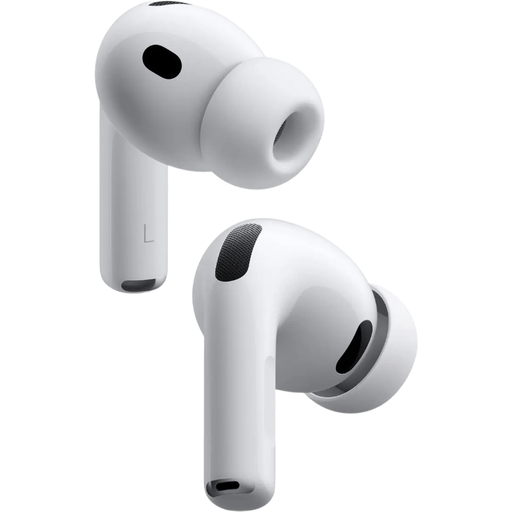
Why it suits this user: These in-ear earbuds are aimed at Apple users who value active noise cancellation, spatial audio and easy switching between Apple devices.
The five included sizes of silicone ear tips let you adjust the fit. The product information also lists separate battery figures for ANC and transparency mode.
Bluetooth 5.3, active noise cancelling, a microphone, USB-C and an IP57 rating according to the product specifications.
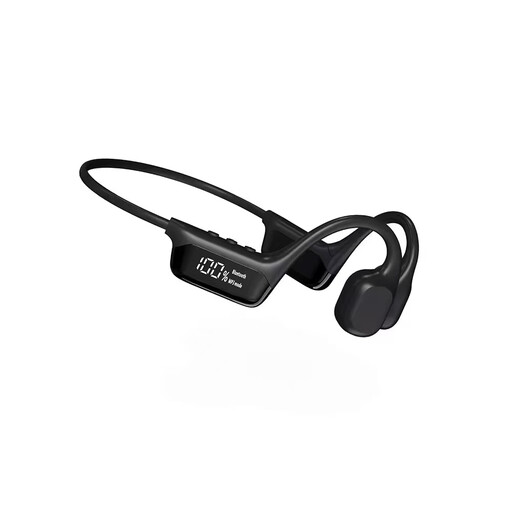
Why it suits this user: The open-ear bone conduction design is intended for sports such as running and cycling. The product description also mentions a swimming mode.
Unlike traditional in-ear earbuds, this design doesn’t sit in the ear canal. Before using it in water, check that you’ve selected the right mode and make sure the charging port is dry.
Bluetooth 5.3, an open-ear fit, ear hooks, multipoint connection and a stated weight of 80 grams.

Why it suits this user: According to the product information, this model works with Galaxy devices and features Auto Switch, Galaxy AI integration and settings through Galaxy Wearable.
The product specifications give separate play times with and without ANC and list an IP57 rating. However, the safety information states that this model isn’t intended for swimming.
Two-way speaker system, six microphones, Bluetooth 6.1, wireless charging and a 9-band equaliser according to the product specifications.
We’ve put together a full, up-to-date list of products that meet these strict selection criteria and comply with current European safety regulations.
That depends on the number and position of the microphones, as well as the noise reduction software. Check whether the product lists a built-in microphone and explicitly mentions a call feature. It’s still worth testing them in your own surroundings, as wind and heavy traffic can affect how clearly you’re heard.
Play time per charge varies by model and settings. The product’s overall lifespan also depends on its battery, charging cycles, temperature and everyday use. Keep the earbuds in their case, use a suitable USB-C charger and avoid prolonged exposure to heat or moisture. A higher IP rating won’t prevent battery wear.
Yes, active noise cancellation uses extra power. Play time is therefore usually shorter with ANC on than with it off. When comparing noise-cancelling earbuds, always check both figures and see whether transparency mode is available if you want to keep hearing the sounds around you.
