
Vandaag of morgen in huis

Kwaliteit gegarandeerd

Welkomstaanbiedingen ontgrendelen: GRATIS bezorging | Tot 80% korting | Gratis 30 dagen JoyPlus-proefperiode
Download de app
Wireless earbuds are handy for on the go, in the office, during exercise and for phone calls. However, just because a product lists lots of features on the box doesn't automatically mean you're paying for a better listening experience. For example, a long battery life might only apply when noise cancelling is switched off. Likewise, a Bluetooth version doesn't tell you much about wearing comfort or call quality.
So it's worth focusing on verifiable specifications and how you actually plan to use your earbuds. Below are the key points to consider, along with a few models suited to different use cases.
Manufacturers often quote the maximum playback time, but don't always clearly state the conditions under which it was measured. With true wireless earbuds, you also need to distinguish between:
So a model with a long battery life might perform differently in practice when you use active noise cancellation or make frequent calls. Also check whether the charging case works via USB-C and whether fast charging is supported.
Earbuds with ANC use microphones and electronics to reduce ambient noise. How well this works varies by model and environment. Low, constant sounds like a train engine may be handled differently from voices or sudden noises.
Also look out for a transparency mode. This lets ambient sound in when you're walking through a station, for example. Don't use noise cancelling in situations where you need to hear traffic or other warnings.
Even wireless earbuds with strong technical specs can disappoint if they don't stay put in your ears. A poor fit can lead to less passive noise isolation, inconsistent bass response and discomfort during longer listening sessions.
So check the included ear tip sizes, stability wings or ergonomic design. For sport, a suitable IP rating and a secure fit matter more than just having lots of audio modes.
Bluetooth 5.3 or Bluetooth 5.4 can contribute to a modern connection, but on their own they don't tell you how stable each device will be in your environment. Check whether the model works with iOS and Android, and whether the features you want are available in both ecosystems.
Multipoint means you can connect two devices at the same time, for example a laptop and a smartphone. That's practical for work and calls. Some models also offer Google Fast Pair, Microsoft Swift Pair or a brand-specific app for equaliser and firmware settings.
With noise-cancelling earbuds, it's worth knowing how many modes are available and how you control them. A transparency mode, adjustable ANC levels and a physical button or touch controls can make daily use easier.
For calls, multiple microphones and good placement are important. Descriptions like "noise reduction for calls" are product claims from the brand. So judge them alongside the concrete specifications, such as the number of microphones and the available call features, rather than taking them as a guaranteed result.
An IP rating consists of numbers or letters with a specific meaning. For example, IPX4 means protection against splashes, while IPX5 indicates protection against water jets. This doesn't make a product suitable for swimming.
For daily use and light exercise, sport earbuds with IPX4 or IPX5 can be suitable. For intensive outdoor use, it's also wise to check whether the charging case is water-resistant. That isn't always the same rating as the earbuds themselves.
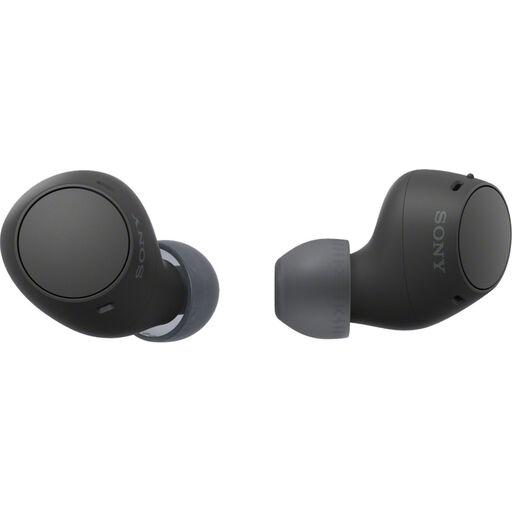
Why this fits the profile: This model is designed for everyday use and works with Android and iOS. The compact in-ear shape and weight of 4.6g per earbud suit users who want to get started without lots of settings.
The stated total battery life of 22 hours includes the case. The IPX4 rating makes it clear this is splash protection, not for submersion.
Bluetooth 5.3, multipoint connection, USB-C charging, built-in microphone and Ambient Sound mode.
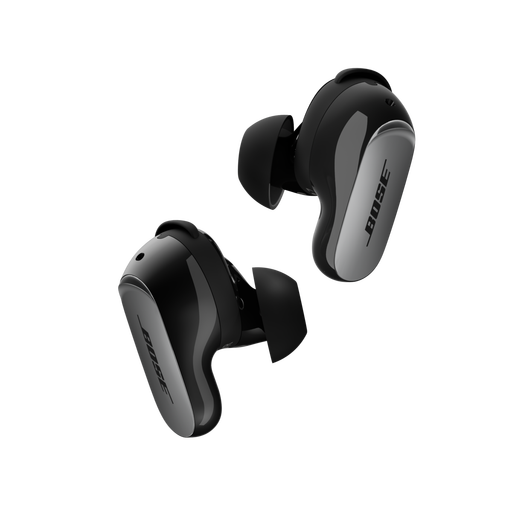
Why this fits the profile: Ideal for users who combine travel, work and music listening, and who value adjustable sound modes.
Alongside active noise cancellation, there's an Aware mode to let ambient sound in. The IPX4 rating provides a clear limit for use with splashes.
Bluetooth 5.3, multipoint, CustomTune, touch controls, USB-C and wireless charging, and up to 6 hours of playback per charge.
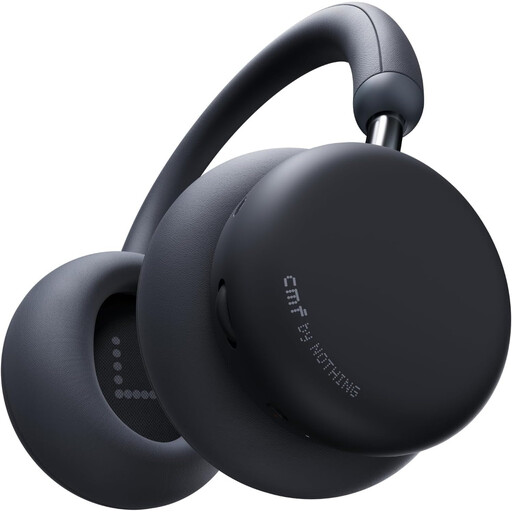
Why this fits the profile: These wireless headphones are ideal for long workdays, travel and listening at home, where an over-ear design and generous battery capacity are desirable.
The battery figures are split: up to 100 hours without ANC and up to 48 hours with ANC. This makes it easier to compare against your intended use.
40mm dynamic drivers, hybrid ANC, LDAC, dual-device connection, replaceable ear cushions and 5 minutes of fast charging for up to 8 hours of listening.
We've put together a full, up-to-date list of products that fully meet these strict selection criteria and comply with current European safety regulations.
Turn on Bluetooth on your smartphone, open the charging case and activate the pairing button if needed. Select the name of the earbuds in the Bluetooth settings. With models that support Fast Pair, a connection prompt may appear automatically.
The battery life per charge varies by model and features. ANC, volume, codec and phone calls all affect battery life. The built-in battery isn't always easy to replace. So store your earbuds in the case, avoid heat and charge them with a suitable USB-C cable.
That depends on the fit and the IP rating. IPX4 or higher can offer protection against sweat and splashes, but always check the exact product information. When exercising outdoors, choose a transparency mode or switch off ANC if you need to stay aware of your surroundings.
