
Vandaag of morgen in huis

Kwaliteit gegarandeerd

Welkomstaanbiedingen ontgrendelen: GRATIS bezorging | Tot 80% korting | Gratis 30 dagen JoyPlus-proefperiode
Download de app
Wireless earbuds often look much the same, but the differences become clear once you use them every day. A short battery life, an uncomfortable fit or a microphone that picks up background noise can quickly make a purchase less appealing. So if you’re looking for Bluetooth earbuds, true wireless earbuds or in-ear headphones, it’s worth looking beyond the price and number of features.
The stated battery life usually applies to a specific situation, such as a particular volume level with noise cancelling switched off. Check whether the stated figure applies to a single charge or to the earbuds and charging case combined.
For example, a model might offer 40 or 55 hours of total playback, while the earbuds themselves last considerably fewer hours. For your commute, playback time per charge is particularly important. A quick-charge feature is also handy if you often forget to charge them.
Earbuds with noise cancelling reduce background noise, but they won’t block out every sound completely. How well they work depends on the fit, the type of noise and the software used. Low, constant sounds, such as train engines, are generally easier to reduce than voices or sudden noises.
Treat a brand’s claims about a particular number of decibels or percentage of noise reduction as manufacturer claims. The result may have been measured under specific conditions, according to the manufacturer’s own tests. Also check whether there’s a transparency mode, so you can still hear what’s going on around you in traffic or at work.
An IP rating doesn’t automatically apply to both the earbuds and the charging case. IPX4 is designed to protect against splashes and sweat, while IP55 indicates protection against dust and water jets. IP57 offers greater protection according to its stated rating, but that doesn’t mean you can submerge the earbuds without restriction.
Always check which part has the rating. Some models protect only the earbuds, so the case needs to be kept dry.
Bluetooth 5.3, 5.4 or 6.0 doesn’t, on its own, tell you how well the connection will work in your home. Also look for multipoint or dual-device connectivity, especially if you switch between a smartphone and a laptop. For the office and online meetings, a stable connection, low latency and a good microphone matter more than the version number alone.
With wireless earbuds that have a microphone, call quality isn’t determined by the number of microphones alone. Noise-reduction software, microphone placement and fit all play a part too. A model with four or six microphones might look appealing on paper, but results can vary depending on your surroundings.
If you often take calls at a station, in an open-plan office or outdoors, look for ENC or AI noise reduction. Treat phrases such as ‘clear calls’ as product descriptions from the brand, not as a guaranteed result in every situation.
In-ear earbuds partially seal the ear canal and often stay in place thanks to silicone tips in different sizes. Open-ear or clip-on models let in more background noise and may be more comfortable if you’d rather not have a sealed fit.
For sport, weight, grip and sweat resistance are important. A light weight doesn’t automatically mean there’ll be no pressure; the shape of the housing also affects how comfortable they are to wear for longer periods.
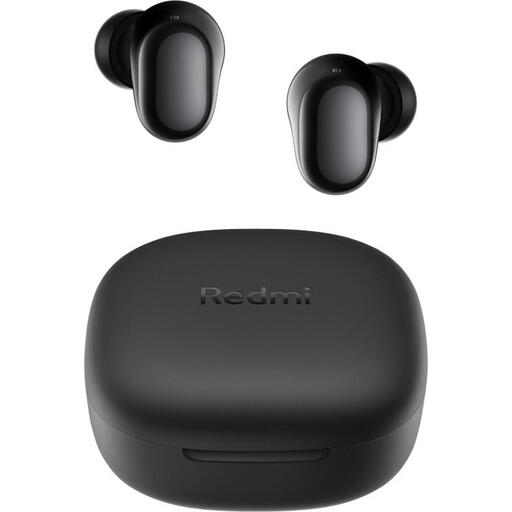
Why it suits this type of user: These lightweight earbuds are designed for everyday use, including listening to music, travelling and making calls. Bluetooth 5.4 and a USB-C connection are a good fit for modern smartphones and laptops.
The product information lists battery life per charge separately from battery life with the case. It also clearly states that IPX4 applies to the earbuds only.
3.6 grams per earbud, 7.5 hours of playback per charge, 36 hours with the case and SBC support.

Why it suits this type of user: This model combines ANC, a two-way speaker system, an adjustable equaliser and features for people who already use several Galaxy devices.
The specifications list separate battery life figures with ANC switched on and off, as well as an IP57 rating for the earbuds. The case isn’t designed for swimming.
Bluetooth 6.1, six microphones, wireless charging, 6 to 7 hours of playback per charge and 26 to 30 hours with the case.
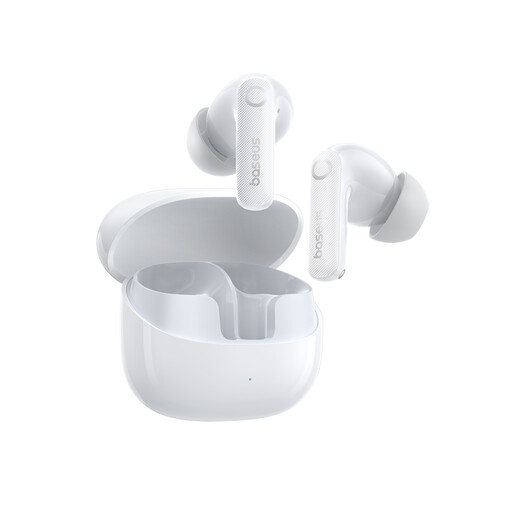
Why it suits this type of user: Adaptive ANC, six microphones, IP55 and a stated listening time of 11 hours per charge make this a good fit for long working days, travel and frequent calls.
The product information explains both the limitations of the IP55 rating and the conditions under which battery life was measured. Baseus states that adaptive ANC is included with this model.
Bluetooth 5.4, SBC, AAC and LDAC support, USB-C, a stated range of 10 metres and a charging time of around 1.5 hours.
We’ve put together a complete, up-to-date list of products that meet these strict selection criteria and the applicable European safety requirements.
Charge the earbuds and case first. Then open your phone’s Bluetooth settings, put the earbuds into pairing mode and select the product name. If they won’t connect, remove any previous pairing and follow the instructions in the manual. On models with an app, you can adjust the equaliser, ANC and touch controls there.
Their lifespan depends on battery use, charging cycles, storage and maintenance. Keep the earbuds in the case, don’t charge them in a damp environment and don’t leave the case in extreme heat or cold for long periods. Clean the earbuds with a soft, dry cloth and keep the charging contacts free of dirt.
Yes. ANC uses extra electronics and reduces playback time per charge on many models. So always compare the stated battery life with ANC switched on and off. If you mainly use the feature on the train or when flying, the difference may matter more than a higher total battery life with the case.
