
Vandaag of morgen in huis

Kwaliteit gegarandeerd

Welkomstaanbiedingen ontgrendelen: GRATIS bezorging | Tot 80% korting | Gratis 30 dagen JoyPlus-proefperiode
Download de app
Wireless earbuds are handy for listening to music and podcasts, making calls, travelling and working out. But a long list of features doesn’t automatically mean a model is right for you. A high Bluetooth version, a huge battery life claim or a label such as “noise cancelling” may matter less in practice than fit, compatibility and protection against moisture.
Look out for these three common pitfalls:
Wireless in-ear headphones partially seal the ear canal and generally offer more sound isolation than open earbuds. Check whether the box includes several sizes of ear tips. This can help with comfort and a secure fit when walking or travelling.
For running, an open-ear model may be more practical. Your ears remain more open, so you can still hear the sounds around you. Bone-conduction headphones work differently from regular in-ear earbuds. Always check the manufacturer’s official information on moisture protection and safety before using them for swimming.
When choosing earbuds with noise cancellation, it’s worth checking the type of noise cancellation. Hybrid ANC uses microphones on both the inside and outside of the earbuds. According to the product information, adaptive ANC adjusts how it works to suit your surroundings. Brand claims such as “up to 50 dB” are specifications from the product information, not a guarantee that every sound will disappear completely.
For calls, the number and position of the microphones, along with any voice processing software, are relevant. A model with a microphone won’t necessarily make you equally easy to hear on every busy street. And don’t use ANC as a substitute for paying attention to traffic.
Compare the battery life of the earbuds themselves with that of the charging case. “Up to 55 hours”, for example, may refer to the total time including the case, with the earbuds needing to be recharged in between.
An IP55, IP57 or IP68 rating indicates the conditions a product has been tested against under the relevant standard. The figures relate to dust and water, but a splash-resistance rating doesn’t mean a model is suitable for submersion. Always check the manufacturer’s specific warnings.
For iPhone earbuds, features such as quick pairing, automatic switching and spatial audio often depend on Apple devices and software. Samsung earbuds may offer extra features within the Galaxy ecosystem. Bluetooth earbuds generally work with multiple devices, but not every feature is available in the same way on iOS and Android.
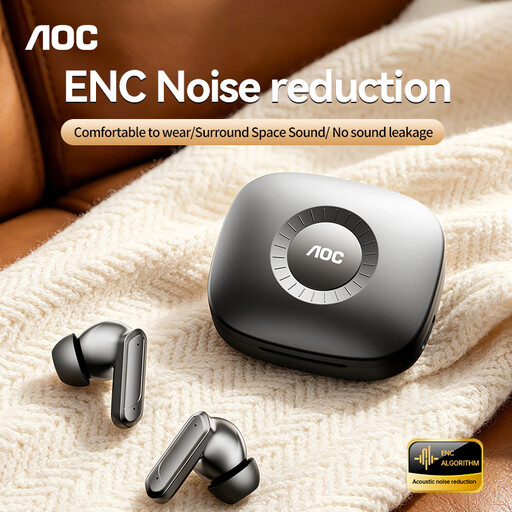
Why it suits this user: This model is designed for everyday listening, calls and straightforward controls. The product information lists Bluetooth 5.4, ENC for calls, touch controls and USB-C charging.
The specifications distinguish between ENC for calls and ANC. That way, you know what to expect when making calls without confusing the two features.
Bluetooth 5.4, USB-C and touch controls; a good fit for anyone looking for a straightforward True Wireless solution.
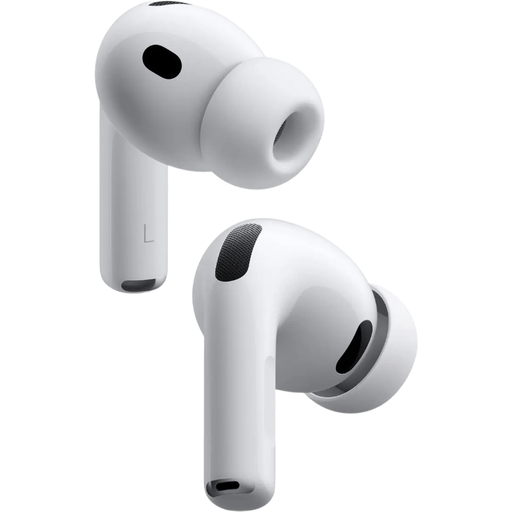
Why it suits this user: This model is a good fit for Apple users who value ANC, spatial audio, a microphone and integration with multiple Apple devices.
Five sizes of silicone ear tips are listed. This gives you more ways to adjust the fit, rather than focusing only on ANC figures.
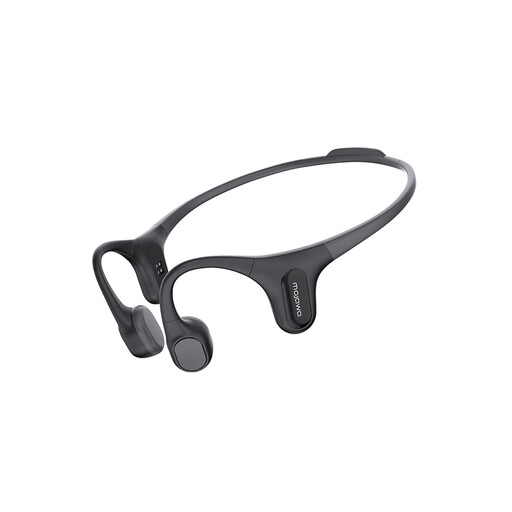
Why it suits this user: The open-ear design is intended for running, fitness and everyday use when it’s important to stay aware of the sounds around you.
You don’t need to rely on a perfect in-ear seal. However, check the latest manual and warnings before using this model for water-based activities.
Open-ear design, Bluetooth and, according to the product name, 32 GB of storage for use without a smartphone.
We’ve put together a complete, up-to-date list of products that meet these strict selection criteria and the applicable European safety regulations.
First, charge the earbuds and case. Then open the Bluetooth settings on your iPhone, Samsung phone or other Android device. Put the earbuds into pairing mode and select the product name. Some models connect for the first time through an app, such as a manufacturer’s app for settings and firmware updates.
Battery life per charge varies by model and settings. ANC, volume, phone calls and temperature all affect battery life. The built-in battery’s capacity generally decreases after many charging cycles. Store your earbuds in the case, avoid extreme heat and use a suitable charger.
It depends on the IP rating, fit and type of activity. A model with an IP55 rating is designed to withstand dust and splashes under the conditions specified by the standard, but that doesn’t automatically make it suitable for swimming. When cycling or running, you also need to be able to hear enough of the sounds around you. An open-ear model or transparency mode may be more practical than full noise cancellation.
