
Vandaag of morgen in huis

Kwaliteit gegarandeerd

Welkomstaanbiedingen ontgrendelen: GRATIS bezorging | Tot 80% korting | Gratis 30 dagen JoyPlus-proefperiode
Download de app
Wireless earbuds may look similar, but they can differ significantly in fit, battery life, microphone quality and water resistance. A low price can be tempting, but a poor connection, quickly drained battery or uncomfortable fit may mean you hardly use them.
Pay particular attention to these three common pitfalls:
With in-ear earbuds, the right silicone tips provide a better seal. This can improve bass response, passive noise isolation and stability. Check whether several sizes of ear tips are included. According to the product description, the Apple AirPods Pro 3 come with five sizes of silicone ear tips. This gives you more options for adjusting the fit.
An open-ear or clip-on design seals the ear canal less completely. This can be comfortable during a walk or at the office, but you will hear your surroundings more clearly. For intensive movement, ear hooks or a clip can provide extra grip.
Most Bluetooth earbuds work with Android and Apple devices, but additional features may vary between operating systems. These can include an app, spatial audio, automatic device switching or firmware updates.
Check the following before buying:
A Bluetooth version with a higher number does not automatically mean better sound quality. The codec, antenna, software and distance from the device also play a part.
When comparing wireless earbuds with a microphone, compare talk time with music playback time. A manufacturer may, for example, specify a maximum playback time under particular conditions. Volume, noise cancelling and use of the charging case affect real-world performance.
For travelling or long working days, earbuds with long battery life are useful. For sports, an IP rating is more important than a large number of hours. IPX4 means protection against splashing water; IPX5 provides protection against water jets under defined test conditions. Neither rating makes a product suitable for submersion.
If you mainly make calls, pay attention to the number of microphones and how noise reduction is described. Claims such as “clear calls” come from the brand’s product communication. Treat them as a product specification or expectation, rather than a guaranteed result in every street, train or meeting room.
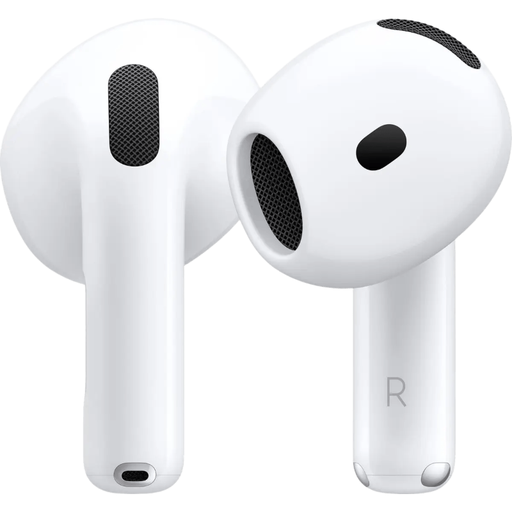
Why it suits this profile: An easy choice for everyday listening, particularly for Apple users who want a compact case and USB-C charging.
The specifications do not mention active noise cancelling. This means you are not paying for a feature you may not need.
USB-C charging case, Bluetooth 5.3, microphone, transparency mode and, according to the product specifications, more than 30 hours of total battery life.

Why it suits this profile: Designed for Samsung users who value active noise cancelling, adjustable sound and features within the Galaxy ecosystem.
The product information specifies separate playback times with ANC switched on and off. This makes it easier to compare the battery claim with your own usage.
2-way speakers, six microphones, Bluetooth 6.1, IP57 rating, USB-C and wireless charging according to the product specifications.
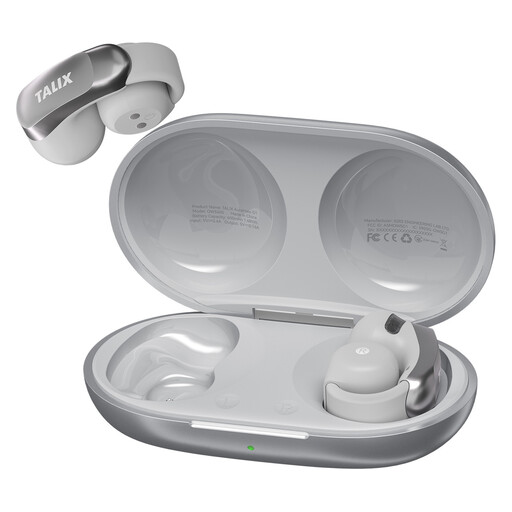
Why it suits this profile: A practical option for sport, commuting and long working days when you want a secure, lightweight fit.
The clip-on fit and silicone ear hook are designed for stability. According to the product specifications, IPX4 protects against sweat and light rain, but not against submersion.
Bluetooth 5.3, four microphones, up to 7 hours per charge and up to 28 hours with the case according to the manufacturer.
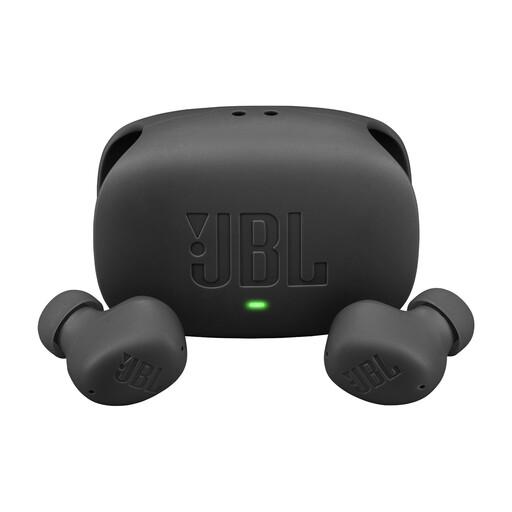
Why it suits this profile: Convenient for everyday use with a phone and laptop, thanks to multipoint and a case with additional charging capacity.
The product information states the total playback time separately with ANC switched on and off. The IP54 rating also makes it clear that this means protection against dust and splashing water.
Active noise cancelling, multipoint, USB-C, IP54 and, according to JBL, up to 40 hours of total playback time without ANC.
We have put together a complete, up-to-date list of products that fully meet these strict selection criteria and the applicable European safety regulations.
Not every listener needs Bluetooth. The Samsung EO-IC100 is a wired USB-C model with an integrated DAC, in-line controls and a microphone. According to the product description, several sizes of ear tips are included and the design is intended for long-term use. This type avoids charging and pairing problems, but only works with devices that support USB-C audio. Check whether your smartphone, tablet or laptop accepts analogue or digital USB-C audio.
For gamers, a low-latency model may be important. Bluetooth does not always provide a direct connection. Check whether a product uses a dedicated dongle, PlayStation Link or another connection when precise audio and video timing matters.
Open the charging case, activate Bluetooth on your phone and select the earbuds’ name from the list. An app may be required the first time you connect. If pairing does not work, place the earbuds back in the case and check that they have sufficient charge. You may also need to remove an old Bluetooth connection from your phone.
Battery life usually decreases as the number of charging cycles increases. Store the earbuds in the case, avoid high temperatures and charge them with a suitable USB-C cable. Exact service life varies by model and usage. Replaceable batteries are not common in true wireless earbuds, so battery wear can eventually become a practical limitation.
ANC mainly targets background noise for the listener. The quality of your voice during a call depends primarily on the microphones, wind filtering, software and connection. So, as well as “noise cancelling”, look at the number of microphones and the stated call features. If possible, test the fit and call quality within the seller’s returns policy.
