
Vandaag of morgen in huis

Kwaliteit gegarandeerd

Welkomstaanbiedingen ontgrendelen: GRATIS bezorging | Tot 80% korting | Gratis 30 dagen JoyPlus-proefperiode
Download de app
The market for wireless earbuds is enormous. Everywhere you see promises of "crystal-clear sound" and "all-day battery life." But how often have you bought earbuds that end up in a drawer after just a few months? This is often due to clever marketing that hides significant drawbacks.
As a Product Recommendation Officer at Joybuy, I filter out the noise and help you make an informed choice. Let's expose the three most common pitfalls so your money isn't wasted on a disappointment.
Pitfall 1: The Myth of "All-Day Battery" Manufacturers often advertise a total playtime of 24 hours or more. This is the combined time of the earbuds and the charging case. What really matters is the battery life per charge. If your earbuds die after just 3 hours, a large battery in the case is of little use, especially if you have a long commute or use them for work.
Pitfall 2: Vague Claims About Water Resistance "Sweat and water-resistant" sounds good, but without an official IP rating, it means very little. A rain shower or an intense workout session can be the end for earbuds without the proper certification. Furthermore, the charging case is almost never water-resistant.
Pitfall 3: The Difference Between "Noise Cancelling" and True Silence Many earbuds claim to have noise reduction, but it's often just passive isolation: dampening sound by sealing your ear canal. This is not the same as Active Noise Cancelling (ANC), a technology that uses microphones to actively filter out ambient sound. For those seeking peace on the train or in a busy office, this difference is crucial.
To choose the right Bluetooth earbuds, focus on the specifications that matter in practice. Don't be distracted by marketing terms.
Always look at the listening time on a single charge. For most users, a duration of 5-6 hours is sufficient for daily use. Have a long commute or use them for work? Then aim for 7 hours or more. The total time with the charging case is a bonus, not the main feature.
For sports earbuds or for use in unpredictable weather, an IPX4 rating is the minimum. This means the earbuds are splash-proof and can withstand sweat and light rain. Anything below IPX4 offers insufficient protection for active use. Remember that the charging case is usually not water-resistant, so always dry the earbuds before placing them back.
Determine where you will use the in-ear headphones most often.
Based on these objective criteria, we have selected several popular choices that suit different users.
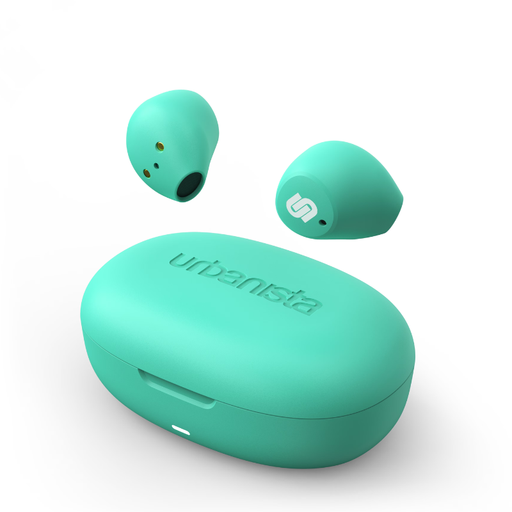
Why This Fits Their Persona: Perfect for those looking for a reliable, stylish, and affordable set for daily use. Their compact size makes them ideal to take anywhere, from the supermarket to a walk in the park.
The specifications are clear: up to 9 hours of playtime per charge. This is an honest and practical value, rather than a misleading total figure.
Extremely lightweight (only 4 grams per earbud) and a comfortable fit. The total listening time of 27 hours with the case is a solid bonus.
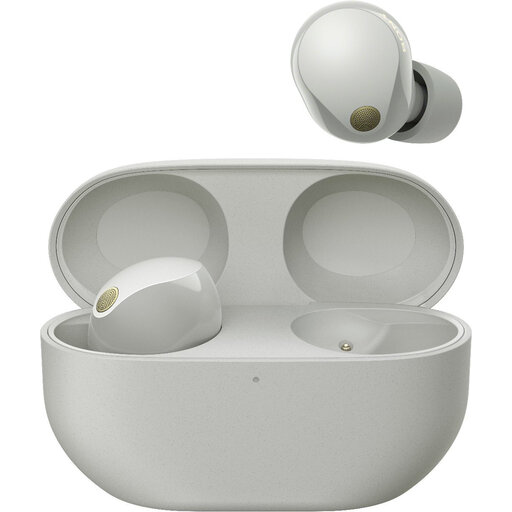
Why This Fits Their Persona: For those who spend their days on a noisy train or in a busy office and need peace and focus. These Sony earbuds are designed for superior sound quality and for silencing the outside world.
This model offers advanced Active Noise Cancelling. According to Sony, the technology adapts to the environment in real-time, which is a clear distinction from simple passive isolation.
Support for Hi-Res Audio and a Multipoint connection to seamlessly switch between your laptop and phone. The IPX4 rating also makes them suitable for a walk in the rain.
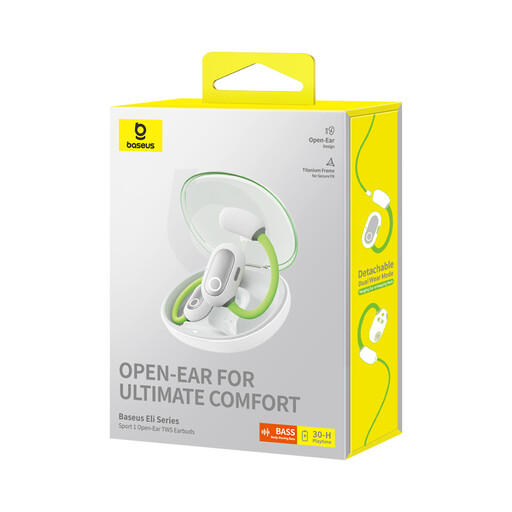
Why This Fits Their Persona: Specifically designed for athletes. The open-ear design allows you to hear ambient sound, which is essential for safety while running or cycling in traffic.
These earbuds don't make vague promises about water resistance. The focus is on a functional and safe design for sports, with a flexible fit that stays secure during movement.
The combination of an open-ear design for safety and a large 16.2mm driver for powerful sound. The battery life of 7-8 hours per charge is more than enough for long training sessions.
We have compiled a complete, up-to-date list of products that fully meet these strict selection criteria and relevant safety regulations.
The lifespan of true wireless earbuds primarily depends on the battery. Just like with a smartphone, the capacity of the small lithium-ion batteries diminishes over time. With daily use, you can expect the battery life to become noticeably shorter after 2 to 3 years. The earbuds themselves may function longer, but declining battery performance is often the reason for replacement.
Yes, virtually all modern wireless earbuds have a built-in microphone. However, the quality of these earbuds with a microphone varies greatly. Basic models are fine for a short call in a quiet environment. Higher-end models often use multiple microphones and AI algorithms (like ENC - Environmental Noise Cancellation) to suppress background noise, making your voice sound much clearer to the person on the other end, even in a windy or noisy setting.
The term Bluetooth earbuds is a broad category for all earbuds that connect via Bluetooth. This also includes models where the two earpieces are connected by a neckband wire. True wireless earbuds are a specific type of Bluetooth earbuds where there are no wires at all, not even between the left and right earbud. Each earbud connects independently to your device, providing maximum freedom of movement.
