
Vandaag of morgen in huis

Kwaliteit gegarandeerd

Welkomstaanbiedingen ontgrendelen: GRATIS bezorging | Tot 80% korting | Gratis 30 dagen JoyPlus-proefperiode
Download de app
Wireless earbuds are handy for listening to music, taking calls, travelling and working out. However, it can be difficult to compare deals properly. A low price tells you little about comfort, microphones or the quality of the charging case. Terms such as “noise cancellation” and “long battery life” can also mean different things.
As a Joybuy Product Recommendation Officer, I filter out the most important product specifications so you can separate marketing claims from verifiable information.
Noise-cancelling earbuds may use active noise cancellation (ANC), or they may rely on passive sound isolation from the earbuds themselves. ENC usually refers to microphone technology for calls. It is not the same as ANC for listening to music.
So check:
According to MINISO’s own information, the MS106 offers adaptive noise cancellation of up to -50 dB. This is a brand claim; performance in practice depends on factors such as fit, the type of sound and the device you use.
A figure such as 30, 40 or 55 hours may refer to total listening time, including the charging case. Listening time for a single charge of the earbuds is usually considerably shorter. Volume, codec, phone calls and ANC all affect actual battery life.
Look out for the difference between:
An IPX4, IPX5 or IP54 rating indicates a certain level of protection against splashes, sweat or dust. It does not automatically mean you can submerge the earbuds or wear them in the shower. What’s more, the case is often less well protected than the earbuds.
For running and everyday cycling, water-resistant earbuds with a suitable IP rating are more practical. Always dry the earbuds and charging contacts before connecting the case.
True wireless earbuds, TWS earbuds and wireless in-ear earbuds usually refer to a pair with no cable connecting the two earbuds. Bluetooth 5.3 or 5.4 can provide an efficient connection, but on its own, it says nothing about sound quality or range in every environment.
Before buying, check:
A good fit affects comfort, sound isolation and bass. Check which ear tip sizes are included. Extra silicone tips are useful, but ear shapes vary from person to person.
Lightweight models with a secure fit are suitable for exercise. A neckband model could be a good option if you’re worried about losing your earbuds. If you travel often, you might prefer a model with ANC and a transparency mode.
For earbuds with a microphone, the number of microphones is a verifiable specification, but it doesn’t tell you everything about call quality. Wind, traffic and microphone placement also play a part. Look for terms such as ENC or call noise reduction, but treat brand claims as information from the manufacturer, not as guaranteed results.
A USB-C case is practical because the same cable is often used for a phone, tablet or laptop too. A power adapter is not always included.
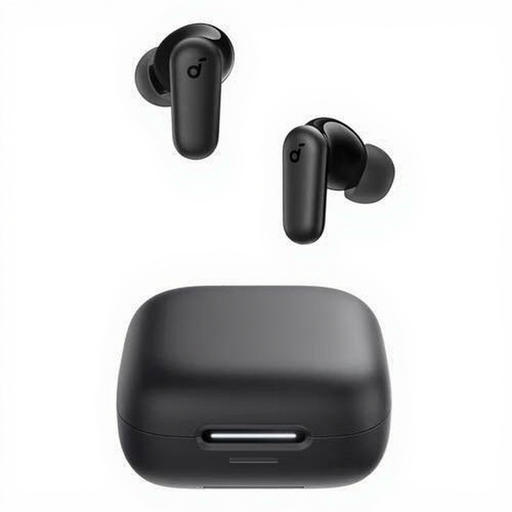
Why it suits this profile: This model combines Bluetooth 5.4, USB-C, touch controls and a charging case for everyday use without complicated controls.
The specifications list IP54, four microphones and up to 10 hours of playback per charge separately. This makes it easier to compare features without relying solely on a total battery-life claim.
Bluetooth 5.4, USB-C, four microphones and up to 10 hours of continuous playback, according to the product description.
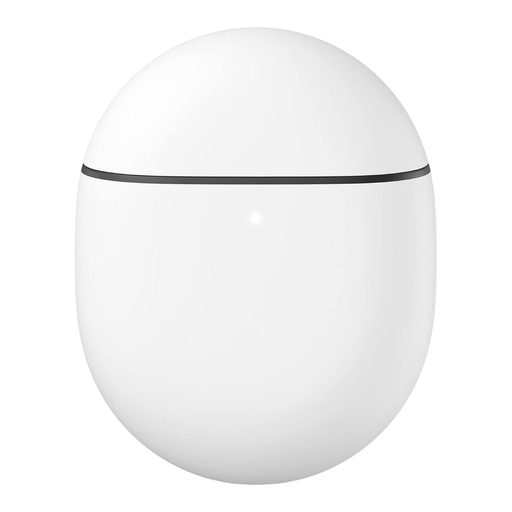
Why it suits this profile: The Pixel Buds Pro offers active noise cancellation, a transparency mode, multipoint and wireless charging for everyday use and travel.
The stated battery details, IPX4 rating and features are described separately. This makes it clear that splash resistance is not the same as being fully waterproof.
Active noise cancellation, an 11mm speaker, a five-band equaliser, multipoint and wireless charging, according to the product specifications.
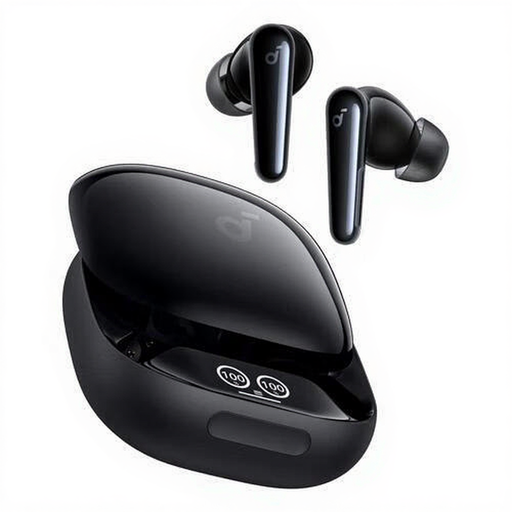
Why it suits this profile: This TWS model is designed for calls, music, sport and everyday use, and comes with extra ear tips so you can adjust the fit.
The IPX5 rating is not presented as meaning the earbuds are fully waterproof. The stated 10 hours of playback refers to continuous use of the built-in battery.
Dynamic drivers, six built-in microphones, touch controls, a USB-C case and up to 10 hours of continuous playback, according to the product information.
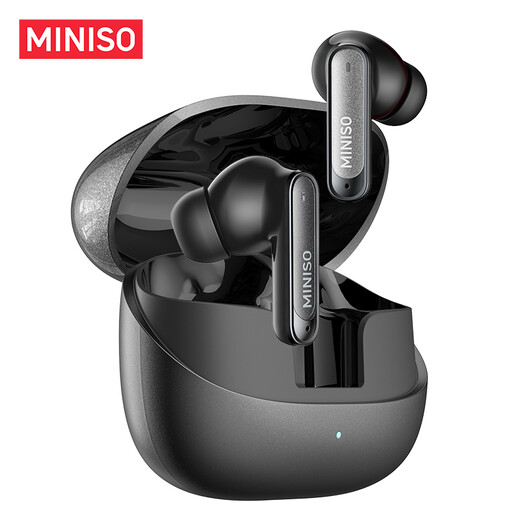
Why it suits this profile: The stated total battery life of 55 hours and IPX5 rating will appeal to people who are often on the go or exercise regularly.
Total battery life is clearly distinguished from the quick-charge feature. The noise-cancellation claims come from MINISO’s product description.
10mm dynamic driver, six microphones, USB-C quick charging and a stated total battery life of 55 hours.
We’ve put together a complete, up-to-date list of products that meet these strict selection criteria and the applicable European safety regulations.
Open the charging case, switch on Bluetooth on your phone and select the name of the earbuds. You may need to press and hold a button on the case when pairing them for the first time. If both earbuds don’t connect at the same time, check the manual. You could also remove the old Bluetooth pairing and try again.
Battery capacity decreases over time. Battery life depends on volume, calls, codec and whether you use ANC. Keep the earbuds in their case, avoid extreme heat and don’t charge them in a damp environment. Many true wireless earbuds aren’t available with a replaceable battery, so check the warranty and product terms before buying.
They can be, as long as the fit is secure and the IP rating is suitable for sweat and light rain. IPX4 is intended to provide limited splash protection; according to the rating, IPX5 offers greater protection against water jets. Neither rating means the case or earbuds are suitable for immersion. Switch off ANC when you need to hear traffic or other warning signals clearly.
